
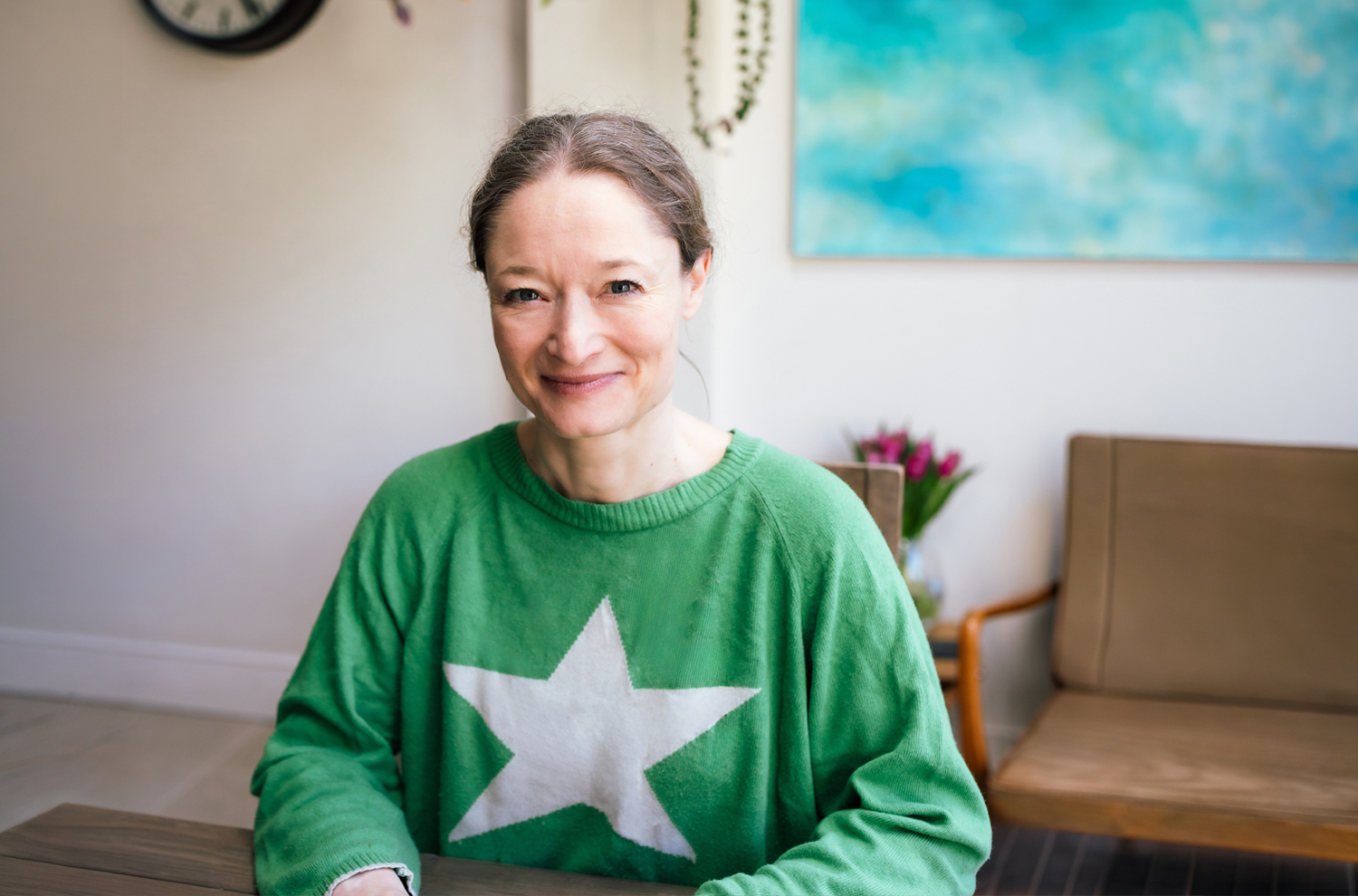
Sam Chetwood is the founder of CeCe & Me, a mobile children’s shoe fitting service transforming the way parents shop for their little ones’ feet.
Her journey began not in business but in frustration, as a mum who struggled to feel confident about buying shoes for her toddlers and couldn’t find a service that truly put foot health first. Determined to make the process easier and less stressful for other parents, she launched CeCe & Me to take the guesswork out of children’s shoe shopping while educating families on the vital role that properly fitted shoes play in early childhood development.
What began as a personal mission has grown into a franchise network, supporting other mothers to build flexible, rewarding businesses around family life. Sam has developed a comprehensive CPD-accredited training programme to equip franchisees with the knowledge and skills to deliver an expert fitting service in their local communities.
In this episode, we explore the story behind CeCe & Me, the surprising science of children’s foot health and what it really takes to build a franchise from scratch. It is a conversation about solving a problem you know intimately, the power of education in business and why the shoes on your child’s feet matter far more than most of us realise.
Conversation Highlights:
- How Sam’s experience as a frustrated mum navigating busy chain shoe stores became the catalyst for building an entirely new kind of children’s shoe fitting service
- The challenges of getting children’s shoes right and why the standard high street experience so often leaves parents feeling uncertain and overwhelmed
- How the CeCe & Me mobile model works and why bringing the fitting service directly to families changes the experience for both parents and children entirely
- The importance of building genuine relationships with families over time and why that continuity of care sets CeCe & Me apart from a transactional shoe shop visit
- The journey into franchising, how Sam developed her CPD-accredited training programme and what she looks for in the mothers who join the network
- The science behind shoe fitting and why getting it right in early childhood has significant implications for long term physical and neurological development
- How feet act as sensory organs and the surprising role they play in a child’s wider health and wellbeing beyond simply keeping the rain out
- The tension between fashion and function in children’s footwear and the practical guidance Sam gives parents who are trying to navigate both
- Why creating positive, memorable experiences around shoe fitting in childhood can shape a child’s relationship with their own foot health for life
- The vision for CeCe & Me and where Sam hopes to take the business and its mission next
Listen If You’re:
A parent who has ever felt stressed, uncertain or under-informed in a children’s shoe shop
Curious about what properly fitted shoes actually mean for your child’s development and long term health
Interested in the franchise model as a route into flexible, purposeful business ownership
A mum looking for a business opportunity that combines genuine expertise with a meaningful mission
Building a product or service business rooted in solving a problem you have experienced personally
Ready to look at something as everyday as children’s shoes in a completely new light
Favourite Quote for Mums in Business:
“Shoes aren’t just a necessity of life there to keep the rain off. They have a vital role to play in our wider physical and neurological health and wellbeing.” – Sam Chetwood
About the Guest:
Sam Chetwood is the founder of CeCe & Me, a mobile children’s shoe fitting service and growing franchise network dedicated to promoting long term foot health in children. Having identified a genuine gap in the market as a frustrated mum, she built a business that combines expert fitting, parent education and a warm, unhurried experience that puts families first. Her CPD-accredited training programme supports franchisees across the country to deliver that same standard of care in their own communities. Sam is a mother whose mission is to change the way we think about children’s shoes, one fitting at a time.
You can connect with Sam Chetwood via Instagram, Linkedin or the CeCe & Me website.
About The Host:
I’m Victoria Phipps – a Mum of two, analogue family photographer, charity co-founder, marketing person and now podcaster! My career has wandered all over the place and is becoming a bit of a complex tapestry as I head into this middle phase of life, but I can honestly say I’ve loved every minute of it so far.
I was raised by a nurturing Mother and an entrepreneurial Father and have inherited traits from both, so the tension between ambition and motherhood is one I grapple with on a daily basis! I’m fascinated to hear the stories of other women on a similar path, who are striving to build thriving businesses whilst being present for their children. It’s a tough juggle, but I hope the conversations shared on this podcast help Mums in business feel less alone and inspired to keep going in pursuit of their dreams!
If You Enjoyed This Episode:
Please subscribe, rate and review the podcast – it helps other mums find us!
Share in your Instagram stories, tag @mummeansbusinesspodcast and let us know your biggest takeaway.
Share this episode with a fellow Mum in business who you feel would resonate with Sam’s story.
Episode Transcript:
Hello and welcome to the Mum Means Business podcast, where we shine a light on inspiring women who have one thing in common. When they’re not managing tantrums, homework, P.E. kits and play dates, they are busting their gut to create something from nothing, to turn their passion into a thriving business and build a better life for themselves and their families. We dig into what motivates devoted mothers to pursue entrepreneurship and how they integrate their work and family life.
I’m Victoria Phipps, your host, and if you’re an ambitious mum in need of some solidarity whilst navigating the messy middle of making your big dream a reality, then stick around. This is for you.
NOTE: This is the transcript from the original recording, rather than the edited episode so timings may vary.
Victoria (00:02)
My guest today is the founder of a mobile children’s shoe fitting service that’s transforming the way parents shop for their children’s shoes. Her journey began as a frustrated mom who was struggling to feel confident about buying shoes for her toddlers. Determined to make the process easier for other parents, Sam Chetwood launched CC and Me to take the stress and guesswork out of shoe shopping for little ones with a focus on promoting long-term foot health.
What started as a personal mission has evolved into a growing franchise network, supporting other moms to build flexible businesses around their family life. Sam has developed a comprehensive CPD accredited training program to equip franchisees with the knowledge and skills to provide an expert fitting service to families in their local community and help educate parents on the vital role of properly fitted shoes in early childhood development. As a mom who makes
A mad dash, I’ve written a maid dash. Let me write that again. As a mum who makes a mad dash to Clark’s every time I notice that my children’s toes are trying to burst out in front of their shoes, I need this conversation. So Sam, a very warm welcome to the Mum Means Business podcast.
Sam Chetwood, CeCe & Me (01:18)
Thank you for having me. I’m excited to have this conversation with you.
Victoria (01:22)
I am so interested because I feel that this is an area in which I am failing as a parent. And I would like to absorb all of your expertise and knowledge so that I can do better. But first, let’s go back in your story. So tell me about the challenges that you feel you were facing when your children were toddlers and they were going into their first shoes. What did you feel?
was not being provided by the mainstream shoe shops. As I just mentioned, Clark’s other shoe shops are available. And what made you think that you could fix this and provide an alternative?
Sam Chetwood, CeCe & Me (02:08)
Okay, gosh, a lot to process there. I think the thing for me was, the key thing was I didn’t feel confident that the shoe fitters were able to give me good advice. And I had gone to a shoe shop expecting to meet an expert and to walk away feeling really confident that I’d done the right thing for my children’s feet. And
You know, just getting kids to a shoe shop is a massive hassle. So, you know, you go through this stress, getting them into the car, getting them to the shop, having to wait. You know, they don’t want to be there. They’re to pull all the shoes off the shelf or, you know, starting to cry, throwing a tantrum. You get to the front of the queue. They then don’t want to cooperate and have their feet measured. You know, everyone’s wound up. You’re aware other people are waiting and just say, I just want to get out of here. So, you know, much as I wanted to kind of
Victoria (02:49)
Yep.
Mm-hmm.
Sam Chetwood, CeCe & Me (03:07)
feel confident those shoes were right. The shoe fitter said, yeah, these are the right pair. didn’t even, the first, my daughter’s first pair I didn’t even like, but you know, it was like, that was all they said would fit her. So I was like, I’m buying them and getting out of here. I just felt so disappointed and frustrated with the experience. And this just kept being repeated, you know, as she got older and then, you know, I had another one that was taking shoe shopping. was just like, this is such a stressful.
experience and I’m coming out of it like with doubts. You know, I don’t feel like a good parent in this situation. I just thought there must be a calmer, more relaxed, more personal way to deliver this service and to help people feel supported and that they are buying the right shoes. And at that point I had no…
Victoria (03:41)
Mm.
Sam Chetwood, CeCe & Me (04:03)
understanding of foot health because I don’t think we do. It’s not given any priority at all, you know, as adults or children. You never go to the GP and say, you know, how are your feet? And unless you’ve gone in specifically complaining about that, it’s just never talked about. And yet our feet are our foundation. And if there’s something wrong at your foundation, then everything above it is going to be unstable or, you know, out of alignment in some.
Victoria (04:14)
Yeah.
Sam Chetwood, CeCe & Me (04:33)
And yeah, I mean that there’s just, back then I had no understanding of foot health and I started looking into it. I then went on to train as a shoe fitter and through that training, it sort of just raised more and more questions in my mind about, you know, okay, you’re telling me about the shoes, but how does that relate to the feet? And how do I know that that shoe is going to support?
healthy movement and development. So started like reading loads about foot health as well. And I think that’s when the penny dropped for me that you have to put the two together. You have to know about foot health and you’ve got to know about the shoes that you’re fitting. And that’s really how I started to build this idea of offering the service myself. But it had to be.
a service that I could deliver in a flexible way because my children were still very small and I wanted it to be convenient for parents as well. I wanted to make this experience as easy and straightforward for parents as possible and take that stress out of it. So I came up with this mobile idea, pretty much actually going right back to the old Tupperware parties or Avon, where you get people together in a room. And I did start on that shoe fitting party.
route. and that did work, you know, we got a few friends to get their friends together, but you’re very reliant on other people to organise things for you, you know, so you’re always waiting for the next person to say, yes, I’ll do that. And it is a lot of work for them, you know, to invite their friends around and host a sort of play date at home. So then I thought, well, how can I…
Victoria (06:09)
Hmm.
Sam Chetwood, CeCe & Me (06:23)
adjust this so that I take the service to where people already are. So I started approaching play groups, know, family friendly cafes, places people just were naturally with their young children. And so, yeah, I started doing these pop-ups and then that evolved into home visits. And now we also offer some people come and visit us at home as well. it’s…
Yeah, it’s just about making it as convenient and also giving that one-to-one service. It’s by appointment, so you know that you’re going to be seen immediately. You don’t have to queue. There’s not going be other people around. It’s just a calm, relaxed environment. So you don’t have to worry if your child starts having a tantrum. You know, we’ve seen it all. And we come out, you know, as parents completely understand. And part of our role is helping to put that child at ease. So, you know, they understand the process. They understand why they’re there.
Victoria (07:11)
Yeah, yeah.
Sam Chetwood, CeCe & Me (07:19)
and get excited about trying on the shoes. So yeah, as they say, we’re parents and we completely get it.
Victoria (07:26)
Yeah, but there
is something hugely disappointing about it, about the experience in the mainstream. And I actually hadn’t really thought about this until you mentioned not actually liking your child’s first shoes. And I think when we’re pregnant and we’re kind of imagining all these things that we’re going to experience and we don’t yet have the sort of shock of…
the chaos of motherhood, where we’re romanticizing and we’re thinking, gosh, and then we’ll take them for their first shoes and that’ll be so lovely. Actually, the reality is not very lovely. And all of those things that you cited, the going, making the huge effort to go get the kids in the car and at a time when they’re very sort of routine-led and in order to leave the house,
Sam Chetwood, CeCe & Me (07:54)
Okay.
Victoria (08:24)
things have to have happened and you’re pre-planning when have they had their nappy changed, when have they been fed, when have they napped, all of that. And then you get them there and perhaps it’s busy and you’re thinking, well, that will work. All the things that you carry in your head, that will work perfectly because they won’t need a nappy change or they shouldn’t. And I’ll have just fed them. I’ll feed them in the car before I get out. And then I’ll take these snacks and then we’ll get there and that will be entertaining and nice and they’ll get excited and interested.
Sam Chetwood, CeCe & Me (08:24)
Thank you.
All
Victoria (08:52)
And then we can go and do this and it’s all part of your day and it feels like this massive excursion, but it is romanticized. You’re going
to choose their first shoes and they’re going to be so cute and you’re love them and you’ll keep them. My mum still has my first pair of shoes that she got actually from a local shoe shop in our small town where we grew up because it was different then. And she did have that personalized service and she chose these really beautiful, probably not very good for your foot health, like burgundy patent shoes. It was like winter time and she loves them and she’s still got them.
Sam Chetwood, CeCe & Me (09:00)
Yeah. Yeah.
Victoria (09:23)
And so I thought I would have that. And actually when I reflect now, my memory is exactly what you described. I think I’d done all those things
and planned and then got to the shoe shop and there was no one to see me for quite a while. And then it’s trying to keep your little one entertained and try to put a following around putting all the shoes back on the shoe shelf that they’ve taken off. And again, being mindful of them making noise or
you know, just losing their temper or whatever it might be. And there’s other people there who are trying to have a nice day. You’re disturbing them. And we’re at that time in our life when we are kind of, you know, as new mum, we’re internalizing all of that. Probably if it was your third or fourth child, you’d be like, I’m sorry, this is children. You know, you need to mind your own business. But at that point, you know, we’re still in that new mum kind of very self-conscious phase. And so actually it wasn’t this lovely experience. And I
Sam Chetwood, CeCe & Me (09:56)
Thank
Yeah.
Victoria (10:20)
I don’t think I particularly liked her first shoes either. But again, you’ve got a limited set of options. You’re at the mercy of what they tell you is available on that day.
It wasn’t that at all. It wasn’t the romantic idea that I had. I’ve kept the shoes because my mum kept mine. I think that’s what I ought to do. But I don’t feel a particular affinity to that memory. It was chaos.
that when you started hosting or asking friends to host these play dates and you go in with all these options and give that one-to-one and obviously all the kids are taking turns and it’s a thing but actually they were really receptive to it and everyone was saying how great it was that was the feedback really good I imagine it was.
Sam Chetwood, CeCe & Me (10:51)
Thank
Absolutely. mean, it’s just like people say that was so easy and that’s exactly what aiming for it’s and it’s so lovely actually, you you talk about first shoes now I’ve obviously fitted hundreds of first shoes and it’s one of my absolute favorite things to do. And
Victoria (11:10)
Yeah.
Sam Chetwood, CeCe & Me (11:26)
mostly mums, occasionally a dad, but mostly mums come in and, sometimes together. mean, buying their first shoes is a very emotional thing, so it’s nice to do it together. But people do ask lots of questions and I am really, that makes me really happy and to be able to answer their questions and to get them to start thinking about how their child’s foot is developing and how the shoes are going to support it and therefore why.
these shoes are a good choice. And I know that they walk away happy and feeling like they’ve made a good choice. And that is exactly what I want them to feel. That’s what I wanted to feel. So being able to give that reassurance to someone means so much.
Victoria (12:18)
Yeah, definitely. Because I think when you are in that busy shoe shop and you’ve got a sales person who is perhaps quite, I’m going to say quite young, they don’t have children and you don’t necessarily feel like you’re speaking to the greatest authority on foot health. And probably you don’t feel like there’s time to ask questions. And if you wanted, and I think as well, foot health is still a relatively
new thing that like you say we haven’t been talking about. Actually you wonder if you were to ask questions about you know the specifics of foot development that it might be landing on deaf ears a little bit. You know you’re speaking to a sales girl or boy and they’re just perhaps temping in this job because they’ve got big hopes and dreams they’re going to go on to later. This is not their vocation whereas I imagine speaking with you.
Sam Chetwood, CeCe & Me (12:48)
Thank
Yeah.
Victoria (13:17)
you would feel like you’re speaking to an authority and you don’t feel silly about, but you don’t feel silly about us. Yeah, yeah. Yeah. And you don’t feel also like you’re taking up someone’s time because you are devoting this time. This time is for them, especially if it’s by appointment as well, that you’re not holding them up when actually there’s a queue of people behind you and they’ve got screaming kids as well. So it’s carving out that space to just let, God, just let them enjoy it and have that.
Sam Chetwood, CeCe & Me (13:20)
Yeah. Asking the question. Yeah. Yeah. Yeah.
Absolutely.
Victoria (13:46)
lovely experience. And then I suppose, have you found that you’re able to build lasting relationships with these parents in a way that obviously, if you go to your mainstream shoe shop, you’re not seeing the same people over and over again, that they trust you then and come back.
Sam Chetwood, CeCe & Me (14:04)
Yeah, I mean, it’s knowing you’re always going to get that same person and, you know, knowing the environment. And that is even more important for the children, I think, and actually developing a relationship with the child from that very young age. You know, some children come and they, you know, they don’t understand why they’re here. You know, they don’t like people touching their feet. You know, for them, it’s quite an overwhelming experience. And, you know, having that
Victoria (14:14)
Yeah.
Sam Chetwood, CeCe & Me (14:34)
time does mean you have time to settle them, you’re not trying to rush them into something, but over time, because you know, either I’m going to visit them at home or they’re coming to my home or you know, they’re at their playgroup, they start to understand what it’s all about and you start to develop a relationship with them. I mean, it’s just amazing watching these children grow and their personalities develop. It’s just, yeah, it’s wonderful. But…
Victoria (14:56)
I bet.
Sam Chetwood, CeCe & Me (15:01)
But they start, the children start to trust us as well. So yeah, those relationships are absolutely, yeah, essential. They make all the difference. Yeah, the parents trust us from an advice point of view and feeling, as I say, that they’re doing the right thing for their child’s feet. But that relationship with the child trusting you and feeling comfortable and being happy to try on the shoes, yeah, that’s, yeah, invaluable really.
Victoria (15:30)
It’s interesting because you can come at this from two angles. You know, we can put our business heads on and we can talk about, you know, your cost of acquisition and your lifetime value of a client, you know, and that is where the relationship building comes in. And you’ve got a guaranteed service that you’re going to deliver because these children’s feet are going to grow. That’s what happens. They grow so fast.
And so you know that once you’ve built that trust, you’ve got a loyalty there. But I think also what’s gorgeous about this, and it just occurred to me, like these are gonna be core memories for that child. And I think about it in terms of going to the hairdressers. And it’s ironic because our hair is far less important to our overall sense of health and wellbeing than our feet.
However, how much energy do we put into our hair from the moment we’re born until the moment we shuffle off the planet? And in comparison to feet, it’s quite astonishing when you look at it like that. But taking my child for her first haircut is the same kind of romanticized idea as taking them for their first set of shoes. And actually, you know, I take my daughter to a really, really local, really kind of, I’m not going to say budget.
but like normal small town hairdresser. And I get my haircut there too. It’s a dry cut, it’s no frills. I’m not in my goddess era. And we do it together. And she’s thrilled because they have like a little gown that has princesses on it. And it’s really like really humble, brilliant hairdressers, no frills, but she gets excited by this. And I know now that I am creating core memories. She’s gonna remember going to Lorraine’s and she’s gonna remember Lorraine.
She’s going to remember Kate and she had Kate and I had Lorraine. That’s the thing we did together. Actually, this is what I had hoped. That romantic idea of shoes. That actually when we go shoe shopping together, especially she’s a girl and she’s very aesthetically driven, that that would be a nice experience that we would enjoy every now and again we go to the shoe shop. It’s not that. It’s arguments, especially now she’s bit older and she’s becoming more aware of her own taste.
Sam Chetwood, CeCe & Me (17:25)
you
Thank you.
Victoria (17:49)
we’ll argue over which shoe and then the one that she wants isn’t available and the whole thing is fraught. It’s not enjoyable at all. But I imagine when you build up those relationships with those children that they will always remember going to see Sam or when Sam used to come and see them. And it feels like a treat, like they’re important as well. And it kind of builds their self-esteem, like, no, we’re not doing that because Sam’s coming and you’re going to get some new shoes. That feels special.
Sam Chetwood, CeCe & Me (17:58)
them.
Yeah.
Victoria (18:18)
and very different to my experience of we’ve got to go and get new shoes. You are bursting out of these. We cannot do anything else. We have to go. And it’s not actually enjoyable in practice. So I think it’s gorgeous. Really nice. How has it developed in terms of you started taking the service to the places where the parents naturally were gathering? And at what point did you think, okay,
Sam Chetwood, CeCe & Me (18:34)
Yeah.
Victoria (18:49)
I like this, it’s working, how could we expand it?
Sam Chetwood, CeCe & Me (18:55)
I mean, when I started, I was just focused on sort of solving kind of my problem for the local area. So I never had ambitions. I mean, I’d never even seen myself as someone who would run their own business. just kind of naturally evolved that way. And so, yeah, I was just, I mean, I was pretty much winging it and just seeing what happened.
But a year or so in, people started getting in touch with me from other areas further afield. They heard about what I was doing and said, this sounds like a great idea. I’d love to do it myself. Can you give me some advice? So I’d spent time chatting them through, giving them some pointers. But nobody went away and did it. And I was like, they’re really enthusiastic about this idea. What’s the blocker that’s stopping them?
And that kind of just, you know, sat in my head for a while. My children were still quite small then, so I didn’t really think about what I might do with that. But, you know, as they got a bit older and I started to get a little bit more time and a bit more headspace, I thought, you know, do I want to keep this as a lifestyle business just for me or do I want to grow it into something that will actually have more impact? Because actually what I’m offering is needed.
in so many places. There are so many places across the UK where it’s difficult to find a trusted shoe fitting service. And that’s actually getting worse because some of those really good local independent shoe shops are shutting. in many places, it is just the high street names. And as we’ve talked about, you can’t always rely on the advice you get there.
Victoria (20:35)
Yeah, well, I was a shut now, yeah.
Sam Chetwood, CeCe & Me (20:51)
I started thinking, yeah, I think I definitely want to create a bigger impact. And I think that I could package this onto something that would help other people get it off the ground. So I started looking into it and I definitely didn’t want to employ anyone. franchising was the kind of obvious route. So I spent quite a lot of time kind of…
thinking it through and starting to set it up. And actually that process of setting up as a franchise, so, you know, going through all my processes, kind of really interrogating why I did things in a certain way and kind of downloading everything from my head into, you know, into documents really helped refine everything. And I was sort of ready to go at the end of 2019 and then a global pandemic.
Victoria (21:48)
timing. Yeah. Yeah.
Sam Chetwood, CeCe & Me (21:50)
So I actually
recruited the first franchisee in 2021 and it’s grown quite slowly since then. know, franchising and sort of letting go of your kind of business baby is quite an emotional journey in itself. So I have taken it quite slowly, but I think, yeah, it’s…
Victoria (22:10)
Yeah, I imagine.
Sam Chetwood, CeCe & Me (22:17)
As you mentioned in the intro, I’ve developed a very comprehensive training program focused on the foot health and the shoe fitting and sort of spend a lot of time putting a really strong infrastructure in place to support a much bigger network. So I think we’re in a really good place now to grow and to reach more of those communities that could do with the service.
Yeah, I’m excited about the future. We’re in five locations at the moment, including my location.
Victoria (22:51)
Okay.
Okay, so where are you?
Sam Chetwood, CeCe & Me (22:54)
I’m in Wandsworth, South West London.
Victoria (22:56)
Okay, fine. And is it all kind of London based or are you spreading your wings far afield?
Sam Chetwood, CeCe & Me (22:59)
No.
Yeah, so there’s no one else in London at the moment, which, yeah, I’m quite surprised about. kind of thought it would start and spread from here. But no, we’re kind of down in the southwest, Salisbury, Bath, Huddersfield and North Essex. So we’re kind of all spread around.
Victoria (23:17)
Wow, okay.
Yeah, yeah. And so how have you found these, are they all mums, these franchisees? Okay, so how have you bumped into them? Like, again, like you say, I imagine it is quite an emotional exercise in sharing and that forensic exploration of your own business and your own habits and the reasons why you have these processes and systems and the downloading, I can imagine.
was a huge mission in itself. But then you do that and it’s like, who are you going to trust and trust that to? So how did you go about finding franchisees or did they find you?
Sam Chetwood, CeCe & Me (23:59)
Mostly because I found me, the Salisbury, she was a customer of mine and she left London just, yeah, sort of towards the end of COVID. So yeah, she was one of the early franchisees. So she really knew the service because she’d experienced it. The others have all found me basically through Google search.
Victoria (24:01)
Okay.
Sam Chetwood, CeCe & Me (24:26)
you know, if you’re thinking of doing something similar and you put in mobile shoe service, shoe fitting service, we’re going to come at the top because, yeah, there’s nobody else doing that. So, so yeah, it’s been very organic so far. But generally people are thinking along those lines that have found me and, you know, appreciate that.
Victoria (24:33)
You’ll find you.
Sam Chetwood, CeCe & Me (24:52)
they’re going to get up and running and they’re going to make far fewer mistakes working as part of the franchise than trying to do it by themselves. There are actually a lot of benefits that I didn’t realise in the early days of being part of a bigger group, purchasing power and just the community of it. We’re all like-minded mums, actually the support and knowledge sharing and…
Victoria (25:14)
Yeah.
Sam Chetwood, CeCe & Me (25:19)
and all coming from different backgrounds, it’s really helped to kind of the franchise to evolve. And I think being open to other people’s ideas and experiences that it’s a difficult thing to do, but it is gonna make the franchise far stronger as we grow.
Victoria (25:37)
Yeah, that’s interesting because it is a kind of fast track to success. You you have a business model that is now proven, but obviously in the early stages of any business and yours kind of, as you say, I grew organically from this pain point that you had yourself, you’re going to make mistakes. You just are, it’s inevitable. You’re going to have things that you thought would go one way and actually they go way off in the other way. And learning about all of that, like if you have never run a product,
business before, like how does that all work? Where do you find your suppliers? How do you build those relationships? How do you manage stock? Like all of these things, I would have no idea where to start and I’m sure I would make 10,000 more mistakes than you did. But to actually have a kind of packaged system that works, I can imagine when you’re a busy mother as well and you know that this is the key perhaps to flexibility and to being able to manage your own schedule, I can imagine that’s really attractive.
Sam Chetwood, CeCe & Me (26:36)
Yeah, to know that you can hit the ground running, you don’t need to think about, you know, developing a brand, a logo, a website, you know, everything is plug and play. The booking system’s there, you know, we have marketing support, you know, all you need to do is focus on, you know, getting people through the door and delivering the service.
Victoria (26:40)
Mm.
Yeah.
getting people in the door.
Sam Chetwood, CeCe & Me (27:04)
I’ve been doing this for over 10 years now, so in terms of the brands and sort of understanding the shoes, there’s a huge amount of knowledge that I can share with people. And as I say, as we grow, that sort of knowledge sharing just helps us all, benefits us all. And we’re able to share stock between us. So the idea was always to keep the business model very streamlined, to hold as little stock as possible.
Victoria (27:25)
Hmm, yeah.
Sam Chetwood, CeCe & Me (27:32)
and to just keep the overheads low. know, yeah, we’re growing, but it does help to keep everything very streamlined. Yeah.
Victoria (27:46)
Yeah, yeah, and having that support in you as like a mentor in this because you’ve
got all that experience and you’ve acquired all this knowledge through your own inquiry that you can impart. And what was the feedback? Are they having a fun time doing it? Of course it’s work, but you know.
Sam Chetwood, CeCe & Me (28:01)
Yeah, yeah, I mean, I think, yeah,
yes, but it does feel rewarding. as I say, those relationships, those customer relationships, just, yeah, I mean, the children are so fun to be around. And I think, you know, that feeling that you’re helping people and, you know, that they’re really benefiting and that they keep coming back through the door and,
Victoria (28:08)
Mm.
Yeah.
Sam Chetwood, CeCe & Me (28:30)
They leave lovely reviews. mean, it’s just so rewarding. think whatever you’ve done in a previous career, think, well, definitely for me and for the franchisees, this is the most fulfilling job I’ve ever had. And you’ve built it yourself. Yeah, yeah, yeah.
Victoria (28:48)
So important. Yeah. So,
so important. And also having that community that you can call on and share. I mean, you must have, I imagine you’ve got a WhatsApp group. And you’d be like, my gosh, let me tell you a story about this little boy that came in today. And that just sounds really, just, it’s about connection. It’s about connection with your clients, with their kids, watching them grow. You know, you’ve got, and it’s an interesting arrangement because obviously you’re all.
Sam Chetwood, CeCe & Me (29:06)
Thank
Victoria (29:15)
dealing with your own franchises, but that you have this kind of pool that you can connect to this community as and when you need them or as and where you want to just share a story or a challenge or whatever it might be. So you’re not entirely alone and unsupported because I think there must’ve been times in the early days when you were doing what you were doing where you’re kind of feeling quite lonely in it. And I think that’s something that a lot of people when they start a business as a kind of solopreneur could identify with.
Sam Chetwood, CeCe & Me (29:39)
you
Yeah, absolutely. I mean, as I said earlier, you know, it’s completely winging it. You know, I come I come from a business background. I’ve got a business degree. So I think, you know, I felt like I had a lot of knowledge. You know, I used to be a communications advisor to to businesses. So it’s yeah, I felt I felt like I should.
no more than I did, but I think once you start running your small business, you start to realise how much there is involved that actually being part of a bigger corporate before you didn’t appreciate.
Victoria (30:22)
Yeah, you’re sort of protected because you’re just working in your space and someone else
is dealing in their space. so even though you understand in principle, this is all happening, you’re segmented and you’re split apart. And then when you do it yourself, you have to be everything.
Sam Chetwood, CeCe & Me (30:36)
Yeah, and you just, it’s like, yeah, these things just keep running through your brain constantly and you’re like, have I thought of this? Have I thought of that? Yes, yes. So to do the two at the same time. But yeah, but I think you, no, but I think you do start to find your rhythm and…
Victoria (30:47)
A bit like having children. It’s a lot. it’s a lot. No wonder our brains don’t shut down.
Sam Chetwood, CeCe & Me (31:05)
Yeah, obviously now having other people, that does make a big difference. But I think even if you are just on your own, finding your network is so important. So before I started the franchise, I understood that I needed to go out and find other people that were doing the same thing and start having these conversations. And I think if I hadn’t done that and built that support network back in the beginning, I don’t think I’d still be here now.
because you do need people to kind of, other people’s perspectives, hearing other people’s stories, just to keep you motivated, but also to think, yeah, why don’t I do things that way? I think that those conversations, yeah, that’s so important to helping you make progress and keep going.
Victoria (31:57)
Yeah, and I think
that’s really valuable advice because we can sometimes feel like we ought to just know and we ought to just figure it out by ourselves and we ought to be capable and in some ways, you know, reaching out to other people or asking for help is showing that we don’t know what we’re doing or we don’t have all the answers, but we don’t. Like, we don’t have all the answers. And so actually aligning yourself and finding your people and your tribe, there’s so much.
Sam Chetwood, CeCe & Me (32:26)
Thanks.
Victoria (32:26)
comfort in that as well as all the support and encouragement. So, so important. I want to talk to you about foot health. So, tell me about the moment that you realised there was when you were training as a shoe fitter, I imagine that there was more to it than just width and length.
Sam Chetwood, CeCe & Me (32:31)
Yes. Yeah. Yeah, I mean, basically, the shoe has to fit the whole foot, but it doesn’t just have to fit. has to.
support its natural movement. And I think there are so many shoes that work against the foot or they do the work of the foot so that the foot then becomes lazy. There are so many, like modern shoes are designed for fashion. They’re not designed, I mean,
Victoria (33:25)
Stilettos, not good for foot health.
Sam Chetwood, CeCe & Me (33:30)
Yeah, that’s an obvious one. think most people would recognise that, yeah, that is not going to be the most comfortable shoe or the best fit kind of thing. trainers, there’s lots wrong with trainers. They’re overly cushioned. They have really narrow, in fact, most shoes have really narrow toe boxes, we call them. So at the front, they really taper in around the toes.
So the foot is supposed to spread, the toes are supposed to spread so that you get a really strong stable base and the big toe should be pointing straight forward. And so you get the most propulsion in your forward movement. Whereas a lot of the shoes squash the toes together, the big toe is pushed inward. So your then your propulsion isn’t as strong, but also it’s been a slightly, it’s pushing your foot.
off in a slightly different direction. So then that’s affecting your ankles, your knees, your hips, your whole alignment changes.
Victoria (34:35)
I’m going to look at my feet now.
Literally taking my sock off. Right. And this is the thing because we’re wearing these shoes day in, day out. And if we’re wearing them during that heavy developmental phase in childhood, then, I mean, obviously they, you know, I’ve heard, you you should let your child be in bare feet, just let them, and especially in the summer, like rarely did my children have shoes on at home in the summer. But like,
Sam Chetwood, CeCe & Me (34:49)
Yeah.
Mm-hmm.
Yeah.
Victoria (35:04)
The impact cumulatively
over time of wearing these shoes day in day out that that can actually change the structure of your foot that you carry into adulthood and presumably by adulthood that’s kind of set like it’s hard to undo it.
Sam Chetwood, CeCe & Me (35:14)
Yeah.
Yes.
Yeah, so the most of the damage is done in the first 10 years or even the first eight years. Because that is the point at which so when a baby is born, there is very little actual bone in their foot. It’s predominantly cartilage and over a number of years, sort of bone centers start to form and then they grow towards each other and those fuse into the bones. So
about round about eight to 10, that sort of bone development is nearing completion. doesn’t, but the bones don’t fully set and harden until late teens. So they’re still vulnerable to damage, but in those first sort of 10 years, that is when they’re most malleable. So if you are putting them in shoes that are restricting the movement or the…
persistent pressure on a certain area of the foot, is likely to affect how that bone develops. But then you also need to be aware that the muscles are an integral part of that structure of the foot and how it functions. So if a child is wearing very structured or cushioned or rigid shoes and the foot isn’t bending through its full range of movement, those muscles are not going to be developing full strength.
And if the foot is being held in a slightly unnatural position, so if the toes are being squashed together, or a lot of trainers have that sort of curve at the front, so it pushes the toes at a slightly unnatural angle upwards. If they’re being held like that, then the bones could set in a slightly strange angle, so the foot is not in its natural position.
Victoria (37:04)
Yeah, upwards, yeah.
Sam Chetwood, CeCe & Me (37:15)
So if they’re wearing those every day, then that’s how their foot is gonna develop. yeah, that’s sort of more foot shaped and less structured, the better. I mean, obviously this is very generic advice because every child is different and certain children might have, you know, certain issues with their feet. But for the majority of children who have no foot issues, then, you know.
Foot-shaped, flexible, lightweight shoes are the best option because that will allow their feet to develop and move in the most natural way.
Victoria (37:57)
Okay, and the majority of shoes available on the high street are not interested in this.
Sam Chetwood, CeCe & Me (38:05)
No, but that’s, I mean, there is a disconnect between, but the problem is that we have become used to seeing shoes that look a certain way. So that’s how we expect shoes to look. So there needs to be a huge shift in perception for more people to accept that shoes should look.
Victoria (38:07)
That was a good quick answer.
Yeah.
Sam Chetwood, CeCe & Me (38:34)
slightly different they should look more foot-like
Victoria (38:37)
Yeah, this is interesting
because I invested probably 10 years ago, having listened to Dr. Chatterjee interview somebody on this exact topic. I invested in a pair of barefoot trainers, fish trainers. And when they arrived, I was like, God, these are ugly. And this is because of that foot shape. And it’s the element of the foot.
Sam Chetwood, CeCe & Me (38:59)
you
Victoria (39:06)
where the toes are, like you say, where these shoes are encouraging your toes to spread and they are following the natural shape of the foot. And actually what we are so accustomed to seeing is shoes that I suppose are trying to make your feet look more dainty, look smaller. And so they’re tapering at that, what did you call it? That front box, front, yeah, that’s it, toe box. And so that’s so, that’s…
Sam Chetwood, CeCe & Me (39:16)
Now.
with you.
Po Box. Yeah.
Victoria (39:34)
so ingrained in us and there’s an element of like lady likeness. And I suppose it’s the same for men. You you think about brogues, you know, traditionally the toes, it’s kind of, you’ve got pointed toes at the end where they are tapering in and that is an elegant shape for a foot to be, but actually then recognizing that we are animals and we should get over ourselves and just let our feet be animal shaped.
which is basically where you’re coming from. And these barefoot shoes, I was very into all this stuff at that point. And I was like a sponge learning all about this. And then I did wear the barefoot shoes, I even ran in the barefoot shoes a little bit. And it was quite interesting to feel the surface of the earth underneath your feet. Particularly, suppose, if you’re walking or hiking or you’re running.
Sam Chetwood, CeCe & Me (40:02)
Thank you.
you
Victoria (40:30)
You can feel the stones and you can feel different textures almost. can feel, apart from the sort of basic cushion of grass versus tarmac, whatever it might be, you start to pick up on more nuanced sensations than you’re used to experiencing in shoes. And I suppose this is where that muscle stuff comes in, that your feet are learning to react to the texture that’s underneath them.
Sam Chetwood, CeCe & Me (40:30)
Yeah.
Perfect.
One, two, three, four,
Victoria (40:59)
and those muscles are starting to work and you’re starting to respond. Does that in any way describe the sort of science that’s going on? Or am I making it up? You tell me.
Sam Chetwood, CeCe & Me (41:00)
.
Yes, yeah, no, no, it’s it’s
not the muscles. It’s the nerve endings. So our feet are highly sensory organs. There are more nerve endings in the soles of our feet per square inch than anywhere else on our body. And they
Victoria (41:12)
Okay, yeah.
And this is where reflexology
comes in, isn’t it? Which we understand as a thing, you know.
Sam Chetwood, CeCe & Me (41:24)
Yeah, yeah, I mean,
yes, yeah. But you know, feet were designed to provide our brain with lots of information. Not just like how the ground feels, but temperature, they give our body a sense of where we are in our space. It gives us so much information about our environment. And yet we put these really thick soles on and we lose all of that.
And in those early years, it is even more crucial. That sensory feedback is helping to build neural connections in the brain. the stronger, the feet play a huge part in that, the stronger those neural connections, the stronger the scaffolding they build in the early years, the better their brain will process more complex things as they get older. So.
you know, the link between the importance of that foot-brain connection, you know, the difference you can make. It’s not just about the feet, it’s about the whole body.
Victoria (42:21)
Yeah.
Yeah, this is what I was about
to say. Yeah. And then I suppose earlier as well, you were talking about alignment of our structure, know, our skeletal structure, I suppose, that the feet are the foundation of this and, you know, everything connects to everything else. So if there’s something going wrong in the development of our feet,
then that must have impact in other areas of the body, know, your knees, your hips, and so on.
Sam Chetwood, CeCe & Me (43:03)
Absolutely, yeah. It’s often, you if you go to the GP complaining about a hip problem or a knee problem, or even I’ve heard people with persistent migraine, the cause has been traced back to their feet. You know, it’s…
Victoria (43:21)
That’s amazing.
And so why are we
not talking about it more? I know you’re talking about it. But why isn’t this in our mainstream, you know?
Sam Chetwood, CeCe & Me (43:27)
I don’t, I don’t know. I really, it’s just…
I don’t know why it’s been given so little priority. It’s one of these things where a health service treats symptoms, whereas it’s like prevention is better than cure. We need to look more about…
protecting our wellbeing and our physical health from a prevention aspect rather than just treating something when it actually happens. I’ve had this conversation before, someone mentioned, we’re taught to look after our children’s teeth. You’re brushing their teeth twice a day, take them to the dentist.
Victoria (44:13)
Yes. Getting their hair cut. That’s so unimportant. Yeah, yeah, yeah, yeah, yeah.
Sam Chetwood, CeCe & Me (44:21)
Your teeth are important but actually arguably your feet are even more important but they’re just so far down there, forgotten about and yet without them we would not achieve what we achieve every day. It’s just so important and we just, yeah, I don’t know why there’s so little attention given to them.
Victoria (44:44)
mean, there seems to be a knowledge vacuum and you going into this, you you do that shoe fitting training. Was this kind of deeper science around foot health a part of that training or did you follow that based on your own curiosity?
Sam Chetwood, CeCe & Me (44:46)
Absolutely.
I mean, there were sections that covered problem feet, more from an adult. It was a course for all fitting. Obviously, I only do children, but they did sort of certain problems. And I was kind of like, there’s a bunion or there’s, you know, claw toes. But if you trace that back, those have happened because of the shoes. And they did make that link, but they didn’t really go into detail about, you know, the…
the development and yeah, so it just raised a load of questions for me. So I went away and started looking into it myself. I mean, certainly there was never any coverage about, know, in there about the toe box being big enough to accommodate, you know, splayed toes or anything about natural movement.
Victoria (45:57)
And I suppose, is this that the science is ill at ease with fashion? Is that essentially what we’re up against? The style is more important. We’ve decided as a race, as a species, that the style is more important than the wellbeing and the science.
Sam Chetwood, CeCe & Me (46:17)
I think it’s just the health side of it has been obscured by fashion. And now design is just, I mean, there are, I mean, you were saying the barefoot shoes are ugly. It is definitely developing more momentum. And so there are lot more brands getting involved and the designs are really improving. And I think one misconception around barefoot is, that’s for people with wide feet. Absolutely not. There is a…
Victoria (46:23)
Yeah. Yeah.
Sam Chetwood, CeCe & Me (46:46)
a pair of barefoot shoes to suit every foot shape. It’s just like any other shoes, you have to find the one that suits your foot and how you want it to move and where you’re moving in it. But definitely barefoot shoes are improving. I think they will become more mainstream, but I think we need to understand more of the health behind it to really get people on board with it. But definitely.
Footwear design has been fashion-led rather than function-led for far, far too long. And you were saying about the tapering of the toes, I mean, it goes way, way back to, it was a class thing. So servants basically wore no shoes or just wraps around their feet, very basic kind of thing. And then the upper classes wore these very tight pointed shoes to set themselves apart because they didn’t need to move around.
Victoria (47:20)
Well centuries.
Sam Chetwood, CeCe & Me (47:45)
you
Victoria (47:45)
Yes,
okay, gotcha. Corsets as well fall into that. Yeah.
Sam Chetwood, CeCe & Me (47:48)
So they were, yeah, yeah, absolutely. And the men as
well, know, they wore these, you know, they were up on their horses, they wore these very pointed, you know, were the first to wear heels. Yeah, I mean, again, that was, you know, someone wanting to appear taller. But, you know, you can go back and you find the reasons for it, but none of them, none of them were based on respecting the natural function and movement of the foot.
Victoria (47:58)
Heel shoes as well. Yeah.
Yeah, probably. Yeah. Yeah. Yeah.
Sam Chetwood, CeCe & Me (48:19)
you.
Victoria (48:20)
Yeah, it’s so fascinating. I imagine you have so much knowledge about shoe history and shoe science and to know, I think as a mum that I’m bringing my children to you. I feel like they would be in such safe hands or any of your franchisees. And it’s an entirely different experience, different service. And I mean, it’s so…
Sam Chetwood, CeCe & Me (48:35)
Yeah.
Absolutely.
Victoria (48:49)
When you’re dealing with children, are you advising that they
wear barefoot shoes?
Sam Chetwood, CeCe & Me (48:55)
I will always give a range of options, but I will always explain why the barefoot. It’s amazing the number of people who haven’t even heard of barefoot. So they’ll say, does that mean you don’t wear them with socks? No. But it is an opportunity to explain. And once you explain it, it makes so much sense.
Victoria (49:14)
Yeah, exactly. Yeah.
Everyone’s on board,
yeah, yeah.
Sam Chetwood, CeCe & Me (49:23)
particularly for children, do have to say, for adults, it can be quite a difficult transition. If your feet are used to structure and support, then it’s not something you can just go overnight into. You do have to transition. But for children, their feet are a blank canvas. And if you can support them in the most natural way, then they will develop strong and healthy feet.
It doesn’t take that much explanation to get people on board with it. yeah, we stop. mean, our stock is chosen for foot health, but we don’t just stop barefoot shoes. We stock arrange because people have different, they want different things from shoes.
Victoria (50:09)
needs. Yeah, yeah and there are occasions
where you know a very particular shoe is necessary like if you’re going to a wedding you have to wear like a fancy you can’t wear a barefoot trainer you know we have different different expectations for different settings. So tell me what is your biggest most outrageous dream for Cece and me? What do you want to do? If you could you know project forward.
Sam Chetwood, CeCe & Me (50:18)
Yeah. Yeah.
I would just love to have someone, an experienced, knowledgeable fitter offering our service in all the places where there isn’t a good shoe fitting service. I don’t want to step on the toes of places where there are good independent shoe shops because I absolutely want them to survive. But all those areas, I mean, I’ve had people contact me from Scotland saying, it’s 100 mile drive.
to the closest clocks, that’s not even an independent shoe shop. There are places where all people are having to buy online and then they’re just guessing. Because I know myself now, when my eldest was little and I was buying shoes for her, I’d look back and think, oh my goodness, I wish I hadn’t put her in that. Because we don’t know what’s good for them. So having access to someone who knows.
Victoria (51:08)
gosh, so hard.
Yeah. Yeah.
Sam Chetwood, CeCe & Me (51:32)
just make such a huge difference and I think to know that we are helping people and having a real impact on foot health for the future, I mean that’s my dream to give people the knowledge and the support to make healthy choices for their children’s feet, to reach as many families as we can with that, that’s the dream.
Victoria (51:55)
It’s a very good dream. And it’s actually, once you describe it, as you say, like I am sold, I am ready to up my game and to do better. And I’ll have to have a look actually and see if there’s an independent shoe shop around here. Otherwise I might be coming to Wandsworth. But we don’t know how important it is.
Sam Chetwood, CeCe & Me (51:56)
You
Yeah.
Victoria (52:18)
And we do put all our energy into the places that society tells us, you we have to take this box for our, you know, like you said, the dentist, the vaccinations they have to go for, and even on the most superficial level that they need their haircut. And we have an opportunity to make these experiences actually quite enjoyable and stress free for busy mothers, but that’s not the reality for most of us right now. And it feels like a burden. And so actually it’s just one those other things that you carry around in your head, like I must go and get.
Sam Chetwood, CeCe & Me (52:26)
Yeah.
Victoria (52:48)
the measured, I must go. Yeah, because it’s not enjoyable. Yeah. No, I love it.
Sam Chetwood, CeCe & Me (52:48)
And you put it off because, yeah, because you don’t want to do it. It’s like, yeah, yeah, yeah. And, you know, we
have a system, so the booking system, once you book in, it sends you a reminder after three months. So, you know, to book again. So, yeah, it’s just offering that support, yeah.
Victoria (53:06)
I’m now thinking.
Yeah, I’m thinking it’s been definitely more than three months since I last went.
Okay, right. That’s my job for this afternoon is to go and figure out where I can take the children nearby for a bespoke, personalized foot assessment. So I appreciate that. Thank you very much. No, gosh, no, but it’s an important thing. And now I understand it. You know, I had that brief foray into barefoot shoes and I still got them.
Sam Chetwood, CeCe & Me (53:27)
Sorry to give you another thing to do.
Absolutely.
Victoria (53:37)
But then, you know, I had children and those things, because in my mind, that was a sort of wellbeing thing for me. But your own wellbeing is like in those first few years is the first thing to kind of go. And I’m not thinking, I really should wear my barefoot shoes. And I certainly wasn’t thinking about it from their perspective. So this has been such a helpful conversation. Really, really appreciate it. And I have one last question before I let you go. How old are your children now?
Sam Chetwood, CeCe & Me (54:04)
So
16 and 13.
Victoria (54:07)
Okay, so you’re in teenage land. How is that?
Sam Chetwood, CeCe & Me (54:09)
Yes, Baffling. I would say, yeah,
physically not so demanding, emotionally and mentally far more demanding. Yeah, sorry to put that to you, but yes.
Victoria (54:24)
Right, okay, something to look forward to.
No, I mean,
it’s all fun and games, isn’t it? We survive. So tell me what you would say now if you could go back and have a conversation with yourself at eight years old. And it can’t be tell her to get better shoes.
Sam Chetwood, CeCe & Me (54:35)
Absolutely, yeah.
Actually, interestingly enough,
eight-year-old me.
So if I told her you’re broken because she fitters, I think she would have just laughed in my face.
Victoria (54:55)
wow, okay I wasn’t expecting that.
You
Sam Chetwood, CeCe & Me (55:04)
I mean, maybe that’s why I want to protect feet, know, to keep them looking beautiful as the day they were born. But yeah, I was thinking about this because I knew you were going to ask. And actually, we were living in the States when I was eight. So my dad was seconded to a job over there for a couple of years. And so eight was I remember being a really happy year.
Victoria (55:20)
Okay.
Sam Chetwood, CeCe & Me (55:31)
It was very sociable, very outdoorsy. Yeah, and we did loads of trips because you know when you’re living somewhere, you know you’re not going to be for a long time. I remember it as a really happy family time. And actually, it was after we came back from the States that, yeah, I think.
My reintroduction into the UK didn’t go particularly smoothly and that caused problems, know, friendship problems, just confidence problems. But that eight year old was very happy. So I think I would just say to her, remember this feeling, you know, hold on to that joy of life, your curiosity, your confidence. Remember that it is there and it will come back again.
Victoria (56:24)
That’s so nice that you have such visceral memories of that time. And it’s kind of just that that feeling is possible, that you know it’s possible and that, know, obviously life can’t be like that in every single season. You know, we don’t all glide through blissfully having adventures and being very connected to the loved ones around us. There are going to be peaks and troughs and ebbs and flows, but to just know that’s possible and to have had that.
Sam Chetwood, CeCe & Me (56:25)
Now.
Yeah.
Wait.
Victoria (56:54)
and that that’s still etched in your mind. It’s kind of beautiful.
Sam Chetwood, CeCe & Me (56:58)
Yeah, I think remembering that that child still is inside you is really and I think actually perhaps having your own children reconnects you to that. Yeah, I think remembering those childlike moments is really important.
Victoria (57:03)
Yeah.
Yeah, lovely. thank you so much, Sam. I really appreciate you the time to talk to me today. I have learned loads and I’m going to be a better mum as a result of this conversation.
Sam Chetwood, CeCe & Me (57:19)
No, thank you.
Yeah, I think just to say that there’s no judgment
in what we do. We don’t expect people because as I say, there’s so little information and if anybody here, you have questions, if any kind of questions, always happy to answer because sharing that knowledge is absolutely central what we do.
Victoria (57:46)
Okay, on that note then, where should people come and track you down? Where should they find you?
Sam Chetwood, CeCe & Me (57:50)
So the website is ccandme.co.uk and whether you’re looking as a customer or as a potential franchisee, there are pages there to help you. And on Instagram, it’s ccandmehq is the main account. There’s lots of, we share lots of foot health information there, so yeah.
Victoria (58:11)
Awesome.
so helpful, really informative. And I am so glad that you have decided to embrace VEAT after your earlier version and found this space because honestly, I can’t believe having had this conversation that there is so little information out there and well done you for trying to put that right because it’s a massive mission. And it’s just not something.
Sam Chetwood, CeCe & Me (58:37)
So.
Victoria (58:40)
we know enough about but I think once we have that knowledge we can action it and use it and all of our children will grow up with very healthy feet so thank you.
Sam Chetwood, CeCe & Me (58:43)
Thank
Thank you.