
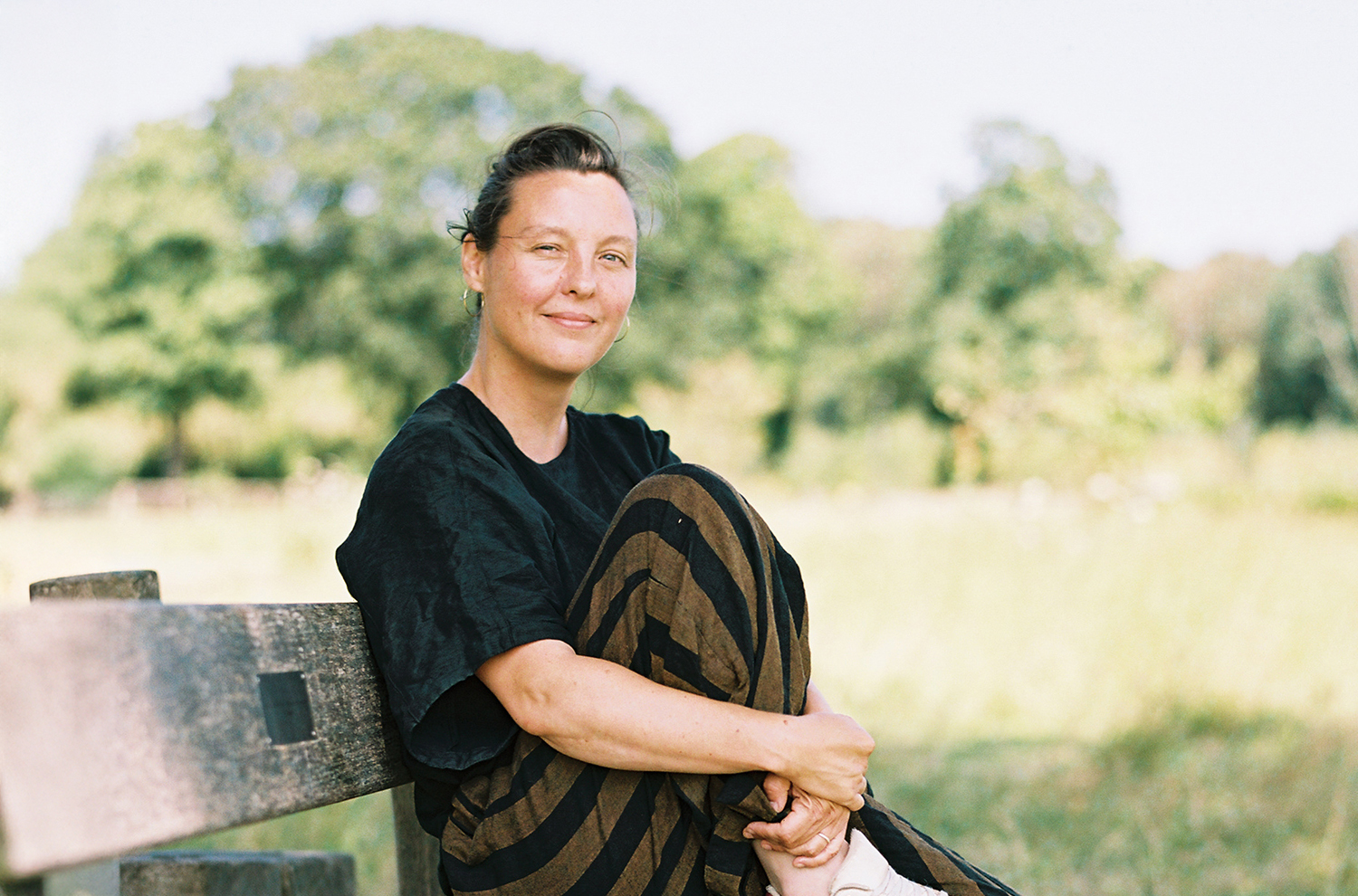
In this episode of Mum Means Business, I sit down with my marvellous friend Kate Rossin, a born creative who has worn many hats in her career.
Entrepreneurship is Rarely a Straight Path
Photographer and founder, Kate talks about the twists and turns of her entrepreneurial journey – from photographing weddings to launching a community arts space, all while navigating the real life challenges of motherhood, loss and identity.
Kate’s passion for photography began at just 11 years old and what started as a love of film developed into a successful career in wedding photography. But with industry shifts, personal challenges and an ever-evolving creative identity, Kate’s story is one of resilience, reinvention and bold community-driven vision.
We explore the business of photography, the emotional and logistical realities of parenting while self-employed and what it means to create accessible art spaces in the face of economic and societal pressure.
This is an honest and moving conversation about entrepreneurship, motherhood, creative identity, and the power of community support.
Conversation Highlights:
- The business of wedding photography: creativity, pricing, marketing and the demands of the job
- How competition can be the incentive you need to carve out your own niche
- Why showing up and marketing yourself is a crucial component for success
- The importance of building social confidence and connecting with your clients
- The impact of personal loss and what happens when life and business collide
- Pivoting and pursuing your dream business
- The challenges of balancing motherhood and entrepreneurship
- The importance of redefining your identity as a mother
- The tension between purpose and profitability
- Knowing when to let go in business
- Owning your wins and your lessons – no regrets
We covered SO much ground in this conversation, this list could have gone on and on!
Favourite Quote for Mums in Business:
“Do what makes you happy and follow your own path.” – Kate Rossin
Connect with Kate:
Find Kate on instagram @depictphoto to check out her beautiful photography.
About The Host:
I’m Victoria Phipps – a Mum of two, analogue family photographer, charity co-founder, marketing person and now podcaster! My career has wandered all over the place and is becoming a bit of a complex tapestry as I head into this middle phase of life, but I can honestly say I’ve loved every minute of it so far.
I was raised by a nurturing Mother and an entrepreneurial Father and have inherited traits from both, so the tension between ambition and motherhood is one I grapple with on a daily basis! I’m fascinated to hear the stories of other women on a similar path, who are striving to build thriving businesses whilst being present for their children. It’s a tough juggle, but I hope the conversations shared on this podcast help Mums in business feel less alone and inspired to keep going in pursuit of their dreams!
If you enjoyed this episode:
- Please subscribe, rate and review the podcast – it helps other mums find us!
- Share in your Instagram stories, tag @mummeansbusinesspodcast and let us know your biggest takeaway.
- Share this episode with a fellow Mum in business who you feel would resonate with Kate’s story.
Episode Transcript
Printmanufactory – (00:07)
I really
struggling with everything and thinking like I just don’t want all of this, the enormity of all of this I had to be really sociable with lots of people I was so tired I was like struggling to pay people, I’m struggling to balance everything and I’m having to be happy and serve people I did start looking.
to see what other jobs and I genuinely did look at that was a job in a mortuary.
Victoria (00:30)
Wow,
Victoria (00:31)
Hello and welcome to the Mum Means Business podcast, where we shine a light on inspiring women who have one thing in common. When they’re not managing tantrums, homework, pee-kits and play dates, they are busting their gut to create something from nothing, to turn their passion into a thriving business and build a better life for themselves and their families. We dig into what motivates devoted mothers to pursue entrepreneurship and how they integrate their work and family life.
I’m Victoria, your host, and if you’re an ambitious mum in need of some solidarity whilst navigating the messy middle of making your big dream a reality, then stick around. This is for you.
Victoria (01:08)
My guest today has worn many hats in her career from sign writer, photography lecturer, creative director and more. Never want to shy away from a good idea.
Printmanufactory – (01:14)
you
Victoria (01:18)
She’s invested her time and energy in building something from nothing several times. I first met her in London on a workshop over a decade ago when we were both in the relatively early stages of building our wedding photography businesses. And
my first impression was that she was infinitely cooler than I was. She just looked like an artist. Kate Rossin has an appreciation for all things creative from the art of crafting the San Francisco sourdough to traditional
Printmanufactory – (01:34)
Okay.
Victoria (01:44)
printmaking and photographers in the gallery space she created in her hometown of Cometree. With two gorgeous boys and arguably the best husband in the world at home, hi Kev, Kate is now very much
in her mum phase but my sense is that won’t stop her chasing a new project. Are we glad for punishment? Let’s find out. Kate, welcome to the Mummies Business Podcast. Hi.
Printmanufactory – (02:08)
Vic!
Hi Vic! was quite an impressive intro, I wasn’t expecting that. Yeah, thank you. Yeah. Thanks. Maybe.
Victoria (02:14)
It’s alright. Well, it’s nice to be flattered on a random Thursday afternoon and you are all of those things.
let’s go right back to the very beginning and talk about photography. So you’ve been taking photographs way longer than I’ve been taking photographs. And I think the business of photography and making money from photography is an interesting one that we both know a little bit about. But why don’t you tell me how you first got into it?
Printmanufactory – (02:46)
Okay. So, I mean, we have to go back a very, very long time.
because I first got into photography when I was about 11. had a friend at school.
and I went round her house and her dad was like do you want to come and see what I’m up to in the kitchen? I was like okay and what I kind of then walked into was a dark room and on their worktop they had all of the developing trays and
honestly I was just blown away. I can even remember the first picture that he showed me and it was of a… fence where they’d woven the hedge together like natural hedge I guess. And he’d done a close-up picture of it, of the pattern that it made and seeing that picture come out of the water…
that’s what I thought it was at the time, in this dark room with red lights and stuff just blew my 11 year old so I went home and told my dad and he immediately got out his dad’s old 35mm SLR camera and was like you know your granddad used to be really into photography and this was his camera
and then my dad actually helped me set up a little
Our art teacher had done a little bit of and so I was able to do during my GCSE and that was all I wanted to do. I left school, went to college, studied photography and then I went to Derby University to study.
That’s, I was, yeah, properly obsessed.
Victoria (04:04)
Amazing to know what you want to do. Amazing to know at that young age and that that actually works out.
Printmanufactory – (04:06)
Yeah, yeah, I mean,
yeah, I think it’s very rare to find, something that stayed with me for such a long time. And,
became very possessive over it because it was kind of my whole life, it was everything to
Victoria (04:22)
you, because you learn on film. I didn’t learn on film. I mean, there’s not much of an age gap between us, but I didn’t learn on film, and I was very much one of those photographers that came in in that digital wave. So I remember…
Printmanufactory – (04:25)
Mm-hmm.
Victoria (04:37)
my first digital camera that my parents bought me for my 18th birthday and it was something like two megapixels. It a little Kodak point and shoot and it was in comparison today’s iPhones it was absolutely shit. It was just hopeless
Printmanufactory – (04:38)
Yeah.
Victoria (04:50)
I remember film as very much rooted in my childhood whereas you actually
started your career shooting film. And I think to see that transition must be really interesting. So did you feel, because I think it was, around 2009, 2010 where this like massive influx of photographers came in So suddenly taking a picture doesn’t cost you any money. you invest in your camera.
Printmanufactory – (04:55)
Yeah.
Victoria (05:10)
but you’re not investing in film. So once you’ve made that initial investment, every photograph you take is essentially free. And so everyone then thought, perhaps including myself, that you could make money easily. And in the wedding industry, you just had ridiculous amount of, in inverted commas, documentary photographers just spraying and praying, taking
thousands of pictures and hoping that like 5 % of them came out all right. And did that frustrate you?
Printmanufactory – (05:35)
Yeah,
massively. ⁓ I mean, you know, I was saying about how, I was really possessive and I look back now and I think, you know, when new technology comes out,
Victoria (05:37)
Hahaha!
Printmanufactory – (05:46)
and lots of people push back against it and they say you know I’m going to lose my job or I’m going to you know and I was kind one of those people because I felt at the time that’s all I knew like I hadn’t trained to do anything else and you know I didn’t have a backup career that I could kind of just go back to if the photography didn’t work out this was all I knew and so then there was this whole influx of people who were doing its hobbies or you know just around their other work and
it was frustrating because all of a sudden I had this like huge amount of competition But actually what it did at the time was incredible because it pushed kind of carve out a niche that knew that when I looked at the photographs, they were my photographs. It was very much this is the way I see the world.
took me a couple of years to really understand that being surrounded by lots of other people was actually fantastic because these people that would never have had the opportunity to be photographers and be incredible photographers like you know really kind of push what was out there
Yeah, it just wouldn’t have and I love that, at the time, I didn’t love it. I was really pissed off. Yeah, and it comes from it was things that, know, about being scared and it became, I think, I come from a really kind of like, you know, working class family. And, you know, we didn’t have an art background.
Victoria (06:48)
You were pissed off. No, you were pissed off. You were cross.
Printmanufactory – (07:02)
when you’re working in the wedding industry, the more successful you get, the more you’re working with, you know, more affluent people. Yeah. and I always felt, ⁓ I out of my depth with that. Whereas previously I was able to rely on the fact that I was skilled But then you had lots of people who had,
Victoria (07:06)
end clients.
Printmanufactory – (07:18)
you know,
Victoria (07:23)
just feel like it’s confidence.
Printmanufactory – (07:24)
Yeah, I think so. maybe more experience of, kind of being in those situations and I just felt I just really felt out of my depth and I couldn’t just rely on my photography anymore. It was about how to talk to people. It was about communication and it was about, you know, having similar experiences
Victoria (07:42)
really interesting. I don’t think we’ve spoken about this before, which is good, because we’ve spoken about, I feel like, almost everything else under the sun. But that’s such an important factor to take into consideration when you’re starting a business,
Printmanufactory – (07:45)
Yeah.
Victoria (07:53)
So when you first entered it, there were probably still a lot of photographers who were doing it the traditional way on film, And you didn’t have to be…
Printmanufactory – (07:53)
Thank
Victoria (08:03)
so and perhaps in a strange way, perhaps there was just more respect for your profession. And then obviously when the market was flooded.
people had so much more choice. And
like a change of style that comes obviously with digital and a kind of American import of just a more informal, relaxed, fun approach, But really your social skills important when you started out, but when there’s this massive amount of competition.
then
Printmanufactory – (08:31)
Yeah.
Victoria (08:32)
actually that became a thing. And then in business, I suppose in general, it is so much to do with how you relate to your clients. And if you want to make good money in wedding photography, you kind of are going towards the higher end. I think you start out and you’ll just take any wedding and actually you’re honored because it is just a big deal for someone to trust you with that memory.
Printmanufactory – (08:48)
Yeah. Yeah.
Victoria (08:57)
but you quickly realize you’re not gonna have a sustainable business that way. And so you are kind of moving up into the higher end wedding socially. And that does require a certain
Printmanufactory – (09:06)
Yeah.
Victoria (09:10)
level of kind of social confidence, which I never really thought that you struggled with. I’ve second shot weddings for you and you’re always absolutely delightful and seem completely at home at every wedding.
Printmanufactory – (09:21)
I think it just took, quite a lot of practice and again, it was the know, and I second shot for photographers who were doing those really big…
kind of high-end weddings, you know, where I’d end up at Claridge’s and, you know, and again being able to experience that just gave me a bit more kind of a more of a confidence boost but I remember like the year that I first got lots of bookings we did a wedding show at the NEC and
we’d kind of, what we should have done was probably upped our prices as the days went on. But what we were offering was so different to everybody else because the main was traditionally very male dominated, very kind of, shouty, you know, mean, I love family photographs. Doing the Formals is one of my favourite bits of the day. I love it. But.
I think lots of people of being at weddings where you’d have some guy with a camera shouting at everybody to get into a certain position and all that kind of stuff so we… yeah absolutely it wasn’t very nice and so I think it was predominantly female photographers who I think changed that mean that was the big shift
Victoria (10:14)
Yeah, yeah.
It’s quite unfriendly, actually.
Printmanufactory – (10:28)
and lots of brides obviously wanted that because you know when they’re getting dressed and they want all these beautiful pictures of them with their but they’re potentially in their underwear and women are ones that they really wanted to have around them at that time and so being able to offer them that plus something that was kind of very different to a very traditional way of approaching wedding photography.
We booked up two years worth of clients at a very, very low rate. So cheap and there was nothing we could do once we booked them, that’s it, we were in. And those two years really taught me about weddings because we photographed some incredible weddings in some incredible places, really high end, even our charge was quite small in comparison And then we did…
Victoria (10:52)
the NEC.
Printmanufactory – (11:11)
the lowest kind of budget weddings, I think those two years really kind of taught me how to work with lots of different people
so I think yeah it’s that was real thing.
Victoria (11:21)
It’s a big challenge. I
actually think wedding photographers are warriors. I think in the world of photography, wedding photographers get such a bad rep. But to shoot a wedding, an event where you are dashing,
you know, at a moment’s notice from light situation to light situation. Your ISO is like kicking up and down as the wind blows, you know, at the cloud cover, then pouring rain, then bright sunshine, then in a dark church or a horrible reception room with a suspended ceiling and one quiet window in the corner. But we did it, didn’t we? and it’s hard work and the whole time you have to be delightful.
Printmanufactory – (11:50)
You’re giving me anxiety just talking about it.
Victoria (12:01)
Absolutely delightful, which, you know, of course you’re going to be delightful. Someone’s wedding day, it doesn’t matter whether they’ve spent 20 quid on a cake or 5,000 pounds on a cake. It’s their wedding day, it’s important and they’re your client and you serve them. But it is, it’s a day, isn’t it? It’s a really, really intense day. So you hone your craft in those two years. And then in terms of your business model, how did that change after those two years? I presume you upped your prices.
Printmanufactory – (12:11)
Yeah.
like massively and.
Yeah and it was two years worth of hard graph with not very much to show for it, finance-wise but the experience it gave us and also the access then to lots of other people because then go on and shoot a sister’s wedding or somebody who worked with somebody. Yeah
Victoria (12:47)
The word of mouth.
Printmanufactory – (12:49)
But during those two years was when I decided that I didn’t want to photograph the way I was there were lots of photographers, and there was lots of competition and it kind of felt like who can create the most…
or inspiring wedding photograph who can create the most fun looking picture it was all these kind of like you know really spectacular pictures that you would blow up and big and put up on the wall and I felt there was just so much pressure
to be producing that photograph that actually what seemed to then happen was that everything else got lost in it. There weren’t the family formals because there wasn’t time. Everybody was convincing couples that you don’t want the family formals, that’s the boring bit. You want to show everybody how fun you are and how, you know, let’s go and stand at the top of a mountain. And when I look back on the photographs that were important to me,
Victoria (13:34)
You
Printmanufactory – (13:39)
Like it’s all the ones with my family. you know, I want to see a picture that’s got me and my nan and my mum you know, my sister. I want to see those pictures. and at the time the person who I thought was doing the best photographs of people at wedding was John Candace. And I was just blown away by the way he captured people interacting with each other.
and the big thing with him was that he was still shooting film and I was just like that’s what I want to do and I know how to do it like I know how to shoot
Victoria (14:06)
Yeah, yeah,
exactly. You were at an advantage.
Printmanufactory – (14:07)
So like,
yeah, and then I kind of, I was like, are you crazy? Why on earth would you want to spend loads of money on film? And also weddings still terrified me. Like I’d still, you know, wake up on the morning of a wedding, wanted to throw up because of pressure. Yeah, like.
Victoria (14:23)
I think if I shot a wedding tomorrow, I would feel like that. Even
with over decades experience, it’s just such a pressurized situation. You cannot redo it. It’s now or never. You can’t make a mistake. You just can’t. It’s a very anxiety-inducing thing. And I think the whole day as well, you’re running on adrenaline. So one, it’s really hard work. Two, the adrenaline. Your nervous system is just in overdrive the whole day.
Printmanufactory – (14:32)
Yeah. Yeah.
No, you can’t.
Yeah.
Yeah.
Victoria (14:51)
And then the come down is real as well. It’s like relief and just like anxiety just oozing out of your pores as you drive home. And then
Printmanufactory – (14:53)
Right. Like. Yeah. Yeah.
Victoria (14:59)
you’re madly frantically checking every card, every roll of film. And really until you deliver the photographs, you’re like, okay, you’re done. And then you do it all over again.
Printmanufactory – (15:07)
Well this
is it
Victoria (15:08)
So let’s talk about money in a photography business. Did you make any? As a wedding photographer specifically?
Printmanufactory – (15:11)
Okay. Okay.
Yeah. ⁓
Very little, very little, I think, because I was…
Victoria (15:22)
Yeah.
Printmanufactory – (15:24)
I mean obviously especially with the price of film yeah there wasn’t a lot of money absolutely I just I don’t think I was ever at that point
in terms of, I, as much as I loved photography I just wasn’t great at the getting myself out there and doing the, yeah. I just couldn’t, like, I found, you know, like talking about myself I found it really difficult to,
Victoria (15:40)
Marketing bit.
Printmanufactory – (15:47)
know be like hey I’m great come and put me and you know
Victoria (15:51)
I don’t think it comes
naturally. mean, we can be terribly British about it. I just think that we find it
And you have to develop your own style, don’t you, of kind of putting that out there. But yeah, looking back, I would say that you weren’t shouting about yourself. And they say, don’t they, social photography is 80 % marketing.
Printmanufactory – (16:06)
No.
I can put it up here. Yeah.
Victoria (16:12)
15 % running a business and like 5 % taking photographs to make it work.
And your photographs were beautiful. I mean, they still are, I presume. I haven’t seen any of recent work, but you know, I have confidence that that’s beautiful too.
Printmanufactory – (16:18)
Thank you.
Victoria (16:26)
I was in a position when I was shooting weddings where at the end, I was making money, but it was very much that time for money exchange. And I wasn’t necessarily
Printmanufactory – (16:37)
Yeah.
Victoria (16:38)
compensating for the fact that I would like be in a car and travel the whole day before and travel through the night afterwards. Often they’d often find me asleep at like Stafford services at three in the morning in my car because I just couldn’t make it that last leg home. And all of those things were just not
in there and the I feel like really if I’d have worked out that time for Money Exchange I’d have been on a really really low rate if I’d have been honest about it and so think for me the reason I stopped was partly having children.
Printmanufactory – (17:12)
Yeah.
Victoria (17:09)
but also kind of exhaustion from it and feeling like I’d lost like creativity, which like you say, that’s a passion that you have, that you’d had since you were a child. What do you think were the reasons why you stopped that business?
Printmanufactory – (17:24)
So, I mean, the money side of it was one thing.
I think if I’d have gone back to being a digital photographer, I probably could have booked a lot more because I could have reduced my prices down and I think I would have had access to a bigger market. and film photography in the UK just wasn’t really a
like, so people weren’t booking me because I shot film. They were booking me because they liked why my pictures looked different, you know, and that was because of the film, but they just didn’t know that. So it was hard to kind of convince people that weren’t booking you specifically for film, why they should be paying, you know, a thousand pound more, you know, for that privilege.
but I just did not want to go back to being a digital photographer. That wasn’t what I was interested in. And I decided to start a family and that had been quite a long process for us so I hadn’t been able to get pregnant for many years and
2016 started IVF and we had one round, didn’t work and we abandoned it and then we had another round and that worked and I had my son Remy August of…
2017 and
mum and dad lived just around the corner and the plan was we wouldn’t do multiple weddings anymore, like other weekend it would just be the one and my mum would look after Remy whilst we went off and shot the wedding and we did that.
I think first one I did was maybe when he was seven or eight weeks old. quite you know yeah yeah yeah it was really really soon and…
Victoria (18:58)
That’s so soon. That’s so soon.
How was that though? Because that’s, I
mean, we’ve already said it’s such a hard day. You’re on your feet all day. I mean, after I had Alice seven weeks in, I’d only just started walking again. So I definitely was not up for shooting a wedding. ⁓ But how was that? Like, did you, how did you feel about doing that? Was it just needs must? Like you booked it, that’s that.
Printmanufactory – (19:14)
Yeah.
Yeah.
It was,
yeah, and my mom’s amazing like, parent, babies were her thing and I felt completely at ease with her. mean, I remember, she sent me videos of her bathing him and I mean, the problems were, I having to like express and anytime, yeah, it was just, but it worked, it was fine.
Victoria (19:40)
a lot.
God, Kate, having to express
at a wedding. Like you just don’t have, you could be called upon at any moment to…
Printmanufactory – (19:46)
No.
Victoria (19:51)
go and shoot something, this is happening, can you just come out? And any guest feels they’re able to grab you and you jump too and you go. and fine, you can sort of schedule in, okay, well, I’ll express during the wedding breakfast, so that’s one. Maybe in the car between somewhere and somewhere. But you absolutely cannot, yeah, but you can’t choose that for yourself. So that’s having to work around that.
Printmanufactory – (19:52)
Yeah. Yeah. Yeah. Yeah.
Victoria (20:11)
day’s schedule, which is just an extra stress. Oh my God, Kate, I’m sure there are lots of wedding photographers who’ve done it, but it’s, that’s a lot
Printmanufactory – (20:12)
Yeah. Yeah.
Victoria (20:20)
and it’s unspoken and you don’t feel able to say, I’m sorry, I’m just gonna have to take 10 minutes in the middle of your speeches because my boobs are leaking. You’ve got to figure it out.
Printmanufactory – (20:26)
Yeah. Yeah. Yeah.
Victoria (20:31)
That’s so crazy.
Printmanufactory – (20:33)
the main reason why we stopped was and then and this is the bit I find as I so heartbreaking really because everything had kind of slotted in together like you know the business was doing really well
I think we’d found a way that we were going to kind of, you know, manage it. And Remy was 10 weeks old when my mum found out that she had cancer. And then that was just the whole, everything just fell apart really because I just knew at that moment that whatever the prognosis was, this was not something that was going to work for us because not only was she not able to look after him.
that wasn’t the biggest thing for me, the biggest thing was what I don’t want to not be nearby. Weddings on certain days, they happen at certain times, know, cancer doesn’t, know, things go wrong and things happen in surgeries and treatments and I was like no way that I wasn’t going to be able to just drop something and I would never want to put a bride or groom in the position where
they’d like no no just go but we understand because your mum’s sick but it’s their wedding day so I would never have expected people to have forced them to have been kind so literally once that happened I was like right we’re done, we’re done and it wasn’t so…
Victoria (21:33)
also it’s their wedding day and you know how important that is. Yeah, it’s hard.
And that’s life at play.
That’s real life. And this is the thing about business, you know, business is really, really important. It’s the heart of everything until somebody isn’t well. And then you figure it out. It goes to the bottom of the list.
Printmanufactory – (21:53)
Mm-hmm.
Mm-hmm, yeah. Yeah.
and so alongside me being a photographer I was also a photography lecturer so I was teaching I’ve been teaching at university as well as FE college.
so I was like it’s okay I can you know it was never full-time it was always kind of know hourly paid lecture stuff and I was just like well we’ll just we’ll just do that for now and yeah and it was literally overnight we were just like that’s it it’s
Victoria (22:32)
And
how did Kev react to that? at the heart of it is your business, and he was working at Coventry Uni at the time, so he had his steady income.
Printmanufactory – (22:38)
Mm-hmm.
Victoria (22:40)
I presume since it’s Kev, he just was supporting whatever you felt was best for you.
Printmanufactory – (22:44)
mean you mutual kev you know you want to do that crazy thing at the same time as doing another crazy thing whilst at the same time you know having a new baby and all the okay well it wasn’t that unexpected that something else would be on the horizon i don’t think it shocked him that much maybe not something on the scale that i ended up doing
Victoria (22:45)
Yeah.
You
Printmanufactory – (23:06)
So this is kind of the end of 2017, a big thing had happened in Coventry. very surprisingly, I don’t think many people really expected it to happen, but it won the bid for the City of Culture.
when that happened it kind of felt like it was the right time to do something that I’d had in my mind for quite a long time
had this ink I wanted to do something that was public facing
so we thought about what does Coventry have or doesn’t have and it didn’t have an open access darkroom at all, it didn’t have anywhere where you could go and process film or print.
We also, I’d started screen printing and I’d seen the link between what you could do with photographic images and screen printing and was really interested in that. I just thought, do you know what, actually we could make this kind of open access studio space, dark a shop space where people could potentially sell locally created artwork, whether it was photographic or printed. And
So Print Manufactory just became this really kind of cool little hub where local photographers and artists could come and use the space and we met some incredible people during that time. really, really enjoyable I don’t think what we expected was to end up being somewhere where people just hang out and chat and talk about art.
it became less about the printing and the creating that more, know, kind of using it as a space to, bounce ideas off each other. so, yeah, so that was really the flag. And then COVID happened. you can’t really do you know, workshops and group things when, there’s a global pandemic going on. So, yeah, so studio.
Victoria (24:38)
You
Printmanufactory – (24:49)
closed and we were then given the opportunity to move into bigger premises. mean and to be honest I think we were at a point where we were like this isn’t gonna work you know like we invested a huge amount of money into it it was a really you know it looked beautiful you know was all birch ply and it did it looked great and you know we used to sell all the things that I loved you know it was great but it was hard to make work and it was hard to make work in a location we were in as well.
Victoria (25:04)
It did.
Printmanufactory – (25:16)
is in this creative village just on the outskirts of the city centre and it always really suffered with footfall but I think naively we were like know it’s fine we’ll go in there we’re off into something so unique that it all drive footfall but it was a hard gig it hasn’t got very good parking, people in Cobb like driving a lot so it was tough but then there were a series of grants that became available to people that ran.
the village to invest the arts and we went with a proposal for taking what we had with print manufacturing and upping it into a community space, taking on the positives that had come from using the space to talk with other artists and really run with that part of.
manufacturing so we lost the darkroom
but we kept all our screen printing stuff and we still photography workshops but we also opened like a cafe bar and that was to kind of help fund the things that went on in the space and we had a big exhibition wall so we put lighting in so that we could put on some
really interesting exhibition. So not just from local artists, but we kind of like tried to get kind of lots of different things in from around the country. And yeah, that was common ground. Yeah.
Victoria (26:26)
And it was awesome. It was a very, very beautiful space.
So when you set up print manufacturing, you didn’t necessarily expect.
that it would become this kind of hub of conversation in a kind of cafe society way, all you’ve got to do really is inject a coffee into that, And
Printmanufactory – (26:41)
Yeah.
Victoria (26:41)
you’ve got what seems to make sense as a creative hub,
was that your vision for the space?
Printmanufactory – (26:48)
Yeah.
really wanted that to be a place where you could just coffee and not just some nice food, but also be in a really beautiful place at the same time. And that wasn’t a big chain.
So there was that element to it but then at the same time it very much about being able to support a community of people I think. There was a lot of disappointment with City of Culture in Coventry. A lot of local people felt kind of pushed out and not included in what was going on there and you know we just wanted to make sure that there was something afterwards so that once that had
We were still there, we were still having those conversations, we were still doing stuff, making stuff, collaborating with other people. And we collaborated with so many different groups of people, whether it was, musicians, you it’s not all just visual arts, we had a license, so we were able to, kind of put on nights where we group of people who…
encouraged new DJs who doing this on their own in their bedrooms but never had the confidence to do front of the public. then we had bands, we had friend James otherwise known as Funky Pochini
and he came with this crazy thing called the laserion which when he first started it looked like this massive meth lab
was something like 200 lasers that he programmed and it was all based on his own music he was trying to find a way to almost do like a live show of his music and so all of the lasers responded to different notes and the bass changed mirrors and so he had to write music that didn’t just sound good but it looked beautiful
So that was really special and that happened quite early on when we first opened and it really did feel like we’d created something at that point. I was really excited about what it was gonna be able to go on and do. yeah.
Victoria (28:36)
And isn’t that feeling, just take that of starting something and it comes out of your head. You you want to create a space that on one hand serves the community, on another hand is beautiful satisfies your attention to detail and serves good coffee and good food.
what I feel is great about you is that you have a sense and actually an ability everything you do beautiful.
Printmanufactory – (29:07)
You.
Victoria (29:07)
Like I’ve been to your kids birthday parties and honestly the salads are something else. You know, nothing is, you’re not gonna throw out, a Costco sausage roll and a cupcake. Like that’s not you. You have a really…
aspirational head that you think, well, how good can we make this? And I feel like you bring that to everything that you do. And so that moment where you feel like you’re gaining traction, you’ve got this idea,
you’ve made it happen, but there’s a lot of uncertainty at the beginning of a business. But then you have a night like that, say you did that first show and you’re supporting someone in the community who has got their creative outlet. You’re bringing people together.
Printmanufactory – (29:41)
Yeah. Yeah.
Victoria (29:50)
There’s something beautiful happening and there are lasers and lights everywhere and the music is great and the buzz I imagine is amazing. Like that is the fuel, isn’t it? Because
Printmanufactory – (29:58)
Yeah.
Victoria (29:59)
you’re so excited about where this is going to go and the things that you can do. And I just think having that, It’s not about the destination, is it? It’s the journey and it’s those moments and that joy that you derive from it. And you look around the room, you’re like, we have done this.
Printmanufactory – (30:11)
Yeah.
Yeah.
Victoria (30:15)
and I wonder what else we could do. And it’s so hopeful and kind of beautiful in itself. So then, we talk about the challenges. So, tell me about those.
Printmanufactory – (30:27)
Okay, so literally as COVID was happening in March, my mum was told that her cancer was no longer treatable. And by the time we got to July, we lost her. And so that was incredibly difficult because obviously you can imagine the lockdown part of it was like, well, I want to see you. Like you’ve just had this awful news.
and we want to you but then we were being told we can’t and then we were being told that if you go anywhere near somebody they’re going to get this thing and then they’re going to die and we’d already kind of been told that that was going to happen but we didn’t want it to happen any quicker so we stayed away from each other for you know quite a long time at that point. It was just the worst, it was just so hard and
Victoria (31:05)
which is heartbreaking.
Printmanufactory – (31:11)
The people in hospital were like, we would understand if you broke the rules and you saw each other, but at the same time if your mum got Covid we wouldn’t treat her.
Victoria (31:21)
You can’t have that responsibility weighing on your shoulders, can you? difficult position to be in and you don’t have any clarity necessarily on how long you do have. You know, if you were told if she’s got a week, you know, sod all the rules. You just need to see each other, but absolutely awful, I can’t imagine.
Printmanufactory – (31:36)
Yeah.
Yeah it was really horrific and at this point I’ve got two children so Ray hadn’t turned one at this point and there was a lot of stuff going on with him as well so we had that we were dealing with and so I had and Remy was just coming up to three so mum died in the July and
I think I had the opportunity to take on common ground or to go into the larger premises not long after that. And I think what I obviously did in hindsight now, I just think I just put all of my energy into it. Like all of the stuff that was going on with losing mum and you know, it just gave me something to focus on. should always said, you know, you should open a coffee shop. You should have this. You should, know, you love cooking.
I just kept thinking she would have loved this, she would have been here all the time and I think that was kind of the driver for doing that and so I think I was just on that hamster wheel for that first year I turned 40 in February during that big lockdown, we were still building the place so…
we get in but the lockdown rules were just so up and down like we didn’t know like it was
restrictions on how many people could be in a room at any time, so we were kind of navigating that because we’d never run a food business previously and then we were having to then deal with this on top of it but you the first year was really good because I think everybody was so desperate to spend time with each other.
experience things so like you know they wanted to do workshops they wanted to be with people they wanted to look at art so you know the first year was really good but then year on year you can see I yeah it was just it was just always really difficult it was difficult with the footfall trying to get people up to a space that wasn’t in the city centre.
is affluence in certain parts of Coventry but there’s a lot of deprivation as we really wanted to work with the community so we were really encouraging local people to use the
we would put on a lot of free events and things but it wasn’t necessarily bringing money in for us and the parts of the city that maybe did have the money and the interest in the arts naturally were kind of just that bit too far away so it became a real struggle to try and fund it just through the kind of F &B that we were offering.
for the amount of footfall that we would get at the space I think our rent was quite high.
But it’s everything that goes with it. If you’re open between five and seven days a week, you’ve got to pay for staff, you’ve got to pay for all the things that happen, whether you’ve got anybody in there or And that’s a very, very expensive thing to do.
Victoria (34:12)
Yeah,
I feel like I have no inkling in this because obviously I’ve never had any kind of like F &B or hospitality business of my own, but you hadn’t ever done anything like that before.
Printmanufactory – (34:21)
No.
Victoria (34:22)
Was that quite a shock to the system to realise the overheads of staffing? You know, you could walk in and the place would be empty, but you know that it’s costing you money. When you go from like the wedding photography game, for example, what was that transition like from one business sector to another?
Printmanufactory – (34:31)
Yeah.
I think, I mean, I’ve only ever known it post COVID and, you know, hospitality still now.
is in a really really difficult position. think there’s lots and lots and lots of places that are closing down. For example in Coventry there’s lots of chain restaurants, the Botanist was one of the busiest big chain restaurants and always seemed very popular and appealed to a wide audience. That closed down at end of last year.
And you kind of think if places like that can’t survive, places like ours really struggle. I just think I always wanted to do was make it affordable for people. I didn’t want to kind of just whack our prices up massively in order to make sure that…
covered the fact that some days we wouldn’t have a lot of people I just felt like I wanted to make it affordable for everybody all the time because that was the purpose of the space, it was to make it.
Victoria (35:30)
and that’s
the social responsibility.
Printmanufactory – (35:32)
Yeah, that’s
it. And you know, as much as charging £4 for a latte, it probably would have kept us in there for, you know, yeah, It wasn’t why we had the space. The space wasn’t a coffee shop and it was just supposed to
Victoria (35:39)
helped.
So what happened to Common Ground?
Printmanufactory – (35:49)
So the year before we were in a really, really bad situation in terms that we had got behind with our rent. we were really struggling and people like, know, everybody was kept saying, you know, we love Common Ground. was like, you’ve got to come and use it. Like you have to come and use this space if you want it to stay open. We had a phenomenal exhibition. I mean,
It still blows my mind to think that we actually did it. So somebody that I’ve been collaborating with had said to me in passing once we were talking about the original photographer’s gallery, and she said, know, this place always reminds me of it, I think, because of the way it was laid out. And we just talking about how much we used to love that space. And she mentioned that she had this John Berger.
exhibition and I was like what? The John Berger and she said yeah I’ve got John Berger’s words and John Moore’s photographs and you know well maybe we could put them up in here and so we put on this exhibition
which was based around their book Seventh Man and we kind of had this as a year-long project had access to about 120 pictures and I curated a selection, it’s all about migration which is kind of really important at the time because politically there was a lot of talk about kind of migration and…
lot of negative information was coming out about that so it felt like a really good time to do that and open up kind of discussions with the public. I’ve always had this thought about people being able to access high-end art and one of the things I always feel is that there’s a lot of people in commentary who probably would never set foot in an art gallery. I can tell you there’s probably members of my family who would be like and the reason why is because they
Victoria (37:25)
You
Printmanufactory – (37:28)
they will be scared that somebody would ask them what they thought about something and the idea of people being put off because they are intimidated and I’ve been there you know when we talk about working in different social if I do you know of not being able to say the right thing to the right people
Victoria (37:38)
the social anxiety.
were you
worried it’s not your world? and it’s misplaced and I
especially where art’s concerned, it’s so subjective
Art is for everybody.
Printmanufactory – (37:49)
Yeah.
Victoria (37:51)
And I feel like every project and everything that you’ve done at Common Ground, that’s the foundation of it. It’s trying to remove the barrier to entry and trying to level out the playing field. You can come and look at a photograph on the wall and you can pay, you know, two pounds something for your latte. It’s okay. You are welcome. Come in. do you think people, even though that was your ethos, do you feel like people still felt
that it wasn’t quite for them.
Printmanufactory – (38:18)
Oh yeah, absolutely.
had a hipster vibe it had a specific audience that was, I would say, it’s white middle class. That’s not what we were aiming towards and we worked with a lot of different groups, a lot of young people and tried to put on lots of different things in order to make that.
audience more diverse
I was kind of influenced by, you know, really cool kind of shops and spaces from places I’ve been to outside of Coventry. I was like, no, do you know what? people still need to be able to think they can just come in like that. We were always going to be welcoming for, you know, for everybody.
and
Victoria (38:54)
And it’s amazing the little cues, you know, stuff white people like, and the list, I mean, I’m sure on it is stationery, house plants, black and white photography. I don’t know, but the thing is, when you actually look at stuff like that, and you look at your shopfront, like, it is your shop, I mean,
Printmanufactory – (39:04)
Yep. Yeah.
Victoria (39:14)
The whole space they created was beautiful. But it’s having that awareness and stepping into someone else’s shoes. And it could be age. It could be like somebody in their 70s might feel it’s not for them.
Printmanufactory – (39:23)
Mm-hmm.
Yeah.
Victoria (39:25)
people in the 30s, 40s, 50s having their cortado and a huge Monstera plant in the entrance way. And you’re thinking this is not for me. And there’s those cues exist. And I think as, as business owners, we have to kind of be aware of that all the time. Even in what I do in family photography,
am very mindful that a lot of my portfolio,
because I live on what they deem as white-wirral, which I only found out was a thing way too late in life, is of white people.
So somebody looking at that, even they might live is going to be thinking, well, is this for me? And I want it to be for them. I want it to be for everybody. But we have to be so mindful of the messages that we’re sending.
Printmanufactory – (40:06)
end of 23, we nearly lost it. And we did a crowdfund and we raised a phenomenal amount of money in
20 days or something. I think we raised kind of nearly 8,000 pounds. we had some incredible artists support us. So we had George Shaw, who’s kind of probably one of Coventry’s kind of most famous artists. He was a Turner Prize nominee several years ago. Really great guy, really lovely. And he donated one of his prints to the crowd funder. So we had people all over, you know,
of supporting us with that so that was really great and it just gave us that bit of a lifeline. So we stayed open for another year with very much that idea in our heads which was about kind the people that came to the space more representative of where it was and how do we go about doing that, how do we get more people here, how do we get
My kids go to the schools around the corner and their friends are the people that live here, just like we live here. I we only live around the corner from it. So it was a really important thing for us and I think if we’ve maybe have got some of the grant funding I think we probably could have carried on. But it just wasn’t meant to be and unfortunately that’s what happens with grant funding. you can get it and
that’s it you’ve got it and you know you can do your project and you’re fine well you don’t get it and that’s it it’s over know we’d invested in it we’d had other people invest in it we ploughed everything into it and you know I still have a very young family and there has to come a point where we say look do you know what I can’t keep
taking me out of that to run this where there’s very little back. my kids grew up there. Like Remy was eight months old when we moved and we got the keys for the first place, pro-manufacturing. And so he’d known nothing else and he was there like every weekend and he had lots of friends there and you play there and it was, you know, incredibly family friendly and…
wouldn’t change anything you know I don’t regret I don’t think like my god I invested all this time and energy into it and I wasn’t being the best mum or you know Remy’s probably one of the most social people you’ll ever meet and it’s probably because he grew up around all of these like I mean he’s the kind of kid that would just go and sit at somebody’s table start talking to them about Richard the third
Victoria (42:20)
Whether
they like it or not.
Printmanufactory – (42:21)
whether
they liked it or not, usually not, there had to be a point, no holidays, as much as people are like, it’s not really a when you’ve got children, I’m like, yeah, but you still do it, you still My kids have never been on abroad and they’ve only had like a couple of weeks in Wales, that’s it. And I just think there had to come a time where I said, okay, that’s enough now.
like.
Victoria (42:42)
And it becomes a of a lifestyle question because our children’s childhood is actually very short. And we have good reason to pursue
Printmanufactory – (42:45)
Thank
Victoria (42:53)
our own businesses during that time because of the flexibility, because we want to be fulfilled, because we want to make a difference, because we want to have an impact on the community for whatever reason. But do you feel that the price became too great?
Printmanufactory – (43:08)
Yeah absolutely. mean and the thing was I felt like Kev follow me to the ends of the earth you know like whatever I choose to do he will support me he always will and I said to him last year and the year before to me I was like should I just stop and he was like just do do what you want to do I’m like no I want you to tell me like should I just stop and I think it got to part…
I had to make the decision because it was my decision to make but I just felt like it’s not fair for me to not be putting anything into the pot. I never took any money from Carmagrande or Pro Manufacture, the only money I ever had was from doing things away from it, so teaching or commissions, that kind of thing. And even those like…
Victoria (43:46)
And the fact,
just that fact, is incredible that you kept it going for so long. And it’s an absolute act of service. You weren’t running a charity. Like we have to aim to be paid by our businesses.
Printmanufactory – (43:59)
Yeah, I mean, I was actually
paying to go to work. So when I say like, I was teaching or I was doing a commission that money, then a lot of the time would go into paying like my staff’s wages. And so it wasn’t even just sometimes it wasn’t a case of me not getting paid. It was about me paying to go to work. And as much as you know, me and my business partner, John, you know, we loved the community that we’d
become part of and that we’d help create and I loved the nights that we put on it.
Victoria (44:25)
and you crowdfunded
all that money, so they loved you as well.
Printmanufactory – (44:28)
that. mean
you know it was it for us it was something really important when we made the decision to close and we put it on Facebook and like the comments the things people said was just phenomenal like the and at the same time like people knew that we’d done as much as we possibly could and we tried really really hard to keep it going but at the end of the day I think I have to say
I can’t not get paid and not have any weekends. There has to come a point where you say that’s enough now.
Victoria (45:02)
You have two children, Ray
Printmanufactory – (45:03)
Yeah.
Victoria (45:06)
has additional needs, which you can share with us if you
want to, and you had lost your mum, which is, the timing is just so fucking unfair
Printmanufactory – (45:17)
you know, lost my mom and,
so we had childminders and nursery and basically just all of our money, any money that we had.
just went straight into that, like there was nothing left. And it didn’t cover what we needed. I was still running print but what I was making would never cover the childcare that I needed. So it was always a case of just bring the kids to work. That happened a lot, and joy of having your own business is that
you can have your kids with you but yeah that’s generally what happened and that in itself makes some things very very difficult because you know every stage of them being little has its challenges whether it’s the feeding when they’re really young or whether it’s the entertaining when they’re bit older
but now when I look back on it I’m so glad actually it was just hard on my own.
be working and to be responsible for people’s jobs and all the things that go with running a business as well as little people and their needs and whatnot. It’s just hard to mentally balance all of that. But Covid helped Kev was at home quite a
Victoria (46:19)
Yeah.
Printmanufactory – (46:24)
so that was really helpful. And then where we find our problems now is because Remy’s seven, nearly eight and you know there’s plenty of clubs and things that he can go to but Ray has got
damage to his brain. We’re pretty sure that it happened during the birth. But he had hydrocephalus and the neurosurgeon kind of said that he’s got some problems with the white matter. So actually kind of connections between like things. So, know, we just go raise raise got everything there. It’s just kind of how he can communicate or do it. He’s kind of getting from A to B seems to be the problems with him.
and he’s got autism he’s completely nonverbal he can use some sounds but you certainly can’t have a conversation with him danger
you know, it’s like having a baby that has to be supervised but with the strength of a very large six-year-old because he’s a big, big boy. Very strong. So yeah, and he’s at the most phenomenal school.
he’s in the best place for him. development and the change in him in the last two years has been amazing. But when it comes to the holidays or after school, there’s nothing. There’s nothing at all. So there’s no childcare, even if we wanted it really.
it means that from a work point of view I’m always going to be limited by what I can do and
It is quite funny because earlier on just before we started this, you said to me I can’t imagine you’re ever going to be a part of where you don’t have a project to go on to, you’d go off and you’d be in Tesco’s and you’d be fine with it. That has crossed my mind. I think about a year ago, I really kind of disillusioned I think it might have been two years ago.
Victoria (47:58)
Yeah.
Printmanufactory – (48:09)
really struggling with everything and thinking like I just don’t want all of this, the enormity of all of this and I was in a place where I had to be really sociable with lots of people and I was so tired I was like I’m struggling to pay people, I’m struggling to balance everything and I’m having to be happy and serve people I did start looking.
Victoria (48:21)
Which is tiring.
Printmanufactory – (48:30)
to see what other jobs and I genuinely did look at that was a job in a mortuary.
Victoria (48:35)
Wow, wow, Kate.
Printmanufactory – (48:36)
Yeah, I was like, I know,
Victoria (48:38)
the thing about real life, like what you have been through in the last five years is crazy.
when you’re pushing a business that feels like you’re pushing against a tide and every morning you have to have that resilience and you have to get up and do it again because you really believe in it and it shouldn’t have to be a passion project. You really feel like you can make it work
Printmanufactory – (48:49)
Okay.
Victoria (49:01)
and you’re striving and you’re trying all the time. And in that, you know, you’ve got Remedy, but that was a process in itself. And then you have Ray.
I remember you telling me that you were pregnant with him and it happened naturally and you were just so excited. Like, I think my body knows what to do now. And it’s going to be, you know, you have all that hope having struggled to get pregnant
with Remy and then to have such a traumatic birth, And losing your mum and having the pandemic, that’s such a lot. And I can fully appreciate.
why you might have those thoughts, like can it just be easier? Can I just be in a bad mood, go and clock on for a shift and stack some shelves and everyone leave me alone, don’t talk to me, don’t ask me any questions, I’ll clock out again and you send me some money.
Printmanufactory – (49:44)
I mean, that’s it. the thing with the working in the morgue.
I genuinely thought, I can be unhappy. Like people will expect me to not be happy if I worked in a place like that. Like, I know, right? And I was just, I genuinely, I was just like, And yeah, I just, yeah, it was, I think.
Victoria (49:56)
hate.
You ran out of energy.
Printmanufactory – (50:06)
I’ve been doing so much and yeah, you just think maybe that’s what I should do. think if I put it down on paper, I’ve got lots and lots of transferable skills. And I think when I did start thinking about getting like a proper job, you know, I was like, I could do this and I could do that. But it really does come back to what I could do in terms of childcare, I think.
running my own business is probably one of the only ways that I can manage
Victoria (50:31)
this is struggle all the time, I think. When you become a mum, your identity just completely shifts in that moment. It’s such a shock to the system because you are suddenly responsible
it’s literally like a chapter separation. Your old life just isn’t, it’s not going to be like that anymore. so many mothers that I speak to, it is this process of rediscovering an identity because it’s not going to be the same as you had before.
but it has to include facets of it. And the facet for Kate Rossett is that she has to have something going on. And
Printmanufactory – (51:02)
Absolutely.
Victoria (51:04)
you’ve got so many demands on your time and they’re demands that you want to serve. Like you want to be a present mother and look after your children and be there for them But there’s a…
bit of old Kate in there that can’t go and work in a morgue. Surely.
Printmanufactory – (51:20)
Yeah, yeah,
know, there’s all these conversations about how hard it is to be like a woman as a parent, you know,
now it’s like it’s the expectation not only are you a parent but you have to do everything you have to go to work it’s not if I turn around and say well actually
I could just be at home, I’d earn the same amount of money that I’ve been earning for the last year at Common Ground because I wasn’t taking anything home. So I went just at home and people would be like, what? But you can’t not go out to work, you have to work, that’s what people do. I do think there’s that kind of expectation that you have to do it, you can’t just be a parent.
Victoria (51:56)
would you like to just be a parent? And yeah, I now feel bad about this because I’ve just said I don’t see that as you. And obviously, obviously.
Printmanufactory – (51:58)
Sometimes.
No, but I think I could probably
manage it for a very, very short period of time because it’s all well and good, you know, having, the right to go out and work and to be treated the same, but we’re not treated the same because we still have much bigger social expectations on how we are as a parent.
but as much as I want to push back against the idea that women should have it all, I couldn’t do it. When I was at home after having Remy…
could not stay at home. Couldn’t stay in the house. I wanted to be outside. I wanted to be off doing things. And I think that for me, being me is an important part of me being a parent as well. I think I’m the best version of a mum for the children because I’m okay with me. You know, I’m doing the things that I need And I think it’s really important for people. And I’m in a really privileged position to be able to do that.
I think there’s lots of people out there that are on their own, they don’t have a partner to be able to pick up the slack, to be able push forward in being themselves. So I know how lucky I am to be able to do that but mentally…
I have to be working or doing something like I can’t just not. I I think I’ve always said I’ve got two modes. I’m either fast asleep or running a hundred mile an hour.
Victoria (53:24)
Yeah, it’s interesting. again, this talking about expectation, it’s really not about having it all. It’s just having the right to choose, right? Because there are women, my mother, she was happy at home with us. And we’re so lucky to have had that. She was just an element. And she’s had to grapple with the fact that I’m not.
Printmanufactory – (53:46)
Yeah. Yeah.
Victoria (53:47)
And it actually, and then I’ve had to grapple with the fact that that doesn’t mean I love my children less than she loved me. And it’s so I don’t know, there’s a lot to explore, but there’s not much male input on that. That’s a conversation
intergenerationally between women. I know there’s male input on a lot of things.
Printmanufactory – (54:05)
Yeah.
Victoria (54:10)
But that’s just, it comes down to the individual. And there are so many different ways to parent and it’s just finding what works. I would be the same. I love my Fridays with the girls, but I’m exhausted mentally at the end of them. And if I had to do then a solo Saturday, a solo Sunday, a solo, and I wouldn’t be a very good version of me.
Printmanufactory – (54:13)
Mm-hmm. Yeah.
Victoria (54:33)
I have to have that space for myself.
to pursue something. to kind of like fill your cup back up so you can go again. Whereas with my mum, she’s having her cup filled by just being with us. And there’s so much guilt that I feel about that, because I’m just like, well, why don’t I, why aren’t I the same?
Printmanufactory – (54:40)
Yeah.
Victoria (54:51)
but we’re not all the same and that’s cool. And I feel awful because I have this that because I know you and I know that you fire off these ideas. And I feel like I’m a bit like that, and perhaps that’s why we’re friends, but.
Printmanufactory – (54:51)
No.
Victoria (55:04)
then for me to project that onto you, like why aren’t you being this version of yourself? Because if you say to me, I just feel like for a month I could just zone out, go to bed. And I’m like, no, be the version of you that I know. Because as well, we have to
allow each other to change because life’s gonna at us and we have to adapt.
Printmanufactory – (55:18)
Yeah,
mean, think, mean, the month after Common Ground closed, so we closed in December and January was really tough. And obviously it’s the middle of winter. And yeah, I think I spent like a whole month just not really doing anything. I mean, I did have to kind of get stuff
out of the space, you we were clearing it out and that was a mammoth job in itself but mentally I know I can’t stay in that place for very long, that not doing anything just yeah so as much as the idea of just wanting to be actually I’m completely the upper down, far more present as a parent when…
I’m doing lots of things because I’m excited and I’m doing my stuff and I’m kind of being me whereas actually if I’m not then I’m just depressed and don’t want to see anybody and even if that’s my children and that’s the place I do not want to ever be in you’re right in terms of that is who I am like I’m not the person who’s ever gonna just… ⁓
Victoria (56:16)
I’ll stop feeling bad though.
I’ll stop feeling bad.
Printmanufactory – (56:17)
Oh, yeah, you don’t have to feel bad because no, think I think it’s just more
from a protest point of view. houses cost so much money, everything costs so much money that
generally both parents, know, have to be working But it doesn’t mean that you can now afford somebody to come and look after your children, you know, so you come home, you’re exhausted because you’ve been working all day and then you’ve got to cook and clean and, you know, and do homework and do all the other things that come with being a parent. it’s, know, yes, you’ve got it all, like that’s not what you asked for at all.
you you ask for a level playing field and for lot of people that just isn’t the case.
Victoria (56:53)
Yeah, exactly, yeah.
So what are you doing now?
Printmanufactory – (56:56)
What am I doing now? not working in a morgue, surprisingly. Yeah, that didn’t work out. So last year I was approached by Coventry University to open a coffee shop They were looking for independence. It’s a really kind of forward thinking
Victoria (56:58)
not working in a morgue.
You
Printmanufactory – (57:18)
where they’ve taken the kind of big company. So, you know, there was just running all of the coffee shops and food outlets within the whole of the university campus. Had them finish their contract and approach smaller independents to take on the coffee shops within the different faculties. we were asked to put a tender together, which we did.
we got the tender we opened up one of the coffee shops it became obvious really quickly time was just running out on common ground and that even this wasn’t going to save So we made the decision to close and carried on with the
space at the University and then we were asked to take on another space then in February we were asked to tender for the space within the Delia Derbyshire building. So the Delia Derbyshire building is the new arts building so I actually studied my foundation there.
Kev works within that building and what they’ve done is they’ve combined two kind of old brutalist buildings and they’ve created like one building so they’ve built like what was an outside space is now kind of big open atrium and it’s just when the Reba for the West Midlands and we’re kind of parked right in the middle of it and it’s a fantastic space really beautiful really open and yeah so and we won that tender as well.
Victoria (58:25)
Very well.
Printmanufactory – (58:33)
So yeah, so that’s what we’re doing. I wasn’t expecting to be running a coffee shop. That’s not.
path that I was going to be taking but that’s where I found myself at the moment so yeah that’s it fits for now yeah I’ve just been offered a studio up on the top floor
Victoria (58:47)
It fits for now.
Printmanufactory – (58:54)
in one of the most beautiful studios. So yeah, so I’m now in a kind of period of time where I’m like now I’m going back to maybe find myself as an artist slash photographer slash find out all the things that I’ve been putting on hold and not had the
time or energy to do whilst running common ground and even though we had this big art space and studio which was predominantly for doing that I never did my own stuff because I was always kind of helping other people or just facilitating the space. Yeah so that’s where I’m at.
Victoria (59:24)
time to,
yeah, it’s a bit of a pivot, isn’t it? So you’ve got a steadier setup with the coffee shop, but perhaps an opportunity to rediscover a bit more about what you can do creatively, which is very cool.
Printmanufactory – (59:30)
Yeah. Yeah,
it does.
Victoria (59:38)
Exciting.
Printmanufactory – (59:39)
And it’s not a morgue.
Victoria (59:43)
Okay, so tell me with all this experience that you’ve garnered as a mum and as a business person and as a creative, what would you tell your eight year old self?
Printmanufactory – (59:53)
my eight-year-old self.
that’s a really tough one it’s funny because my eight-year-old son is very much like my eight-year-old son like everybody always says like whenever we go to like family parties and things and everybody’s like not just that he looks like me but they’re just like my god he’s just like you like this is what you were like I’m like really? like at this level? and they’re like yeah at this level
Victoria (1:00:12)
You
Wow.
Printmanufactory – (1:00:17)
So yeah, so it’s quite eye-opening
but maybe just…
Do what you want.
Do what makes you kind of happy and obviously don’t break the law or do anything like that but what you want to do, don’t follow anybody path. follow your own path I think it’s societal norms of what working, owning houses or owning certain things you know…
material things, I don’t necessarily that makes people happy and Remy is so full of fun and joy and stuff and I think I remember not feeling necessarily like that when I was a bit older than him I would hate to have that taken away from him, like I want him to have as much of that kind of joy and energy for as long as possible and I think school and all those kind of things can
absolutely take it out of you especially if you’re somebody who’s really passionate about stuff and I mean
I would like to say assertive and shows really good leadership skills and not being bossy which is what I always used to get called. Katie is very bossy. Katie is always, you know, I’m like, yeah, well, let’s say assertive and showing good leadership.
Victoria (1:01:19)
Absolutely. Yeah, Same.
Absolutely.
Yeah, mean, Remy is full of life and I can definitely see that in you. And I think, I mean, I’m a bystander, but to a large extent, you’ve forged your own path and you’ve pursued projects that perhaps people were concerned that you shouldn’t, you you should just go and get yourself a nice job.
Printmanufactory – (1:01:46)
Mm-hmm.
yeah, like I’ve definitely
had, I’ve definitely, definitely had that I think being a photographer was seen as a proper job. That was very much, that’s a skill, that’s a job. Go and do weddings, that’s a profession. Whereas like running the spaces and stuff seems like, wow, maybe you should just stop this now. Just give this up and get a proper job. And I, you know, I heard that a lot.
Victoria (1:02:00)
It’s profession.
Printmanufactory – (1:02:10)
But yeah, it’s,
Victoria (1:02:11)
takes courage to fight against that though and to continue because you’ll never be criticized by somebody who’s doing more than you. And you’re trying, you’re just trying a thing that you really care about. And I think that’s an impressive and courageous act. And even if in the end it wasn’t sustainable.
Printmanufactory – (1:02:20)
Yeah. Yeah.
you
Victoria (1:02:32)
I imagine
that Common Ground brought a lot of joy to a lot of people and in its time it provided a really valuable platform and I think that’s something to be very proud of.
Printmanufactory – (1:02:41)
hope so.
Yeah, and I am really proud of what we did there and what we achieved. was, you know, something was really new for Coventry. Like Coventry hadn’t had somewhere like that.
And you know, and I am really glad that I tried it and it wasn’t a success in a lot of ways, but it was a success in lot of ways. And you know, I’m really happy about kind of all the people that we met and the different groups of people that, we’ve either brought together or, you know, the different kind of
artists that have made connections with each other and just the friends have made you know I am sad to see it go but I’ve kind of I’ve made peace with it now
Victoria (1:03:20)
no regrets.
Printmanufactory – (1:03:21)
No,
no, I mean I don’t,
I don’t have any regrets because tried to learn through everything. So I always think that everything has got an opportunity to kind of improve on not to make the same mistakes again.
Victoria (1:03:32)
And also
what lesson and what a practical experience to share with your children that they grew up in this space. And I’m sure you’ve got countless photographs of them in that beautiful space that you created. that, know, is fearless. And mom tried a thing and it didn’t work and she got back up and she did another thing. And hopefully they’ll take something from that. And like you say,
Printmanufactory – (1:03:44)
Yeah.
Yeah.
Victoria (1:03:53)
Remy will do what he wants.
Printmanufactory – (1:03:55)
Yeah, yeah, I think think Remy will always do what he wants. I mean, I don’t think I need to tell
him that. But yeah, I genuinely think like my mum said to me,
not long after she’d been diagnosed and she did say about taking risks and I remember saying to her do you think I should do this? Do you think I should open what was print manufacturing? And she was like well you you won’t know unless you actually do it and
she’s always had this thing of taking risks and you know if you can manage it just do a bit more because the returns could be much bigger and
I know she’s not around physically anymore but she’s definitely encouraging me or telling me to stop being so stupid.
Victoria (1:04:31)
No.
Kate, I have loved this very long We’ve covered a lot of ground as always. So thank you so much
Printmanufactory – (1:04:40)
Thank you ever so much for having me. It’s been great.
Bye!
Victoria (1:04:47)
One of the amazing things about this podcast is that it gives busy moms like me and Kate a chance to have an uninterrupted catch up and this chat was long overdue. If you have a mum friend that you miss talking to, then I highly recommend starting a podcast so you can schedule in a conversation of your own. Or perhaps just get a coffee date in the diary, much easier. If you’re interested in connecting with Kate, you can find her on Instagram and see some of her beautiful photographs by searching for at depict photo.
Victoria (1:05:15)
Thank you so much for being here. I know your time is precious and I appreciate every single one of you for tuning in today. If you enjoyed this episode, please subscribe, rate and review the podcast because we want as many moms as possible to find us and join in the conversation.
If you have thoughts, questions, love letters, or even hate mail, please send them my way. I read every single message. For more resources and episode show notes, please visit our website at mummeansbusinesspodcast.com and find us on Instagram at mummeansbusinesspodcast for behind the scenes content and updates. Until next time, I’m wishing you only good things in life and business, and I will speak to you soon.