
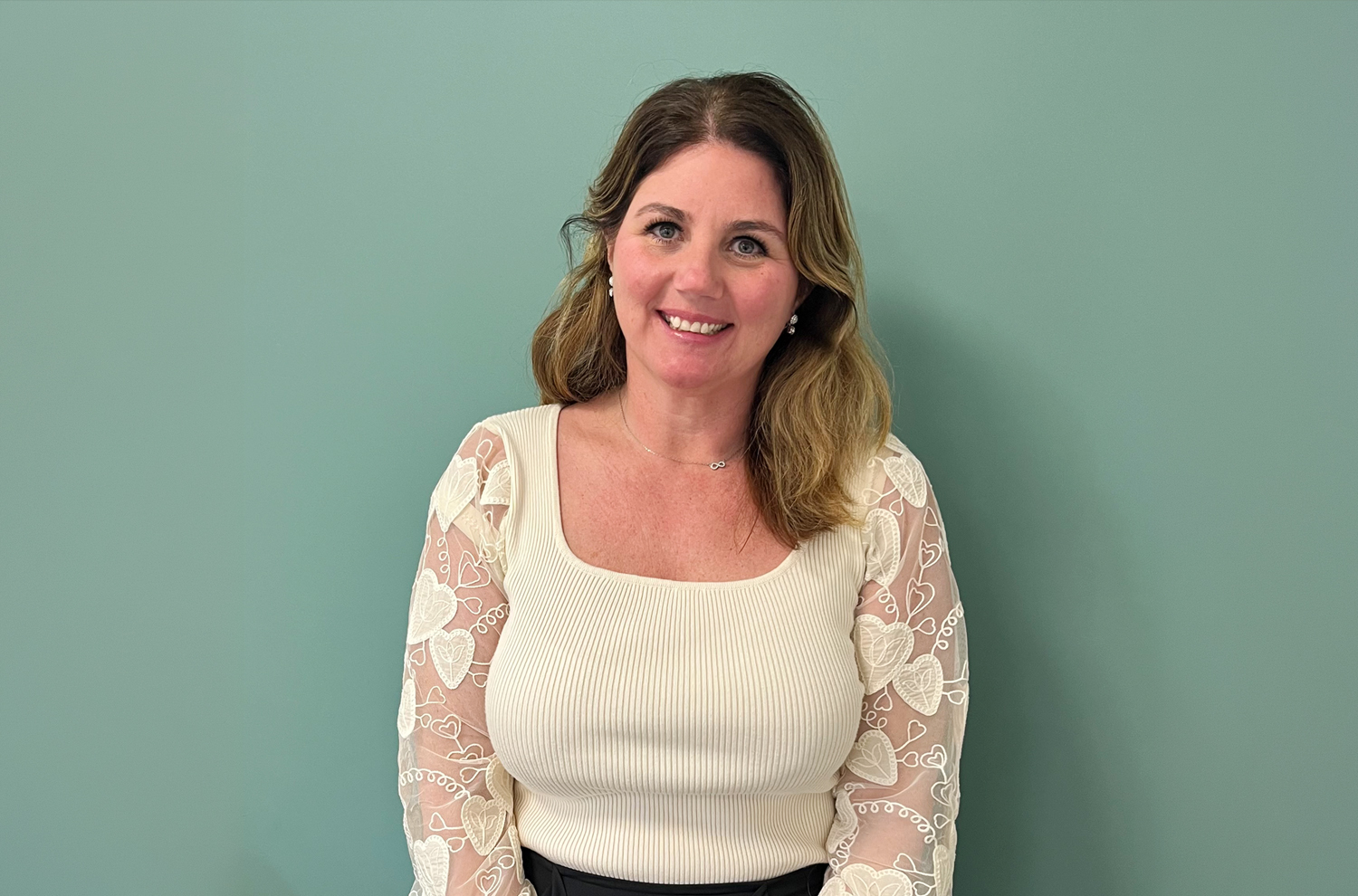
Emma Bardwell is the founder and managing director of BardWood Support Services, a fast-growing recruitment business specialising in security and facilities management. Driven by a desire to create flexibility for her young family, she left her career in recruitment in 2015 and began building her business from the ground up, with two daughters aged two and five and no guarantee of where it would lead.
Known for her hands-on approach, sharp commercial mindset and willingness to back herself in rooms full of men, Emma has since partnered with some of the UK’s leading facilities management providers and expanded her operations internationally, including setting up a 24-hour operations centre in India. What began as a way to be at the school gates has grown into a well-oiled, multi-location business with a trusted partner at the helm alongside her.
In this episode, Emma shares the honest story of building BardWood from nothing, navigating a traditionally male-dominated industry as a woman with two small children and the guilt that came with those early years of phone-in-hand, always-on entrepreneurship. She also reflects on what her daughters actually remember and what it has meant for who they are becoming.
Conversation Highlights:
- How Emma spotted a gap in the security recruitment market through a chance Facebook conversation and went from zero to her first major client in a matter of weeks
- Why she made the bold decision to leave her first business relationship behind to pursue an industry accreditation that would open much bigger doors, with no client waiting on the other side
- The reality of those early years of growth, from managing three phones and spreadsheets at her grandfather’s hospice bedside to filling shifts on Christmas Day while her daughters opened their presents
- Why being a woman in a male-dominated industry turned out to be a breath of fresh air rather than a barrier and how her honesty, hunger and can-do energy set her apart from the egos in the room
- The moment she realised she needed to bring in a business partner and how handing over control to someone she trusted transformed both the business and her capacity to be present for her family
- Setting up a 24-hour operations centre in India and why trusting her partner Nilesh to make it happen was one of the best decisions she ever made for the business
- The identity shift from founder and micromanager to strategic leader and ideas generator and why that transition was as hard as it was necessary
- Her honest reflection on mum guilt, being physically present but mentally elsewhere and why the early years looked very different to the flexibility she had imagined when she started
- What her daughters, now 17 and 19, actually remember about their mother’s years of building and why it turns out they don’t remember her being absent, they remember her being busy
- How watching their mother build a business in a man’s world has shaped both daughters’ belief in what is possible for them as women
Listen If You’re:
- In the early years of building a business alongside small children and carrying a heavy load of mum guilt about the moments you are not fully present
- Considering entering or already working in a male-dominated industry and wondering whether your gender will work against you
- At a point in your business where you know you need to bring someone in to help you grow but struggling to let go of control
- A mother who worries about the impact your ambition and busyness might have on your children in the long run
- Someone who needs to hear that things take time, that mistakes are part of the process and that gut instinct is a legitimate business strategy
- Ready to hear an honest account of what building a business from nothing over a decade actually looks like
Favourite Quote for Mums in Business:
“My girls don’t remember me being absent, they just remember me being busy.” – Emma Bardwell
About the Guest:
Emma Bardwell is the founder and managing director of BardWood Support Services, a recruitment business specialising in security and facilities management with operations across the UK and an international support centre in India. Having started the business in 2015 with two young daughters and a background in commercial recruitment, she has grown BardWood into a trusted partner for some of the UK’s leading facilities management providers. A mum of two, Emma is a passionate advocate for women backing themselves in industries where they are still the exception rather than the rule.
You can connect with Emma Bardwell on LinkedIn.
About the Host:
I’m Victoria Phipps – a Mum of two, analogue family photographer, charity co-founder, photography business educator, marketer and now podcaster! My career has wandered all over the place and is becoming a bit of a complex tapestry as I head into this middle phase of life, but I can honestly say I’ve loved every minute of it so far.
I was raised by a nurturing Mother and an entrepreneurial Father and have inherited traits from both, so the tension between ambition and motherhood is one I grapple with on a daily basis! I’m fascinated to hear the stories of other women on a similar path, who are striving to build thriving businesses whilst being present for their children. It’s a tough juggle, but I hope the conversations shared on this podcast help Mums in business feel less alone and inspired to keep going in pursuit of their dreams!
If You Enjoyed This Episode:
Please subscribe, rate and review the podcast – it helps other mums find us!
Share in your Instagram stories, tag @mummeansbusinesspodcast and let us know your biggest takeaway.
Share this episode with a fellow Mum in business who you feel would resonate with Emma’s story.
Episode Transcript:
Hello and welcome to the Mum Means Business podcast, where we shine a light on inspiring women who have one thing in common. When they’re not managing tantrums, homework, P.E. kits and play dates, they are busting their gut to build a thriving business that supports their family life. I’m your host Victoria Phipps and I’m figuring out how to play this game right alongside you. I’m a motherhood, family and personal brand photographer, I teach portrait photographers how to lead with print in the digital age, I’m marketing lead in the family business my Dad founded over 20 years ago and I’m “Mum” to two little girls.
If you’re a multi-passionate mum too, in need of some solidarity whilst navigating the messy middle of making your big dream a reality, then stick around. This is for you.
NOTE: This is the transcript from the original recording, rather than the edited episode so timings may vary.
Victoria (00:01)
My guest today is the founder and managing director of Bardwood Support Services, a fast growing recruitment business which specializes in security and facilities management. In 2015, she began building her business from the ground up, driven by a desire to create flexibility for her young family while delivering a high standard of recruitment within the industry.
Known for her hands-on approach and sharp commercial mindset, Emma Bardwell has successfully partnered with some of the UK’s leading facilities management providers, helping them scale quickly with fully vetted, high-quality staff. Emma is all about building businesses that not only perform well, but also create opportunities for others. And she’s now expanding into new sectors with a focus on innovative workforce solutions.
As a mum of two, she advocates balancing ambition with real life. And today we’re going to dig into her honest insights into leadership, growth, and the realities of running a company in a traditionally male dominated industry. Emma, welcome to the Mum Means Business podcast.
Emma (01:10)
Thank you Victoria, it’s nice to be here.
Victoria (01:13)
It’s lovely to meet you. And I’m so interested to talk to somebody who has built a business, like we said, in this kind of traditionally male environment. But first, let’s start with the beginning. You decided to bet on yourself and start this business from nothing. What made you do it?
Emma (01:38)
Honestly, it was my girls at the time were two and five and I I couldn’t imagine I was working in London when my youngest was born and the thought of going back when I had my second daughter and Kind of having to book off days for sports days and the tivity play that in the tivity plays I was I can’t I can’t see how I’m gonna do it So I kind of thought well if I just work for myself I can
attend all those things. I never in a million years thought I would grow it to the size I’ve grown it to. And I did manage to be at all the sports days and all the Nativity Plays but I did have my phone constantly on and whilst I would be there in person I wasn’t necessarily watching or… So I got my wish just in a different way.
Victoria (02:30)
Yeah, that’s interesting. That’s something we should definitely come back and talk about because there is this idea that you’re kind of getting the freedom and flexibility when you own your own business. But actually you can be there without being there. You can be present and in the room, but your head is somewhere else. And that’s something
Emma (02:53)
Yep.
Victoria (02:53)
I think a lot of people will relate to. But what made you decide to choose this industry?
What had you done before and how did that one thing lead to another?
Emma (03:03)
I’d started off in hospitality, all my family were in hospitality so naturally I went down that route but I went into a recruitment company to look for a new job and I see the buzz in there, obviously this is back in late 90s so that was when the temps would still go in the office but their time sheets in on a Friday and I just like the buzz so I literally went into Yellow Pages and went for the first recruitment company which was Admiral
Victoria (03:32)
Okay?
Emma (03:32)
sent a CV in and they were like yeah yeah come have a chat had a conversation with them because I had hospitality experience I knew the kind of people I’d be recruiting and it went from there really and then obviously when the girls were born I was actually in commercial recruitment at that stage and I just thought I love recruitment I’m happy doing sales I love like the interviewing people
So naively I guess I just thought well I’ll just do it for myself.
Victoria (04:05)
Yeah, and did you see kind of gaps when you were in employment, like ways that you could do it better or do it differently that kind of spurred you
Emma (04:14)
I
Victoria (04:14)
on with that?
Emma (04:16)
think what it was, I was working for a different company at the time and wherever I worked in bigger companies I’d never really seen any of the payroll or how they fund an agency. But when I worked in this smaller company I kind of see what they were doing and I’d just won them quite a big contract and at that time I was only doing three days a week.
So I think I was thinking to myself, well, if I can do that for them, and now I know what’s going on behind the scenes, surely I can just do it for myself.
and I didn’t, you know, I was just going to be a generic recruitment agency, I was just going to go for whatever opportunity I could see, it just so happened security, I had a friend who works in the industry and he put something on Facebook that his company was recruiting for security officers, so I just got in touch with him and said well I can do this, I’ve got my own business and he did put me in front of his MD and his MD said look I’m not denying you can do recruitment but do you understand the screening and vetting with security officers?
And I was like, no, but I can learn. So he gave me three weeks and then I went back and said, yeah, I understand. I showed him all the application forms that we’d adapted and changed. And yeah, the rest is history. Then I spotted a gap. That’s when I spotted the niche within the security industry. There’s lots of recruitment companies out there. There’s lots of security companies, but there’s not necessarily a middle person. And I made myself the middle person.
Victoria (05:44)
And so it sounds like you went into this quite confidently. There would be a lot of people, and especially I’m thinking of you as a young mum, so you’ve got a five-year-old and two-year-old. Right now, I have a five-year-old and a three-year-old, so exactly where you were. And just kind of coming out of that maternity period, like you’re coming out of those baby trenches.
and your kids are starting to get really fun, but you’re kind of, I guess, recalibrating. And there’s a big identity shifts that comes when you become a mom. And it can kind of dampen your confidence because you spend a bit of time out of work. And like you said, you’re looking at your job and you’re thinking, well, I’ve got this employer and they’re not gonna let me go and see every nativity and every sports day. And…
you can see where the problem lies, that going forward, this isn’t gonna work and give you that flexibility you want. But did you have any one model to you what it means to start a business? Did you have anyone guiding you and mentoring you? And like, what was your confidence level like at that point?
Emma (07:00)
My dad has owned his own business so I got to watch that. So my dad was good that he could guide. My dad was quite worried for me. He felt that you know it’s best to be employed because he didn’t want me to take on the stress. He knows what comes with it. My father-in-law was very pro you can do this you’ve got because during my maternity leave
I took on a few little extra jobs as well. set up like a little cleaning round just to try and keep a little bit of extra money coming in. And my father-in-law sort of recognized that I’ve got this entrepreneurial spirit and he was the one who was very much behind me saying, you should give it a go, give it a go. And then my husband, he’s very, you know, of the two of us, I’m a little bit more confident.
his job at the time, he was struggling, so we just sort of made this decision, well, let’s see if I can do it. I love my job, I was always very good at it, I done well in recruitment, so it just sort of made sense that I was gonna be the one to have a go and see where I took it. And we just, wasn’t scared, I was always very much like, well, if it doesn’t work out, my husband’s there, he’s got his job, and I can just go back to London. So I think that’s where…
I just didn’t have, I wasn’t scared, it wasn’t all relying on me.
Victoria (08:19)
Yeah, you didn’t feel like you had too much to lose. Like all those skills
Emma (08:24)
Yeah.
Victoria (08:25)
that you had before were still gonna be there. In fact, those were the exact skills that you were trying to take forward with you into this other business. So you’d be still practicing them all the time. And
Emma (08:34)
Yeah.
Victoria (08:35)
that was always there to fall back on. And I think that explains. And also just to have people who believe in you, I think is so important, like your father-in-law.
Emma (08:44)
Yeah.
Victoria (08:45)
And it’s interesting that your dad
was worried for you. And I think, you know, our dads, my dad’s the same. was, he’s always been self-employed. He’s had a number of businesses and they, there’s something about dads and their little girls, isn’t it? You know, they do see the strain that comes with running a business. And I don’t know about your family set up, but my parents had very traditional, still do have very traditional roles. You know, my dad was able to go and do all the things that he
did in business because my mum would have his dinner on the table at 5pm. Whereas
Emma (09:24)
Yeah.
Victoria (09:26)
those roles in family life are kind of recalibrating at the moment. And so there is a danger that, you know, their daughter could go off and try and do all these entrepreneurial things and still feel the pressure to have dinner on the table at 5pm and just completely burn out doing it all. And perhaps he was trying to protect you from that because you had such young children as well.
Emma (09:47)
Yeah, he definitely was. I think just because I can be quite naive to things. I’m very much like, yeah, I can do that and just do it. And then there might be issue afterwards. But then as soon as I started doing it and I picked up my first client, he very much gets behind it. He always says that he, you know, he should be a member because all the advice he’s given me over the years. And I come from a family of
Victoria (10:08)
It’s thank you and nboys.
Emma (10:10)
just we knew nothing but work. My mum and dad both had full time jobs.
They had a little business that they did over the weekend which used to pay for our holidays and then my dad opened his own company. So I kind of didn’t know any different, I just thought it was always going to be the man and woman both working. I never thought that I would be able to sit at home or anything like that.
Victoria (10:30)
Yeah, yeah. Okay, so tell me about those first few years and what that looked like. You kind of, you’ve been on Facebook and made this contact. You’ve got, presumably that’s your first client. You proved that you could get your head around all of the kind of behind the scenes checks that needed to happen for the security niche. And so how did it evolve?
How did you go from one client to two to three? How did that all work?
Emma (11:07)
So what happened when I was working with this particular company, at one point they asked to actually go into business with me, which I did. But then I kind of realized it was holding me back because there’s a certain accreditation that you can get which would open bigger doors for me. So then I kind of said goodbye to them and then went on my own with a…
business investor I would call it, would say more of a partner investor because I did all the work, he was just there to support and he helped me get the accreditation. Once I got the accreditation, I mean it was a bit of a gamble because I had no client waiting for me, I just had a feeling that I was going to do better and then as soon as I got the accreditation I literally knocked on the first door which happened to be a good big FM company.
and it went from there, just expanded and it went crazy and within a few weeks I think it was me and one of the girls that worked with me, Kelsey, who’s still with me today, we had to get some apprentices in because I wasn’t in a position where I could bring big wage staff in but I brought some apprentices in and then we were just working round the clock because with security it’s 24-7 and you’ve got officers working through the night, they won’t think anything of just texting you to say what day do I get paid again?
Victoria (12:30)
Yeah, yeah, there’s no boundaries.
Emma (12:32)
So yeah, I would walk around with my laptop, with a spreadsheet and with a book as well, just highlighting who was working, when they were working. If I had a blowout, I’d have to go to my phone. I had three phones at one point and I’d be sitting there. You know, one of the worst situations really was my granddad was in a hospice and I was sitting next to him, ringing up people going, can you work tomorrow? But my
Victoria (12:56)
Yeah.
Emma (12:56)
granddad would have been happy for me to do that because his motto would have been, no, you don’t stop working just because I’m not well.
So, you know, when I think back, think, God, that’s so bad. But it is what it is. It’s what you’ve got to do as a business owner.
Victoria (13:10)
Yeah, and it sounds like you have come from a long line of grafters. Is that right?
Emma (13:20)
Yeah, definitely, yeah.
Victoria (13:23)
And so they understood and probably they were proud of you that you, sounds like this just took off very, very quickly. And
Emma (13:33)
Yeah.
Victoria (13:34)
you had to sort of grow a team quite quickly to support you because, you know, when you first have this idea, it’s just you in your head thinking I could do this. And then actually the reality, you’re thinking, well, how am I going to get work? And you get that first client, you have that kind of business interaction with them.
you realize quite quickly that there’s more and it sounds like you had this instinct all the time that kind of you were meant for more, you could do more and that this relationship was limiting you. But then once you’ve got that accreditation, you’re flying. And what was that
Emma (14:09)
Yeah.
Victoria (14:10)
kind of period of growth like? It sounds like there was just a really heavy demand on you when your kids are still really small. How did that kind of work and impact your family dynamic?
Emma (14:22)
It was crazy if I’m honest when I look back I sometimes think how did I do it? I’m very lucky both my in-laws would look after my children My mum would have my girls so there was a lot of juggling around of their childcare one of my great auntie she would have them So I was lucky in that respect and I know how lucky I was but You know the end of the day they’re not well they wanted their mum
Victoria (14:47)
Yeah,
of course, yeah.
Emma (14:48)
and
I tried to keep my office local to where their school was. I mean there were times where the girls who worked in my office would go and pick them up from nursery or school and just bring them back to the office because I had to go into a meeting. But, and I do look back and I think, you know, I wonder how that’s affected my girls and it was one of the things I’ve always was worried about, you know, are they going to look back and be like, where was our mum? But now I ask the questions and they don’t really remember it. They remember me having phones.
They remember me up, they’re going shh shh, because I’d have someone on speakerphone in my
Victoria (15:18)
you
Emma (15:21)
car. But they don’t, they don’t really, they don’t remember me being absent. They just remember me being busy.
Victoria (15:31)
Yeah, so in that moment, in those early years, you’re, and you know, any, I always say it like, any startup requires energy. You can’t do it otherwise. You need to give it time and energy and care. And it was a non-negotiable. You had decided and committed to this business. This was the route you were gonna take. So the energy has to come.
But did you feel guilty in the moment when you’re asking someone else to go and get your kids from school?
Emma (16:08)
Yeah, I’d feel guilty, I remember as well, like, of a weekend. My husband would have his family round and they’d be out in the garden playing with the girls and I’d be up in my bedroom just on the phone trying to feel shifts or if there was a blowout trying to deal with that, dealing with any of the stress. And there was times where I’d feel guilty. I’d feel a little bit like, this isn’t fair. But then I’d get the buzz for it again and…
Victoria (16:39)
Are you connected? Because I can still see you and hear you.
Emma (16:41)
Oh,
sorry, yeah, I don’t know what happened there, it just went… erm… sorry! Actually… Oh God!
Victoria (16:46)
It’s all right. You got
the buzz for it again.
Emma (16:50)
Yeah, you get the buzz for it. I do remember there was a really hot day when I was out in the garden playing and I was stuck in the bedroom. There was a few occasions like that. Christmas Boxing Day. on Boxing Day I’d have go into London to do some check-ins because we’d have a lot of our officers working in retail. So I would be up Boxing Day at 5am to go and meet these officers and sign them in. So obviously Christmas Day I was a little bit more restricted on what I could or couldn’t do.
and my phone would be ringing because I’d be reconfirming everyone for the next day and I’ve got two little girls there opening their presents and I’ve got a phone in the hand. So yeah, there was lots of guilt, lots and lots.
Victoria (17:33)
But in terms of your identity, I think so many moms will relate to this, Gil. I’ve certainly felt it. And there are normally like, even now, I’m still kind of in it. And there are moments that I think I’m gonna remember this. And because you’re trying to be present with your kids and you’re taking the phone call, you feel like you’re not doing anything well. Like you’re half in both camps and it’s a horrible feeling. And there’s a lot of talk about boundaries.
and about you separate and distinctively sort of transition from one thing to another, from work mode to mum mode. But it’s not always possible. And I think in your situation, you weren’t at the stage where you had someone else to take those calls and you’re in the early stages of building and it had to be you and it had to be Christmas day. And that’s why I think it’s so interesting to
get your view on it now, because there’ll be a lot of mothers like me who do have those moments where they feel like I just have to send this email right now. And there are times when you feel like you have to send it right now, but you don’t really, but you’re just trying to clear your head because you’re overstimulated
Emma (18:48)
Yeah.
Victoria (18:49)
as well, because you don’t have that definition between these two parts of your brain that you’re using.
and probably there’s lots of noise and people asking you too many questions and you just feel like you’re being pulled in every which direction.
Emma (19:02)
Yep.
Victoria (19:04)
And so women will relate to this, mothers will relate to this. And it’s interesting to get your view on it. Now your children are older. So your girls are 17 and 19, is that right?
Emma (19:16)
Yeah.
Victoria (19:18)
And the fact that they don’t really remember it is important. So they remember that you were busy. Do you think that they have been impacted by the fact that their mom is a successful businesswoman? How do you think that that’s played out for them? And how might that impact their life choices?
Emma (19:41)
I think it’s made them… so they don’t look at it and think that they’ll be restricted with anything. They believe as girls, as females, they can do what they want because they’ve watched me. So my eldest has just got herself a job in London.
She really worked hard for her A levels because she believes she wants the life to carry on. She wants a nice life, she wants to work hard, she doesn’t know any different. She jokes with me that maybe one day she’ll take over the business. yeah,
Victoria (20:15)
Hehehe.
Emma (20:17)
all the things that I used to worry about, all the things like, they’re going to hate me, they’re going to think she was working all the time, they’re not going to remember me being around.
None of that. And I think as well, as the business grew and I got more people in to help me, I got a little bit more time back. So when they were teenagers, I was home at three o’clock and I could sit at the table and talk to them or I could go and take them to appointments or whatever they needed. They got more time with me in their teens than they did when they were little. But actually that probably worked better because they needed me more in their teens.
Victoria (20:54)
Yeah, and I think there’s this kind of sense that, you know, of course they do, know, babies need their mom, toddlers need their mom, the early years, but that is quite a physical need. You know, they need to be held by you.
Emma (21:09)
Yeah.
Victoria (21:10)
They need to be in proximity to you. But we kind of almost underestimate the emotional labor of raising teenagers and that actually the presence then is
is just as important because you need to be around for those moments when they do feel like sharing a problem with you, or they do.
Emma (21:34)
Yeah.
Victoria (21:34)
And if you try and force that in your moment when it’s convenient for you, that, you know, they’re teenagers that might not fit, whereas actually just being in proximity at that stage and just, you know, you’re getting to know them and you’re, you know, you’re guiding them through a really, really tricky
stage in their development. And you’re right, they need their mum just as much and in some ways more than they did when they were little. And it sounds like they’re really proud of you.
Emma (22:06)
Yeah, I believe they are, yeah. Yeah, they definitely are. And I think, yeah, I’ve got a nice bond with them. I used to worry they’re not going you know, they’re spending a lot of time with their nans. Are they going to prefer their nans to me? Their aunties? So I used to worry and I think, fortunately, the teenage years is possibly where all those worries went because I could be more present with them. Obviously, I was still busy. I’m never not busy. And sometimes I do have to travel for work. But generally…
Yeah, they’re not affected by it. They’re both very grounded. They want to be career women. I’m sure when they have their own children, they may do it differently, though. They may look at what I did and think, no, in the early years, I’m going to stay off on maternity leave for as long as I can. It might be completely different.
Victoria (22:58)
but also they’re different people to you. And there’s
Emma (23:00)
Yeah.
Victoria (23:01)
something about, do you feel like when you were in the early phase of motherhood that you actually needed that for yourself, the business building, like you needed something that was you and not mum?
Emma (23:18)
Yeah, definitely, because I think you can lose your identity. And when I had my first daughter, I didn’t have many friends at the time was having children. So a lot of my friends were still going out. And I was at home with this baby. And before I’d had Lily, I was just starting to do really well in my career. So it was a bit like, oh, you’ve come along at a time where I was moving up the ladder, my friends are still going out. So I kind of didn’t know.
where I was going and I think actually when I had my second daughter I fell more into the role of being mum but there was something missing for me and I think the business just filled that gap.
Victoria (24:01)
Yeah, and actually…
Emma (24:01)
And there was talks of having baby
number three, but I think the business became baby number three.
Victoria (24:08)
Yeah,
and that’s okay. In a lot of ways, personally, I relate to this. I feel like I’m a better mum when I have this stuff for myself. And actually without it, like you say, it does feel like there’s something missing in terms of your own expression as Emma or as Victoria. Especially in the early years.
you’re kind of performing so many repetitive functional roles in motherhood. And there are just parts of your brain that you need to fire up. And I think if you can scratch that itch and if it for you, it’s business building, then lighting up those, firing those parts of your brain helps you to bring a better version of yourself to the table when you do go into mom mode. I definitely appreciate that.
Emma (25:03)
Yeah, definitely.
I remember being on maternity leave and I’d go round my in-laws and I’d be sitting with my father-in-law and mother-in-law and they’d like, well, I feel like need to do something, I need to do something. Maybe I could be a window cleaner, maybe I could do this, maybe I could do that, just because I just couldn’t sit still. So,
Victoria (25:21)
Yeah.
Emma (25:21)
and then I channeled my energy into something that I was good at because I enjoyed my job and thankfully I chose that and not a window cleaner.
Victoria (25:29)
Hahaha!
Yeah, probably more scalable, I think.
Emma (25:35)
Yeah.
Victoria (25:38)
So tell me about your early experiences of entering. You didn’t choose window cleaning, you chose recruitment and you chose to niche down into this, it is a male dominated environment, security services and facilities management. Broad brush speaking, there are a lot of women that would look at those things and think they’re a bit dry, but.
you saw the potential and you went for it. But what was that like? You know, we’re going back to 2015 to kind of be a woman in those spaces and to be boldly starting your business and trying to build it. What’s your reflection on that now?
Emma (26:30)
If I’m completely honest, I think I was a breath of fresh air to the industry because I remember sort of going to meet the clients and they just, I don’t know, they were just very taken in by me and at one point on one of our clients, we used to base ourselves up in London once or twice a week to do a lot of our recruitment days and we’d get speaking to everyone and we’d be invited out for lunch with them, for drinks. I think I came along at a time when
Yeah, think they, I don’t know, I was welcomed with open arms because…
A lot of the people that you deal with in the industry as well, a lot of guys that own their own security companies who work with these big companies, again they’re all men. So when they’re having these big meetings and they’re all discussing, they’ve just got mouth on mouth. Then I go in there with my crazy ideas and what I think I want to do and all my energy and I just think they loved it. And even now when I go out, know, a lot of the time it would just be me with lots of men and…
they just seem to absorb what I’m doing. So, you know, I’ve never been treated badly or anything like that. I’ve always been, I think it was the right move for me.
Victoria (27:44)
Yeah, yeah, and you are distinctive and memorable just by your gender in that environment.
Emma (27:54)
Yeah.
Victoria (27:55)
And it’s something different and you’re bringing a different energy to the table. And I think, did you find that there was a lot of kind of, you know, limited, I’ve got limited experience of the security industry, but things were done a certain way.
and it’d always been like that. And you were able to kind of go back to first principles a little bit when you’re growing your own business and sort of question some of those procedures, like, well, why don’t we do it this way and why don’t we do it that way? When actually it had perhaps stagnated a little bit.
Emma (28:31)
Yeah, definitely and I think just obviously it was recruitment and at the time when I first started there was a big project that they had going on so rather than me just be the face behind the phone I would go to the offices and recruit and get so I would do the initial bit of recruitment then I would pull the managers in and say like meet these guys and I think they used to be like well that doesn’t normally happen we just normally sent loads of profiles and then we have to deal with it whereas I’m like
you don’t need to meet these two, can you just say yes or no? And that was it. So I became an extension of their business. I think, yeah, and I think it was a bit like, right, and then it was a case of, okay, I need to introduce you to this person, this person, this person. And then that’s when it just expanded. And some people thought I was absolutely crazy because I would go in and be like, they would just say, can you cover nationally? And I’d be like, yeah, I didn’t, I couldn’t.
Victoria (29:26)
You
Emma (29:28)
I would just go, yeah, of course I can. And then they’d go, oh, you know, where is such and such? I’m like, ugh. But then I would always be honest and just say, let me go and look at it. If I can, I will. If I can’t, I can’t. Ah, I wouldn’t sit there, of course I’ve done this, I’ve done that. was just like, let me go and look at it. Firstly, let me suss out where it is. And then if I can do it, I will. And I think they like that honesty as well, because I didn’t sit there saying, I know everything, I can do everything, but I can definitely go and have a look into it.
Victoria (29:55)
Yeah, it’s like a balance of being confident and having that just naivety, I think. Like, yeah,
Emma (30:03)
Yeah.
Victoria (30:03)
I can, because you just, sounds like you just innately believe you can do anything and you talked about your girls, like that’s what you’ve modeled to them. You know, you can do whatever you want to do. And that’s really powerful. And so you bring that to the table, like I can, I can do anything, but I need to look at the logistics of it.
So I’m not gonna commit to it. I’m gonna go away and look at it. So you’ve got that kind of positive energy. Like I can, anything is doable, but I’m gonna go and look at it. So you’re meeting that with the honesty. And I think
Emma (30:40)
Yeah.
Victoria (30:41)
that was probably quite infectious, that energy, because it’s just that can do, traditional can do attitude that you’re not
Emma (30:47)
Yeah.
Victoria (30:48)
kind of putting limitations in there.
Emma (30:50)
And I think as well, and I’ve seen it myself, a man selling to a man, there’s always egos. And they want to tell them their business is better than what it’s actually doing. Whereas with me, I’ll just be honest. Yeah, I’ll have a look at it. Hopefully I can because I want to, because I want to grow, I want to expand. But if I can’t, you know, I’d just sit there and be like, yeah, of course, yeah, I’ve done that already. I didn’t do anything like that.
Victoria (31:15)
Yeah, so you’re not misleading and you’ve got that integrity there,
Emma (31:19)
Yeah.
Victoria (31:20)
but you’re hungry for it. And
Emma (31:22)
Yep.
Victoria (31:22)
I think that’s the bit that would have helped you sell really, you know, that you have that enthusiasm and that you’re gonna do the work you’re willing, you’re gonna do the work and you’re willing to kind of stretch yourself as well and stretch the business as much as is reasonable and sensible at whatever stage that you’re at.
Emma (31:42)
Yeah.
Victoria (31:43)
I can totally see how it would be refreshing to work with you at that point in that industry and probably still today because, you know, it’s just personality as well. You know, there’d
Emma (31:55)
Yeah.
Victoria (31:55)
be so many people that would kind of like you say, all speak the same or bring their ego to the table or kind of have similar experience and you’re just bringing a different viewpoint all the time. And I think that probably explains
why you were so successful. And it’s, it’s, you know, a USP, not just because of your gender, but just because of that hunger as well. And that you’re not afraid
Emma (32:22)
Yeah.
Victoria (32:23)
to go into that space because I do think there were a lot of like male dominated industries that can feel quite intimidating. Even if like you say, you’re not necessarily treated badly, but you just feel like you’re the odd one out. And you didn’t let
Emma (32:39)
Yeah.
Victoria (32:39)
it phase you and you plowed on.
because you could see that there was space for you and space for your business. And I love that. Yeah.
Emma (32:46)
Yeah, definitely. Yeah, definitely.
Yeah. And I think, you know, even now I employ men. One of the guys that I’ve got, he’s, you know, he’s a partner of the business. And I, at that stage, I’ve never managed at all, you know, obviously I’ve managed apprentices and so then to bring in a professional person who I had to manage, that was a whole new ball game.
Victoria (33:11)
Mmm.
Emma (33:11)
But we’ve, you know, we’ve, we’ve learnt to work together and now we are.
we bounce off of each other. So it’s just weird how the dynamics have had to change from being completely kind of on my own to now with a partner that wants to be there who works really hard. But his view on things is completely different to me. He thinks I’m very fluffy and soft. I think he’s a little bit too harsh, but it works. It took a while to get there.
Victoria (33:40)
Yeah, it’s the yin and yang and they say, you know, shouldn’t, especially when you’re choosing kind of the key players in your team, that really it’s sensible to choose people who are different to you, have a different
Emma (33:52)
Yeah.
Victoria (33:53)
outlook or a different approach. And then you’ve got this kind of balance of yin and yang. So talk me through that moment in your business when you realized that you needed to bring in
these key players to support you. And when the company was growing to the extent that you could justify it and you can afford it financially. And that shift in your role from doer of all things to manager of people. What was that like?
Emma (34:25)
hard, very very hard because I would say up until that point I was definitely a micro manager and I needed to know everything that was going on I would be watching this, doing that, I’d be on the phone, I’d be filling the shifts, I would be doing everything and then when I bought Nileshin he was one of my clients so I kind of knew of him anyway and he was like he went Emma let me just observe for a couple of weeks and then we’ll sit down and we’ll have a chat
So when we had the chat, he was like, I think this is where we need to make some changes. We need to do this. At first I was like, what? But he was so right
Victoria (35:02)
You
Emma (35:03)
in what he was saying. And then we was like, OK. And then what I loved about it was I wasn’t on my own anymore. I had someone who wanted to do this with me, who had the same vision. And that’s a really weird feeling. It’s a nice feeling. But it’s also a bit like,
I can share my ideas now and also I’d come up with things and I wouldn’t always necessarily know how to make them happen because I’d get dragged into something else. So with Nilesh it was like, Nilesh I’ve got this crazy idea and he’d go okay and then he’d just go and make it happen and
Victoria (35:39)
Mm.
Emma (35:40)
that was weird but I’m so glad I did that because otherwise I don’t think I would have been able to scout.
Victoria (35:48)
Well, that’s the thing. And it is kind of a really key identity transition from like founder. And as you said, micromanager, probably perfectionist,
Emma (36:01)
Yep.
Victoria (36:02)
probably feeling like no one else can do anything quite as well as you’re going to do it. And that control element, because like you say, this is your third baby. So it’s important.
Emma (36:12)
Yeah.
Victoria (36:13)
And you’ve invested so much time and energy into it. And the idea.
of outsourcing these really important tasks to somebody else. I’ve never gone through this, but I just imagine that that feels really challenging in the moment. Like that first conversation that you describe and he sits
Emma (36:30)
Yeah.
Victoria (36:30)
down, he’s like, these are the things I think we need to change about your third baby. And you’re like, whoa, you basically want to throw them out the room being like, why are you saying this stuff?
Emma (36:38)
See you.
Victoria (36:38)
But then you go away and you tumble it and you’re like, my God, they’re absolutely right. And
Did it feel like a relief once you kind of settled into that? And like you said earlier, you were able to claim some of your own time back and be a bit more present with your kids as they were teenagers.
Emma (37:02)
Yeah, I think the timing was perfect because when he joined we were having some personal issues as well. We had my father-in-law got cancer, my nan, my mum. So everything was happening at once. So it was like, you know…
I needed to be home a little bit more, a bit more supportive of the family, be around for appointments. So when Ylis joined, it kind of freed me up to be able to be a family member again. And then, you know, and those when…
Yeah, because at that stage I just wasn’t around. know, I there for the girls, I was trying to do what I could, but I wasn’t really there for the wider family. So that helped with that situation, because I think I would have looked back and had some big regrets had I not been able to have that time. And then, and then yeah, I think then the way we’ve kind of worked together, we, it just was so nice to share something with someone and we, we,
Because it is 24-7 security, was just getting too much. So one of the ideas we had was to open an operation center, which would be a 24-hour support center. But to do it, it would be more cost effective if we did that in India. Now, that would take six weeks to set up. And I don’t want to leave my family for six weeks, but I know it’s the right thing to do for the business.
but Nilesh was happy to do that and he went out and he set that up and his sister-in-law has run it and she has done for eight years. And it was the best thing for the business because everyone in the UK office at the time was taking it in turns to do sort of duty manager and it was too much. So then we could hand that over and then we had this infrastructure. And then when we start telling other clients, yeah, we’ve got an op center here.
people were interested so it allowed us to grow and had I not took Nilesh on that would never have happened I would I just couldn’t have done it.
Victoria (39:05)
Yeah, and this is where we kind of have to acknowledge that those mindsets of, you know, doing everything yourself. And of course you had a small team around you, but all those big strategic decisions. And it sounds like you’re really in the role now of like bringing the ideas. And it’s that entrepreneurial piece that you’re kind of comfortable.
And working in your zone of genius, if you’re high level and looking at everything strategically, and actually what you really needed and what you found was the right person to actually bring those ideas to reality. And you would have felt quite frustrated if you hadn’t taken that leap. And actually it’s about trust, isn’t it? Finding the right person that you trust.
and that you
Emma (40:03)
Yep.
Victoria (40:03)
feel is as engaged in the mission of the business as you are to go out and actually make those ideas happen operationally.
Emma (40:16)
Definitely, because if I didn’t trust, you know, obviously…
I can’t watch every single thing that happens, know, setting up in India. I couldn’t necessarily be there for that. The laws in India, you I had to really heavily rely on Nilesh and what he was learning along the way. And obviously he would bring it all to my attention and go through it with me. But I thoroughly had to put my trust in, into him that he was doing the right thing by me and by the company. And I’m so glad I did because it was the right thing. 100 % it was the right thing.
Victoria (40:48)
Yeah, and it opened more doors for you and gave you more capacity
Emma (40:51)
Yes.
Victoria (40:51)
and meant that you didn’t have to kind of navigate a 24 hour team here in the UK and all of those night
Emma (40:59)
Yep.
Victoria (40:59)
shifts and all of that because that’s so much pressure when those people presumably had other areas of their job that they were trying to fulfill at the same time.
Emma (41:08)
Yeah.
Victoria (41:10)
So tell me about your stance on overthinking because it sounds like you don’t do too much of it.
Emma (41:19)
you
Yeah, so I think in the early days when I decided to do it, certainly didn’t. I just didn’t look at the risk. I didn’t. I just was very much of the opinion of if it goes wrong, Ross, like, Ross, my husband, he’s working, so it’s fine. So. And we made some big mistakes along the way, and there’s a few times I was thinking, am I going to survive this? But.
Yeah, but I’ll look at something and I think, if I get a gut feeling that this can work, I try not to overthink it or try to overanalyze how or what. I kind of just…
do it or get my idea out there and then we go and make it happen. I do overthink in other respects of the business. Once you’ve got it to where you want it and you still want to grow, you do start overthinking because you’re thinking I’ve got to give up bit more control to allow it to go bigger and bigger and that’s where I’ll overthink. In terms of fresh ideas, risk, I try not to overthink it because I always just think…
What we will be, work hard. I know I’m a good person, so if it goes wrong, I’m lucky I’ve got a good foundation of people around me that we can build up again.
Victoria (42:36)
Yeah, and it’s almost, you know, that attitude of like, nothing is, not many things are undoable. You know, just try it. And that willingness to make mistakes and fall on your ass in your business, especially
Emma (42:52)
yet.
Victoria (42:52)
in those early days when you’re kind of finding your feet, you have to test stuff. And you know, you were so lucky in those first few interactions that you had with clients.
but you’re also being really reactive. You follow your instincts and you go into a relationship with that first client. And then you also follow your instinct to get out of that because you have to be constantly responding to the changing picture. And I think that’s where obviously your kind of overview of the situation and keeping in mind your goal. Did you always want this to be
a scalable big business or do you think that that’s something that has come over time and like evolved? Excuse me, evolved naturally.
Emma (43:45)
Yeah, I’d say that’s come
over time and involved. I was always very much like, like I say, the beginning, was all about just working around the girls and trying to be at the school gates and that kind of thing. And then obviously it got busy and I was like…
I was like, okay, where could I take this kind of thing? And then think Niles joining is when things changed because he was like, Emma, we can make this scalable, we can make this bigger. And I was like, you sure? It’s just a little recruitment company. And he was like, no, it can be. And then I kind of jumped onto his vision. And that’s when I say it’s weird because it went from me to being a partnership. But as a partnership, we both just was like, okay, well, this is where we want to.
want to get to so we’ll just keep doing whatever it takes to get there and we’re still not where we want to be yet and I don’t know if we ever will be but we’re we’re just giving it a good go and when I look back I don’t regret anything I possibly have times where I feel I missed out a little bit and I’ll never get that time back again with the girls when they were little but you know I’ve also along the way we’ve had some lovely holidays we’ve had like a nice lifestyle
So you’ve just got to kind of weigh it up sometimes.
Victoria (45:00)
Well, and your girls don’t hold that against you in any way. In fact, they don’t really
Emma (45:06)
No.
Victoria (45:06)
remember it. And now it sounds like you have a really close relationship and actually they have been inspired by watching you do all of this stuff. And it’s really impacted the attitude that they take as they go out into the world and make their own way. And that’s huge.
Emma (45:26)
I mean, I hope so.
I mean, on International Women’s Day, they would still say their inspiration is Taylor Swift over me. So I don’t know how I’m going to change that. And I was still like, what? Yeah. But
Victoria (45:37)
Hard to compete, hard to compete.
Emma (45:41)
yeah, no, definitely. know, like, it’s, I’m lucky. It could have been a lot worse, but I think along the way I found the balance, but it took a while.
Victoria (45:51)
Yeah, that’s, you we can beat ourselves up about these things, but that’s part of our journey, like figuring this stuff out. And it’s a constant shifting scene. And you can have all the advice in the world, but you kind of have to forge your own path with it and trust your instincts. And…
you know, coming to the point now where your girls are older and they’re about to go out into the big wide world and your eldest has got this job in London. it sounds like on the whole, it’s been a really positive thing for them to see you go out and do all of this stuff. And no parent is perfect and we are gonna all screw our kids up in our own special unique way.
Emma (46:40)
Definitely.
Victoria (46:42)
I have one more question for you before I let you go. I really appreciate you coming and sharing your story. But what would you say now if you could go back and have a conversation with eight year old?
Emma (46:58)
my god, erm…
So I was not particularly academic at all growing up and probably would never have thought that I could aim particularly higher. So probably I would say to eight year old Emma.
You just don’t know what’s coming your way and don’t underestimate yourself and have some self-confidence because it’s going to be okay.
Victoria (47:36)
Lovely. Yeah. Yeah. Tell me where everybody can find you. Where should they track you down online if they’d like to get in touch with you?
Emma (47:47)
I’m on LinkedIn. Yeah, just look for me on there, Emma Bardwell. I probably would say LinkedIn would be the best one. I’m not on Facebook. I’m on Instagram, but it’s how often I check it. So I’d say LinkedIn.
Victoria (48:03)
Perfect. Emma, thank you so much for your time today. I’ve really enjoyed this conversation.
Emma (48:09)
thank you Victoria, I appreciate it, it’s been great.