
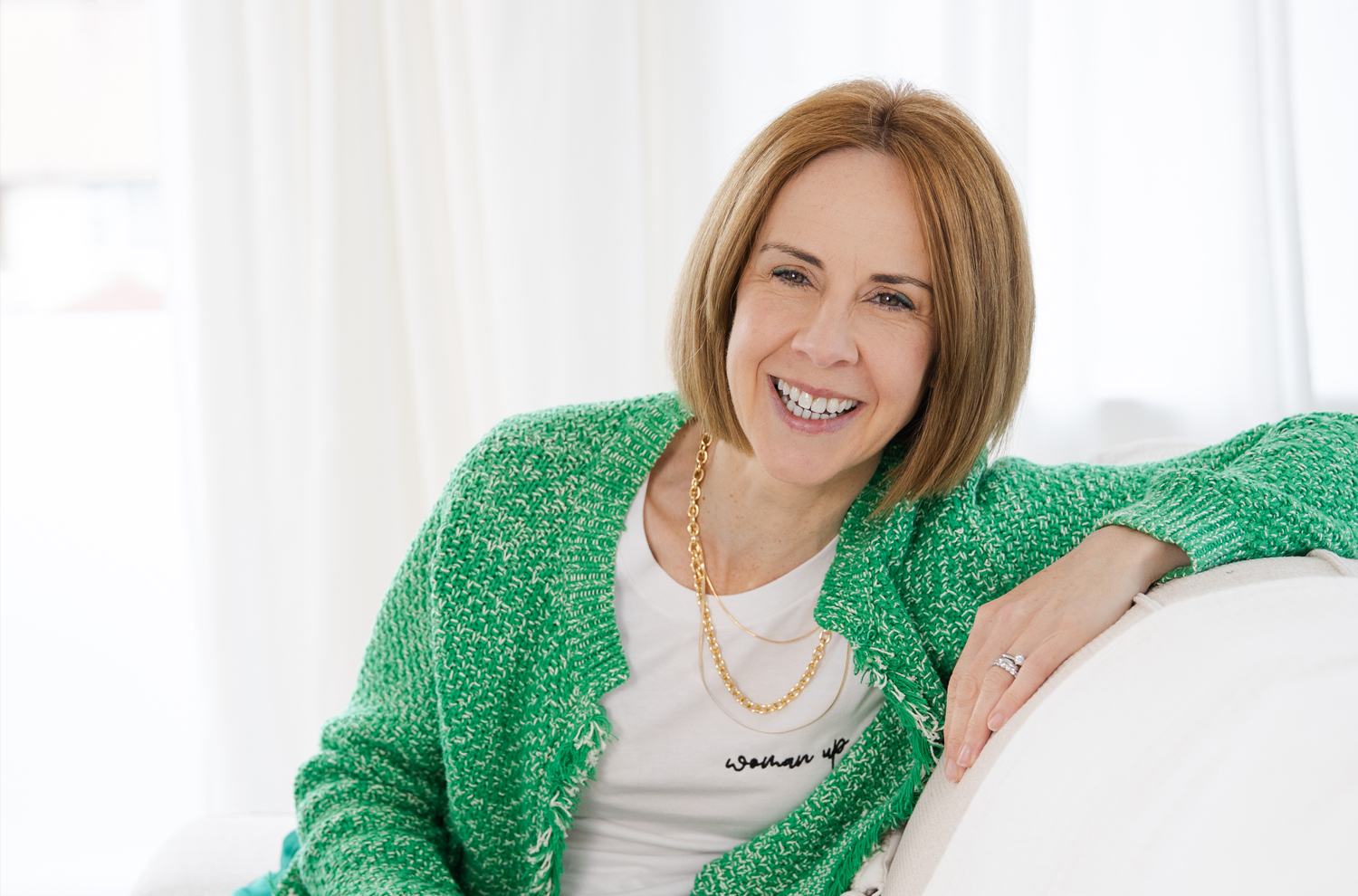
This week on Mum Means Business, I’m joined by Rebecca Hogan – a certified life coach who is passionate about working with mothers because she believes motherhood is feminism’s unfinished business.
Through identity-first coaching, Rebecca helps women clarify their values, vision and boundaries so they can evolve through every stage of womanhood with more ease, joy and confidence.
Rebecca has just published her first book Me to We: How to Rediscover Yourself and Truly Thrive in Motherhood. It guides readers through the transformative experience of matrescence and invites them to shift their mindset to reconnect with their whole selves amidst the juggle of modern family life.
Grab your copy here… https://rebeccahogan.co.uk/book
Reflecting on her book she says: “Me to We was born from my own experience of getting swept up in doing all the things for everyone else when I became a Mother. I lost my sense of self which left me feeling stressed, grumpy and at my worst angry and resentful.”
Her work validates the universal question so many mothers quietly ask: “What about me?” and offers compassionate guidance to those seeking real answers.
With Christmas just around the corner and mothers everywhere running themselves ragged making the magic happen for everyone else, this conversation could not come at a better time.
Conversation Highlights
✨ Rebecca’s journey from corporate life to motherhood to becoming a coach
✨ Why balancing career and motherhood is less about strategy and more about mindset
✨ The identity shift that happens in early motherhood and the emotional toll it takes
✨ The importance of community, connection and honest conversations between mothers
✨ Understanding matrescence and why it matters so deeply for our wellbeing
✨ What it means to mother the mother and how to cultivate real self-compassion
✨ The creative and emotional process behind writing Me to We
Listen If You’re:
✨ Feeling overwhelmed or stretched thin by motherhood and work
✨ Interested in identity-first coaching or curious about matrescence
✨ Struggling with self-compassion or the feeling of having lost parts of yourself
✨ Looking for support during the festive season, which often places increased pressure on mums
✨ Craving community, connection and more honesty in conversations about motherhood
Favourite Quote for Mums in Business
“Self-abandonment is not a prerequisite of motherhood.” – Rebecca Hogan
About Rebecca Hogan, Life Coach and Author
Rebecca Hogan is a certified life coach, writer and mum of two. She specialises in identity-first coaching, supporting women as they navigate the emotional and practical shifts of matrescence. Her work focuses on helping mothers rediscover who they are, set aligned boundaries and find more ease and self-compassion in their daily lives.
Her first book, Me to We, explores the identity transformation that happens in motherhood and offers practical tools to help women thrive rather than lose themselves in the process.
Connect with Rebecca on Instagram at @rebeccahogan_ and explore her coaching and resources at rebeccahogancoaching.com.
About the Host:
I’m Victoria Phipps – a Mum of two, analogue family photographer, charity co-founder, marketing person and now podcaster! My career has wandered all over the place and is becoming a bit of a complex tapestry as I head into this middle phase of life, but I can honestly say I’ve loved every minute of it so far.
I was raised by a nurturing Mother and an entrepreneurial Father and have inherited traits from both, so the tension between ambition and motherhood is one I grapple with on a daily basis! I’m fascinated to hear the stories of other women on a similar path, who are striving to build thriving businesses whilst being present for their children. It’s a tough juggle, but I hope the conversations shared on this podcast help Mums in business feel less alone and inspired to keep going in pursuit of their dreams!
If You Enjoyed This Episode:
- Please subscribe, rate and review the podcast – it helps other mums find us!
- Share in your Instagram stories, tag @mummeansbusinesspodcast and let us know your biggest takeaway.
- Share this episode with a fellow Mum in business who you feel would resonate with Rebecca’s story.
Episode Transcript
Hello and welcome to the Mum Means Business podcast, where we shine a light on inspiring women who have one thing in common. When they’re not managing tantrums, homework, P.E. kits and play dates, they are busting their gut to create something from nothing, to turn their passion into a thriving business and build a better life for themselves and their families. We dig into what motivates devoted mothers to pursue entrepreneurship and how they integrate their work and family life.
I’m Victoria Phipps, your host, and if you’re an ambitious mum in need of some solidarity whilst navigating the messy middle of making your big dream a reality, then stick around. This is for you.
NOTE: This is the transcript from the original recording, rather than the edited episode so timings may vary.
Victoria (00:00)
My guest today is a certified life coach who is passionate about working with mums because she believes that motherhood is feminism’s unfinished business. Through identity first coaching she helps her clients clarify their values, vision and boundaries so they can evolve through every stage of womanhood with more ease, joy and confidence. Rebecca Hogan has just published her first book, Me To We.
how to rediscover yourself and truly thrive in motherhood. The book takes readers on a transformative journey of matressence and invites mothers to shift their mindset and rediscover who they are as a whole amidst the juggle of modern family life. Reflecting on the book, Rebecca says, me to we was born from my own experience of getting swept up, doing all the things for everyone else when I became a mother. I lost my sense of self, which left me feeling stressed.
grumpy and at my worst angry and resentful. Rebecca’s work validates that question most moms have asked themselves at one point or another, what about me? And offers gentle guidance to those seeking the answers. At the time of release will be in the run up to Christmas and mothers everywhere will be running themselves ragged doing all the things to make it a magical one for everyone else.
So this conversation could not be timed better and I cannot wait to talk with you, Rebecca. Welcome to the Mummeets Business Podcast.
Rebecca (01:30)
Thanks for having me here, Victoria. Absolutely love the podcast and thank you for such a wonderful introduction and such a great summary really of what I do and of what Mums are going through, right? And yeah, whole motherhood is Feminines Unfinished business is just yeah. I first heard that actually from Eliane Glazier. She wrote a book called Motherhood and yeah, I’ve read so many different books myself on it and there’s so much
Victoria (01:40)
I’m glad that you approve. ⁓
Okay.
Rebecca (02:00)
to talk about and yeah writing my own has just been such a lovely journey, really enjoyed it, I’ve really enjoyed the process.
Victoria (02:07)
I’m, yeah,
definitely, I’m so excited to talk to you now because I think we’re recording now a few weeks ahead of release and it’s about to be put out into the world. So this is such an exciting time for you because it’s your first book, it’s your baby book. And yeah, I’m really interested to dig into how you found that whole process and why you decided to write a book. But let’s start further back in time at the beginning. You had a corporate role.
Rebecca (02:18)
Yeah.
Yeah. ⁓
Victoria (02:36)
when you decided that you wanted to become a mum and have a family of your own. So tell me what made you decide to start a business during that time?
Rebecca (02:49)
So I was feeling disillusioned with corporate life. I was in a role that spanned lots of different departments. So I had what I was told was one of the top three projects to bring to life. And it didn’t feel like that, like the politics and the craziness internally. And I was just like, what am I doing this for? You know, I’m putting all of this, I was burning myself out. I was putting all of me into this. And I thought,
Victoria (03:05)
Yeah.
Rebecca (03:19)
there’s more to life. I just felt like I wanted to help women like me. I was going through fertility struggles. I was seeing all these wonderful ladies going off, having their babies, coming back, working part time. I was, I forgot what a better word, I was picking up after some of them. And I don’t mean that in a horrible way because part time is really tough. We don’t support mothers returning back to the workplace correctly. But I was finding I was this person that was picking up the things that were urgent when other people
Victoria (03:38)
Hmm.
Rebecca (03:49)
weren’t there and I had this project that was meant to be important but it didn’t feel like it was being resourced, like it was important and I just thought my goodness this is yeah I’m burning myself out here and what is it all for and I thought I can make more of a difference and I was using complementary therapies myself and I decided to go down that route. decided to I wanted a calmer life I wanted a life that I would feel comfortable in.
when I got to have my family. So I trained while I was still working. I asked to go down to four days. I kind of knew I’d end up still working five days. I think I’d have better boundaries now if I was in this situation. But I was still doing all the work, getting paid 20 % less. And I was, yeah, stressed. So in the end, I kind of had to leave before I had my baby. I left and I…
Victoria (04:33)
You
Rebecca (04:49)
was a reflexologist I trained and as I said while I was on this four-day week I just knew I could train in a year and start my business so I left I left this lovely salary
Victoria (05:00)
Ha ha ha.
Rebecca (05:01)
But I wanted a better life and I wanted to go back to IVF and feel like I was doing it properly rather than fitting it in with all the other pressures of life. So that’s what I did. But I talk about it in my book. I still didn’t have the right mindset. So I was living a different life, but I was still holding myself to old rules and beliefs of what success is and the beliefs that I didn’t have time.
to take from myself that it still had to be…
business that was successful quickly. although I was the true purpose of leaving corporate when I did was to do a really lovely round of IVF where I was focused on that and my well-being and doing all the things to support myself and I was still trying to build a business rather than focusing on the IVF and letting the business come more naturally more easily and take its time to be where I wanted it to be. So that was really interesting.
dig into that later on obviously not while I was doing the Fudin Street but realising when I finally when I went through coaching myself that that’s what I was I’d been doing wrong that my mindset and I think this is really common you might leave your old career behind but has your mindset
Victoria (06:09)
Yeah.
Rebecca (06:25)
Changed with it, you know that you kind of need to do the work you need to do the inner work and actually that’s what I love to do mums is Okay, what’s your vision? What is real success? How does it feel not just what is it in terms of money or house or car or you know? Whatever job title. What is it that you how do you want to feel and what are you trying really trying to achieve? What’s behind all of that sort of patriarchal or modern-day conditioning like what?
Victoria (06:27)
Yeah.
Rebecca (06:55)
do you really want in life right now? This is one time in life, you can have the other things later. What’s your key now, your key focus now? So mine was to get pregnant. And I wasn’t really allowing myself to live the life that I said I wanted. I was in this, and we feel like this when we become mums, the split of, but I want all of this stuff that life, that means I’m successful, but then I want all of this stuff that gives me joy and happiness and that’s,
Victoria (07:06)
Mm-hmm.
Rebecca (07:25)
It’s almost like there’s two types of success and we’re trying to have them both. You can have them both, but your mindset has to be right. You need to be really clear and confident on what you’re really going after right now.
Victoria (07:28)
yeah.
Yeah, I really, really resonate with that part of your story. And I have a tendency on this podcast to make it about me. but, but, like it’s my podcast. No, but just to kind of share it with you for a moment, there’s something about, I mean, how old were you when you decided that you wanted to have a family?
Rebecca (07:49)
I love it. I love having a proper conversation about us bros. I love that.
Victoria (08:05)
and you made this switch into the reflexology.
Rebecca (08:09)
So I didn’t get married till 32 and as most women do, maybe not, maybe now, I mean I’m a lot older now, but back then when I was 32, I think we all just thought we’d just get pregnant. That was more of a worry like not to get pregnant too early.
Victoria (08:20)
Yeah.
Yeah, yeah,
yeah. And you take it for granted. You spend most of your life trying not to get pregnant and then assume that, know, because at school they tell you this is going to happen. If you’re not careful, you’re going to get pregnant. So the assumption is that as soon as you stop trying not to, it will happen. And actually that’s not always the case as you found out. But it’s funny, you were 32. So I was 32 and single and I had a lot of anxiety about whether or not.
Rebecca (08:28)
Mmm.
Mm.
Victoria (08:50)
I would have a family and I really wanted one, but I hadn’t met my person and I actually froze my eggs at 32. So I did, I used to, I mean, this was, gosh, eight years ago. So people would ask me about it. I’d be like, oh, it’s like, it’s like IVF, but without the reward, like you don’t actually get a baby at the end, but that early stage of the needles and whatever, I did that back then because I was told that I had PCOS.
Rebecca (08:52)
Hmm.
Right.
Mm.
Victoria (09:19)
and that it would be very difficult to have children. So I did that. And I think I just resonate with your sense of kind of anxiety around it that you’re trying and it’s not happening. And I wasn’t trying as such, but I was so worried that I wouldn’t have that family that I so desperately wanted at some point. And I, again, I fit that into my work. I was deep in work at the time.
and I was juggling my photography business, the charity that I was running with my father and a few other bits and pieces and work was everything to me. And the needles just, they just happened like quick, do that and then off you go. And my mindset was very much like, I was kind of hustling and trying to be super productive because I didn’t wanna sit with that fear that I might not be a mum. And did you…
Rebecca (10:15)
Mm-hmm.
Victoria (10:16)
feel a bit like that, you know, and also then for you to, sorry, to just add one more thing, for you to feel like there are other women in your team in that corporate circle who it’s happening for, and they’re coming back part-time, and you are the person who’s picking up the bits of work that they’re not able to do. And it’s that question again, what about me? When’s it my turn?
Rebecca (10:37)
Yeah.
Yeah, it’s such a complicated time because you’re so delighted. I’d worked with those women. They were friends, colleagues, you know. I was close to them and I was delighted for them. you know, I want it to be possible for women to go back part-time and enjoy that and feel like they can do both. But they didn’t feel comfortable with it. You know, it was always like, Rebecca, it’s Friday tomorrow. I’m not here. Could you, you know, you know, and I was like, well, yeah, yeah, it’s just like, it just needs working out.
Victoria (10:44)
Yeah, yes, exactly, yeah. Yeah.
Yeah, and it was awkward for everyone.
Rebecca (11:09)
Yeah, well I was delighted for them but it was hard especially when I knew what I was going through and I wasn’t sharing what I was going through with anyone at work. I made that decision that I did not want to do that. And people were inquisitive because I got married, know, it been a couple of years and you know the pattern. And you do feel that sense of, so to answer the first part of question, being left behind. But I kind of…
Victoria (11:10)
Yeah.
Okay.
Rebecca (11:36)
I kind of believed it would always happen for me but there was a pressure because it’s expensive, it’s a lot of time commitment, it’s not an enjoyable process, you don’t want to do it more times than you have to and you do want to, you don’t want to be on this fertility journey for ages. You’re kind of putting decisions off.
because you think, well, I want this, so I’m kind of focusing on that. But then, I’m a real scenario planner, I love scenario planning, and I use that to my advantage now, but that can put pressure on you that you kind of feel impatient because you’re like, well, if this isn’t gonna happen, then I’ll do this differently. It’s complicated, yeah. It’s difficult.
Victoria (12:15)
Yeah, yeah, you don’t feel like you had
have all the information to plan because you believe it’s going to happen for you, but you don’t know when. So you don’t want to make plans. But then at the same time, you did start a business, which is kind of making a plan. Yeah.
Rebecca (12:29)
Yes, I think that’s taking control. I’ve always been somebody who likes
to take control and make the best of that stage of life now. And I think sometimes, yeah, I definitely know when I’m putting on putting too much pressure on myself by doing that now. And I’m much better. Like I say, the vision part of what I do with my work has really helped me personally. So that’s why I love to bring it in for clients is let’s put everything down. Let’s go back to the basics. And I use meditations, visualizations, like as well as
coaching questions to get them to really think deeper like what do you really want and it is I do talk a lot about how do you want to feel not just what do you want to do what things do want to tick off your list and it’s great to have a bucket list and aspirations and you know big dreams but you know what what’s important day-to-day life you know I don’t want to be I didn’t want to be this person anymore that lived for those four or five weeks holiday that had in corporate I wanted every day to feel nice like every week to feel nice not be like oh well I’ll just work really
Victoria (13:08)
Yeah.
Rebecca (13:29)
really hard now and then I’ll have that lovely holiday there and I didn’t want that. I don’t believe personally that’s like a great way to live. mean if that’s what people enjoy then fine go for it you know that’s great. ⁓
Victoria (13:38)
No, I agree.
Each to their own, yeah.
Rebecca (13:42)
Yeah, compartmentalise
things for you, make life feel easier in some ways that you focus on this now and then that then. But yeah, I just think we’re missing a trick by not having the flexibility and freedom in life and living more for the whole. That’s why I like to talk about the whole of you. You know, let’s live for the whole of the week, whole of the year, not just for certain pockets of time.
Victoria (13:57)
Yes.
Yeah, no, I completely resonate with that. And I think that’s partly why I’m kind of so interested in this idea of women starting businesses, because you can often work harder, especially when you’re in those first few years establishing a new business and the hours are all over the place, but you have so much freedom to fit in those pockets of joy into every day. And you can carve it around.
the life that you want and you have some agency over it. You know, I always talk about putting your hand up and asking, can I please go on holiday? When you’re in a corporate setup, that’s kind of what you’re doing. It’s like you’re a child at school asking if you can go to the loo. Yeah. And, and actually I understand that everybody’s different. And for some people, that sense of security is really important and, they might have a job that they absolutely love. And it, it just fills them up, fills them with joy, but
Rebecca (14:41)
Yeah. It does film like that.
Thank
next day.
Victoria (15:02)
the freedom element and this idea that work is a slog and you just live for the weekend and live for the holidays. I agree with you, my sense is that for a lot of people that can feel quite dampening of their spirit, you know, that some bits of life are allowed to be really fun and good and other bits you’ve just got to get through. And I just think that that, you know, we have one life that in itself as a kind of ethos.
Rebecca (15:26)
Yeah.
Victoria (15:31)
to live by is just a bit depressing. But, know, go on.
Rebecca (15:34)
My daughter says,
yeah my daughter says, I want to be a bit more wild mummy and like we were out in the woods on Sunday she’s like mummy she’s swinging on one of these I call them Superman, Spiderman swings, Superman swings whatever they are they’re like the bigger round ones with the netting like the think netting she’s in like I feel free and I was like yeah how great is it give me a turn come on it’s my turn now. Swing on that swing. ⁓
Victoria (15:41)
Yeah.
yeah, yes.
Yeah, exactly. I would like to feel free to.
Rebecca (16:00)
Yeah
and it’s that it is that feeling that you can wear what you like, you can plan your diary how you want and I’m not saying that there aren’t times when I’ve hustled and I still sometimes go yes I want to do all these things and it does mean that week’s gonna be a bit crazy and I might be a bit like but
I know how much of that, and it is a bit of trial and error, isn’t it? But you can work out what you can do. I’m really aware of the seasons. I will book less in my diary in winter than in summer. You kind of can learn your patterns. I think as women, that’s really powerful to know your cycles of energy. ⁓ I don’t have a cycle now because I’ve had a full hysterectomy, but I know, and it can sound woo-woo to some people, that at full moon, it’s not necessarily the
time of oh let’s finish this project and do all the things I’m quite often really tired then and it kind of makes you feel at ease and more confident that it’s okay that’s a pattern and I recognize it and I know I’ll be back next week to my full capacity but it does really help you plan and it helps you be kinder to yourself as well because you can kind of say oh I understand that I go through these cycles and oh well yeah trusting yourself.
Victoria (16:58)
Yes.
Yeah. Yeah.
It’s crazy. feel like, and maybe it’s just the age in which I kind of hit adolescence, but I was put on the pill really early on and I only came off it at 30. And then I, at 35, I was having all my children, there’s two of them, all my children. So I have had kind of five years there.
Rebecca (17:29)
Yeah.
Victoria (17:32)
and the breastfeeding and obviously you don’t get a cycle back for a while. And so I really feel like for the first time in my 40s, I’m starting to understand that, which is crazy because it’s either been sort of medicalized and just completely controlled in that sense, or it’s been kind of haywire because of just being in your maternity phase and actually to just start to notice it in your 40s. And of course, inevitably a couple of years down the line, it’s going to start changing again.
Rebecca (18:02)
you
Victoria (18:02)
and I’ll be into menopause,
but it’s so interesting. it makes me really focus. I know you’ve got a daughter. It makes me feel quite strongly that when my girls come to that age, that I really hammer into them that this is something to pay attention to because it is going to impact your energy. And if you lean into it, there’s so much potential that you can draw. And it comes back to what we were saying about kind of…
Rebecca (18:17)
you.
Victoria (18:28)
sort of hustling against yourself. You you wanted a mindset shift so that you could kind of feel karma and feel like you were absolutely prioritizing the IBF journey. And because that is the thing that if you’re honest with yourself, you really, really wanted more than anything else. Yet, kind of the system that you had been conditioned by did not really work for, you know, in sync with that.
Rebecca (18:55)
totally.
Victoria (18:55)
And that’s still ingrained
even when you start running your first business, you’re still like, no, no, I need it to get going. I need it to make a profit. I need it to be outwardly presenting as successful. Otherwise, and you kind like, otherwise what? And the what is just like, well, it’s not thinkable because that’s just what you do. You don’t have to overanalyze it. It’s like, no, I need that. Yeah.
Rebecca (19:15)
is the pressure.
Yeah,
it’s a pressure from what will other people think. That is something that I’ve had to really let go of. Like that’s something that even after my first bout of coaching, I was like, I still worry about what will other people think. I don’t, I don’t now. I really can say that majority of the time I don’t now. But that was after doing quite a bit of coaching, I still was like, there’s still this thing left and I’m aware of it, but I don’t know how to change it. And it’s just the process of integrating.
body and like really trusting yourself and believing in yourself I think yeah it’s a process it takes time and like you say oh I’m gonna finally I was medicalised and now I’m sort of leaning into my real cycles and then it’s gonna change in menopause that’s life and that’s what we have to get really used to which can feel quite uncomfortable is that women change and our lives change and men’s do too right but you know predominantly we like to be the primary caregiver so our lives dramatically change at that time which is so hard because
all the things we’ve talked about then happen when you become a mum, right? Like you’ve got less control, less agency, less freedom, less flexibility. Like life happens to you instead of you being in control of it. And that’s really confronting. Really confronting.
Victoria (20:26)
Yeah.
Yeah. Yeah.
Yeah. Okay. So let’s, let’s dig into your experience of that. So you have your reflexology business. How long were you, had that been running or had it already evolved by the time you bring your baby home?
Rebecca (20:48)
So I left corporate in 2012 and I had my daughter early 2016. So it was a process.
Victoria (20:55)
Okay. Okay. And were you still in the reflexology business then?
Rebecca (21:00)
Yes, so when I was on mat leave, I was on mat leave but I’m self-employed, you know what that’s like. I was like, clients were asking me, when are you going to be back? You know, they wanted me to be helping them still, you know. And that was lovely because I felt really valued and supported. People wanted to still support my business. But how hard was that then for me to take a proper, what I would have had if I’d had it in corporate life, proper maternity?
Victoria (21:07)
Yeah, yeah.
Yeah,
Rebecca (21:30)
So hot! ⁓
Victoria (21:31)
well, you can’t switch off. You can’t switch off in the same way because, and you worry, at that time, was it just you and your business and doing the reflexology? Yeah.
Rebecca (21:39)
Yes, yes, my reflexology
business was always, yeah, just me, yeah.
Victoria (21:43)
Yeah,
yeah, so you worry about what will happen to it. Like if you don’t go back at the right time, then will all of those people take their feet somewhere else? What’s going to happen? And you want to be sure that that business is there for you to come back to when you’re ready. But it’s not like you can just switch off ever. It’s never like that. So what did you do with your maternity? How long did you have and why did you decide to go back?
Rebecca (21:54)
Yeah, yeah, yeah.
I’d say,
I’d say properly I only really had and I don’t know for definite.
I think what happened was I’d say yes to one person and I think, yep, I can do that because they like to come in the evenings and my husband will be home and I tried it with one and then I think it slowly sort of started to do more. But I never went back up to what I had been doing before and I realised that…
I changed career because I thought that would see me through the early years. So I learned lots of different therapies. I wasn’t just a reflexologist to be honest. I’d done lots of different courses and lots of different things I could do and I was kind of focusing on, because it kind of came to me, all the fertility and I wasn’t really planning to do that focus but I did end up sort of really focusing on fertility and motherhood as well. And I just felt really conflicted because actually I was really struggling.
with the whole becoming a mum and yet I was being asked to help other people to become mums and I was thinking I feel like I need to tell them how I’m feeling but how do you do that when someone is like you know I and I still had this when I was doing I’ve done three different full coaching certifications three because they’re all different first one was very much about you know self-love and becoming the whole of you and you know very much about being a woman and then the next two were
Victoria (23:15)
Yeah.
Rebecca (23:44)
very much about being a mum, being a motherhood and matressens and the seasons of matressens and that…
still hadn’t ⁓ at this point you obviously I hadn’t started that coaching training I still hadn’t worked out what do you what do you own up to what do you what do what are people willing to talk about because I was going to baby groups and no one wanted to talk about much I would start conversations and feel like it wasn’t welcome or just people didn’t have the capacity to get into the sort of chat that I wanted to get into the real talk
Victoria (24:19)
What did you want to talk about?
Yeah, go on, such as.
Rebecca (24:21)
How are you really
feeling? Like, are you actually enjoying this? Especially when you’ve been through fertility, I actually feel quite emotional actually, that surprised me.
How do you own up to actually wondering if you’ve done the right thing? Like you’ve spent all this time wanting to be a mum and focusing your whole life around becoming a mum and going to such great efforts to make it happen for you and then you’re like, holy, what have I done?
Victoria (24:55)
fine you can say it if you want to know I know
I relate yeah yeah yeah and it
Rebecca (25:00)
Like in those
early days, just like, how am going to survive this? It’s brutal.
Victoria (25:03)
Yeah. Yeah.
Yeah. And actually those conversations are rare. And I think perhaps because in those baby groups, there actually are a lot of new moms who are really struggling with all of those.
kind of concepts and those identity shifts and the overwhelm and the lack of sleep and all of it clustered together. But there’s a lot of shame attached to admitting that even to yourself. And especially as you said, you know, that you’d work so hard and so much time and energy going into, you’ve kind of flipped your life upside down to make sure that this could happen for you because it was so important.
Rebecca (25:38)
Yeah.
Mm.
Victoria (25:55)
and it seems ungrateful to ever complain about any element of it. And you hold yourself to such a high standard.
Rebecca (25:59)
And they’re so beautiful.
Yeah, and they’re so beautiful and wonderful and they bring you so much joy and yet it’s so hard to look after yourself and look after a baby. And I was talking about it to my mum on sofa just last night. We were actually watching Jeremy Clarkson’s The Farm. I can’t even remember what it’s called. And I was like.
Victoria (26:19)
I love it, yeah. Clarkson’s Farm, I think.
Rebecca (26:22)
Yeah, Clarkson’s Farm, those pigs aren’t thriving because they’ve been put in their own little homes with their piglets and apparently if they’d been in one big barn altogether, one of the pig mums would have told the other pig mum, you’re lying on your baby, get off it. And these pigs were dying because the mums were smothering them by mistake.
Victoria (26:35)
Yeah, okay. Yeah.
Yeah, it’s heartbreaking actually.
I’ve seen those episodes.
Rebecca (26:42)
Yeah, that episode is so
tough. And I was like, this is why we’re not thriving, because we’re all in our own houses with our husbands out at work earning the money or, you I know not everyone’s life is like that, but you know, for me and a lot of people that I socialize with, they were on their own. And especially, I think you were COVID, mum, weren’t you? You know, and your husband went away, didn’t he? And he didn’t come, he wasn’t able to come home. And it’s…
Victoria (26:50)
Yeah. Yeah.
Yeah. Yeah, yeah.
Yeah, we had three and a half months when he was away in those early days.
And also the thing about that, I shared it recently on social media, which is I presume where you saw it. So my daughter was seven weeks old and he was called away and he came back just before she was six months. But the thing about that as well, he was having an absolutely horrific time in Oman. He was basically housed in a shipping container in the desert and work was delayed. And it was, there was also,
Rebecca (27:24)
Mm.
Thanks
Victoria (27:34)
Various kind of things going on, was Ramadan, they weren’t supposed to be drinking water and put like there was so many things and he was missing his baby and he knew how quickly that time would go and how changed she would be and there was nothing he could do to get home and we would start video calling which was a support to both of us and in the end he was so heartbroken and actually very depressed, ⁓ just sitting out there with quite little to do and he couldn’t call anymore.
And I had to respect that because he was kind of protecting himself. And so I would message him every day and I’d send pictures of her. But so hard for everybody because, you know, sometimes dad doesn’t, I mean, that was an extreme situation, but dad doesn’t want to go to work necessarily. Dad wants to be with baby, but the paternity isn’t there. And even the paternity that is there, there’s still this kind of patriarchal hangover that dads feel awkward in certain corporate environments to ask for it or to ask for an extension of it, ask for more than the basic.
Rebecca (28:18)
No.
Victoria (28:33)
And mum is isolated a lot of the time. And this is why the baby groups are so important. And I was desperate for them once the third lockdown was lifted. I was desperate to speak to another mum. I’d had my mum and my dad had bubbled with me. I, know, my mum’s a different generation and I couldn’t have done any of it without her. But I just wanted to speak to someone who is in it now, doing it with me.
Rebecca (29:00)
Yeah. Yeah.
Victoria (29:02)
And the baby groups are essential, but as you say, and I had a period that June, I think I went to like two a day for a week. I was just obsessed with getting out and I just wanted all the coffee and all the cake and all the chats. But when you come home, you’re still alone, you know, and that village that you talk about, you know, the pigs are supposed to all be in the barn and it’s supposed to be this community setup. And I often think about it at this time of year, cause I think about wreath making and this is perhaps a bit of a tangent.
Rebecca (29:10)
Thank you.
Yeah.
you
you
Victoria (29:32)
But this idea of women all around a big long table, crafting, making something, putting the world to rights, and how joyful that is. And I really feel that that is what we are supposed to be doing with the kids all running around our feet, each helping each other out. And it’s supposed to be like that for the majority of the time. It’s not supposed to be a quick fix that we get for an hour at baby sensory or whatever it might be.
Rebecca (29:36)
Yeah, lovely. I love it. Yeah.
Absolutely.
Totally.
Victoria (30:02)
And that’s why,
you know, the coffee and the chat afterwards is kind of why you go because it’s for your mental health, as much as it’s nice for your baby to look at some bright lights, really, the socialization is essential for you. So, yeah.
Rebecca (30:08)
you
I crave that, I crave that so
much and that village that you talk about, even if it was in years where just people popped into each other’s houses more, how are you doing? I made this meal, thought you might, but yeah the communal living I absolutely adore that and I talk in my book about going on holidays with other families and how you feel that and you feel the lightness of it and the fun and you’re just sharing that responsibility of all of the day to day jobs that need to be done and like the children
Victoria (30:28)
Yes, yeah.
Yeah.
Rebecca (30:47)
are just more naturally entertained. I have a single child so it’s not there, entertainment isn’t there. And I know even if you have two children they might want to do different things or they might even squabble or whatever. It’s just nice to have that sense of shared responsibility isn’t it? And like you say it’s all the chat and it’s just such a lovely way of living isn’t it? Being on holiday with other families or like you say having that time where everyone’s together and there’s no time pressure.
Victoria (30:52)
hard in its own way. Yeah.
Rebecca (31:17)
I felt that everyone was running off after classes often. I suppose it’s because you get the mix of first-time mums with mums that have the school run to do and you know they’ve got other friends they’ve already made so they might have arrangements already to meet them and it’s tough, yeah it’s tough to find your tribe, takes time.
Victoria (31:18)
Mmm.
Yes, definitely.
I was so grateful at the time, I was hugely grateful for mine. And I still am, we’re all still in touch because we did NCT, which was thrown onto Zoom during the second lockdown. And I kind of thought at that point, my partner wanted to knock it on the head. He’s like, I’m not sitting on Zoom for three days. But I was like, no, I really think it’s important. We did it. And we didn’t actually meet until all our babies were kind of four and a half months old in real life.
Rebecca (31:46)
Nice.
I love you.
you
Victoria (32:05)
But then I honestly, we clung to each other. And I think NCT, you know, I don’t really reflect on anything that I learned about labor or becoming a mum or any of that. I just think I paid for really good friends and it was worth every penny. Yeah, every penny and then some. And I recommend it to everybody. I know not everybody’s as lucky as I was. You you have to kind of find people that you click with.
Rebecca (32:09)
you
I’m not sure as of yet.
Victoria (32:33)
But when you do, it makes such a difference. And perhaps we bonded more quickly because of COVID, because we’d been lacking, I don’t know. But it is harder. And I remember going to baby groups with my second and I was one of those moms that just disappeared off because I had something else to do. And also you don’t need the coffee and the cake quite so much because you know what you’re doing. Because it’s second time around, it’s not all so overwhelming. But yeah, that’s.
Rebecca (32:40)
Perhaps, yeah.
Yeah.
Mm.
Yeah.
Victoria (33:03)
That sense of tribe and that sense of community is so important. So what happened with you, with your reflexology business? How did that evolve into the coaching? What happened there?
Rebecca (33:14)
So COVID helped
me because my husband had six months long leave and he’d been in his job for a very long time and they got six months paid leave at some point. So that was wonderful. So we’d gone off. We were in New Zealand when we started to have to prove what date we’d got into the country and whether we could keep moving. And then obviously eventually we got locked down. We were in a motor home on the beach.
Victoria (33:37)
wow.
⁓ awesome.
Rebecca (33:39)
Luckily it wasn’t the next one on the list because that was literally a field. We were in a very lovely, beautiful spot and we had electricity. They were outside washing machines so they left those powered up. We had all the facilities. It was so much better than it could have been. So I was away when Covid hit and obviously lots of reflexologists couldn’t work and that kept going for a while. You couldn’t really work for some time and then even when you could there were such strong
you know procedures that you needed to follow rightly so and I didn’t open back up I didn’t open back up and I basically towards the first end of the first lockdown so my daughter started school that September after the first lockdown so unfortunately she had a shaky start to school because one minute they were in school and then they were asked to stay at home and then they went back and then yeah it was a bit difficult for a starting school which I think did live with us for a while in terms of her thinking why do have to go to school for all this time because I didn’t
Victoria (34:32)
hard.
Rebecca (34:39)
to do that at the start, I’d have been said oh! So I had the luxury of being home in the summer and doing the training so I managed to fit it around motherhood. I didn’t start my reflexology business back up so I had those hours and I
Victoria (34:40)
Yeah.
Rebecca (35:01)
just, I mean basically if you buy the book you’ll read all about this but I basically heard the word matrescence for the first time in my bed in the morning my husband was doing breakfast with my daughter and I was listening to mother kind podcast, sorry Basquies and I heard Amy Taylor Caparaz, I quote the episode and everything in my book and I heard this word my daughter was yeah four at the time and I was my shoulders just dropped and my mouth just went opened and I was like this is what I knew it was a thing
Like I knew it wasn’t just me and I kind of knew it wasn’t just wasn’t me by this point but I say this is it this is what I’ve been going through and I immediately bought her book Amy Taylor Cabaz’s book is called mummerizing. It’s amazing book. I gobbled it up. I signed straight on to the Course I was already a life coach this point but it was more about being a woman and you know being more confident in yourself and knowing who you were And I did know about the vision work and all of that back then
Victoria (35:38)
Mmm, yeah.
Rebecca (36:00)
⁓ But mummarising really helped me understand all of the pressures on mothers. I kind of knew that there were expectations that weren’t really realistic. You know, I had all of that kind of under my belt already, but it really helped me understand the true importance of self-compassion, self-kindness, checking in on that. I kind of knew about the inner voice already and the inner critic and being your own inner champion. I knew all of that already, but it really helped me with the value in myself, really.
recognizing how I could trust myself, trust that things will work out right and it really helped me move on that ability to connect with my partner which I’d kind of already touched on but you know really work on and I’ve been really good at having really open honest conversations with my husband because I’ve always
trusted him and lent into him rather than I mean I do talk about you’ve mentioned in my in the start of the podcast about resentment I did get grumpy and resentful about my husband being able to go back to his old life and benefiting from adult conversations and more fixed routines being more in control of his life still having that kind of purpose and Pride in his career as well as being able to be a good father at home and that be more compartmentalized for him than it was
me.
I’m kind of losing my train of thought, Higgs is so much in what I’m saying. But I learned so much about what I needed to be a good mum, I suppose is what I’m saying. And then the next coaching course I did really brought the Matreson stuff more to life of recognising the seasons. I’d kind of already bought Kersie Gallagher’s book and been into her work about sacred seasons and trusting nature more and the cycles of nature, trusting your own cycles more. knew all about that even back from my reflexology days about your cycles being really important and leaning into them.
Victoria (37:28)
Hahaha
Rebecca (37:54)
yeah
it was just, it just kind of brought it all together that I was like, I can go and this is all stuff you integrate in a body and kind of layers come away but I really by the end of doing all those three courses and having obviously practised it with clients and everything, I really believe in the going at your own pace and not rushing yourself and I really have benefited this from my book process and the publishers I went with have got all of this ethos of believing in divine timing and not feeling like you have to do everything now.
and be the finished article, not comparing yourself to other people who are like 10 years ahead or three years ahead or even a year ahead of you. know, being able to know what you want and enjoy making it happen for you and not miss out on some parts of your life because you’re so chasing one little part of your life, hence work. And we both know that we’re both very productivity driven. We like to feel good that we achieved things. And it’s recognizing that
Victoria (38:26)
Mm.
Mm-hmm.
Rebecca (38:54)
that achievement and that joy and building that confidence in yourself, yes you can do it with a work project but there’s other parts of your life that you can really get that from too and motherhood is something that we can feel isn’t valued in the world, it isn’t valued in the world and yeah like you said fathers are still questioned on, oh you know why do you want more time? It’s like no this is really important to me, like I said you know wasn’t able to necessarily prioritise that IVF but I can prioritise
my daughter properly now so I do lean into taking a lot of time off over school holidays. I’m not saying I do every holiday because if I’ve got particular projects really important to me and she’s got a club she really enjoys then she goes to that club and I do that work so I’m not saying I’m like totally switched off for like six weeks in the summer because I’m not but
There’s cycles to everything, isn’t there? And it’s like being able to lean into those and go, okay, I’m going to have a busy work period here, but not always being busy with work is important to me.
Victoria (39:59)
Yeah, and how was it not just understanding these concepts, but actually implementing them? Because I feel like, you know, I listen to you and I’m nodding along because I agree with everything you say, but I feel like it’s so easy to, and especially if you’re passionate about what you’re doing and you feel like you have,
purpose and direction, you do just want it to come more quickly. And suddenly you can find yourself up till midnight, you know, every day for a week. And you get to the following week, you’re why am I so tired? And it’s because you’ve been neglecting your sleep. But as you were neglecting your sleep, especially, I think a lot of moms that I’ve spoken to can kind of relate, you know.
If you have a business that you feel excited about, actually working in the evenings can be quite a nice decompression when you’ve been so on demand in the day, know, doing, as you said, you know, doing everything for everybody else, it can actually feel like a little bit of you time. And in a strange way, it feels like you are caring for yourself because you’re doing the thing that you want to do. But everything has a cost.
Rebecca (41:02)
It can, totally. Yeah.
Victoria (41:21)
So you can do that and you can be so happy doing it and you kind of force yourself to shut the laptop, go to bed, but it’s later than you should do. So, you know, did you have any kind of resistance like that as you were kind of building your coaching business where you knew that you should be, you know, getting outside every day and getting the light in your eyes and you should be, you know, switching off all your screens at 8pm and just, you know, reading a lovely book before bed.
And all of those things, getting a bit of exercise, everything that we’re told and that we understand is important. And the respecting the different seasons and the different times in your cycle and when you have energy and when you don’t. Did you actually have resistance putting that into action? Is that something that took you a long time to do and what were your challenges with that?
Rebecca (42:10)
Yeah, totally. It’s uncomfortable to change and I think that’s why it’s important that…
you do the mindset work, not just try and change your habits and your routines, because you can just keep telling yourself, I’m rubbish at that. You can use it as another stick. Self care can be another stick to beat yourself with if you’re not careful. So it’s about being the whole of you and trusting that it’s checking in with yourself and then it’s trusting that you know what’s right for you. And it can really be important to do that on a daily basis.
and it gets easier as you do it. So don’t expect to get it all right straight away. But maybe think about this is what I do with clients, and this is what I do particularly in sort of January, February with my membership of people that have kind of done the coaching and then they’re sort of keeping accountable and reminding themselves and keeping it all in mind, keep doing it. You can do one bit now and then it’s layers. You know how we have to unlearn stuff when we’re like peeling the layers off of the conditioning? You’ve then got to kind of put
the layers back on in terms of embodying all this stuff so you have to be aware of what you want first and that would be different for you than for me and everybody if we sat ten ladies down what they needed would be different for all of them and the way they get that stuff would be different for all of them and then you start trying things out and you put little things in and like we’ve already spoken about the holidays are going to be different to the term times and when you’ve got your child in nursery is going to be different to when they start school and summer is going to be different to winter and there’s all these this is why
of
having the membership is that we it feels easy because we check in every month with each other. What’s your goal for this month? How do want to feel this month? And particularly Christmas coming up and you know how do you want to feel at Christmas? Do you want to be the one doing it all or do you want to be in the magic too? You’re a family photographer so it’s like mum make sure you’re in the pictures too you know all of this and stuff. Make sure you get to talk to those guests and aren’t just in the kitchen doing all the cooking and then the cleaning up and you know make sure they’ve not gone home and you think oh I didn’t actually
Victoria (44:06)
Yeah, yeah, totally. Yeah, I talk about it all the time. Yep.
Rebecca (44:17)
to talk to them properly.
Victoria (44:19)
Yeah, that’s me pretty
much every time we have people around, think. I’ll message them afterwards and be like, I’m so sorry. I didn’t have a chance to really say hello. When should we have a coffee? Like, well, I could have just had the catch up then. But this is the thing and it comes down to like asking for help. And I think that’s something else that we really struggle with this idea of like motherhood as kind of martyrdom. And I think, you know, everyone’s experience of
Rebecca (44:28)
Yeah.
Mm.
Victoria (44:48)
watching their own mothers growing up will be different. But I do feel like my mum always put everybody before herself. She just did it innately and because she’s good and generous and I don’t want to kind of take anything away from that. But I have not learned how to ask for help or I’ve not necessarily been shown and that’s not a criticism at all.
Rebecca (45:17)
No.
Victoria (45:18)
It’s just that I have to do that now. And that can be really difficult.
Rebecca (45:21)
We’re doing a lot.
Yeah, we’re doing a lot because our generation is unpicking a lot of stuff like emotional regulation, right? We’re trying to emotionally regulate ourselves so that we can be great moms and feel good for our own reasons too. And we’re trying to regulate our children. And motherhood is what really taught me to regulate my emotions because I was like, right, I can tell that when I start feeling stressed, she starts behaving differently. And actually it’s a lot more difficult because I’m feeling stressed.
Victoria (45:29)
Mm.
Rebecca (45:53)
and then she’s reacting to the stress and my gosh I need to not be stressed. do I not be stressed? So yeah.
Victoria (45:58)
Yeah, stop being stressed.
Rebecca (46:01)
You know when someone tells you to relax? Oh yeah, it’s really helpful.
Victoria (46:01)
That works, doesn’t it? Yeah.
Rebecca (46:04)
So it’s that, there’s so much we’re doing when we become mums. we need, and this is a key phrase that I learned from Mumarising, it’s like, and season of The Tressence, it’s like, you have to mother the mother, like you have to mother yourself to be able to do the best job to mother your children and to, yeah, be a good host and do all of those good things. And absolutely, it’s taking the expectations of yourself, not making it so hard. Anna Maither did a great reel,
about, I think it was a real, it be in a post, and she said, I was asked, I was told at Sunday lunch that I didn’t need to go to so much effort, oh you know, you didn’t do so much, and she said, in the past I might have gone to so much effort and lost myself through it, not been the host I wanted to be, like been grumpy or shown the stress was coming off of me, but she said, I was able to say, I enjoyed making this for you and it was not a stress for
me, I enjoyed the process. I’m sitting here with you relaxed, enjoying this. This is what I wanted today to be like. And that’s what you can do for yourself, but it takes time. And it’s not that you’ll start coaching in week one and it will be all done by week 12, but you can get so much done in like a 12 week programme. And then it’s about you checking in and it becomes really easy and really natural for you to sort of, mean,
Victoria (47:02)
Great.
Yeah, yeah.
Rebecca (47:30)
mentioned it at the event we were at Wilder Live she said you know put your hand on your heart and think you know I’m doing the best I can what do I what do I need in this moment or today or you know whatever time frame you’re thinking of what do I need this this Christmas
Yeah, and think about one thing that would make you really happy. And actually often when we ask for help, people are really happy because if we’re just in the kitchen trying to do it all, no one knows how to help and it just gets a bit awkward and difficult and then people are feeling the vibes. You don’t want anyone to feel those vibes, do you? And I’m not saying this is simple stuff, but maybe you need to lighten your expectations of what your menu’s gonna be. Maybe you need to talk about who’s gonna do what on the day, you know, and maybe…
Victoria (47:58)
Yeah.
Yeah. And it comes back to that community
aspect of everyone being gathered around the table doing a thing. You know, this is historically women within a family. And, know, by all means, it’s 2025 men come and join in too, or at least do the washing up. But historically, you know, it’s women and someone’s peeling the potatoes and someone’s doing carrots and someone’s doing, and everyone is talking to each other and it’s a collaborative effort and somewhere along the line, you know, maybe it was
Delia Smith, I don’t know who it was, but somewhere along the line, it became this autonomous project and the pressure. And I know that my mom feels that every year and I have done Christmas now and I feel it too. And you feel like you ought to just carry the whole thing and it lives or dies based on, you know, how much effort you put into it. And there’s something.
that I now acknowledge as an adult, really beautiful about Christmas in that the magic of Christmas comes from mum. It is mum who is doing all the things. I wager at 95 % of the time. And I appreciate my mum so much now because I understand that all of that magic I felt and it wasn’t grand in any way. It was just warmth and, you know, generosity of food and the gifts, you know, really they were quite modest, but it just
felt and this is where it comes back to like feeling it just felt gorgeous and I’m so grateful to her and obviously you want to do that for your own children but it’s also asking yourself what would make it feel magic for you I guess as well because you don’t want everyone else feeling magic and you just like slumped in a heap in the corner just like praying for the day to end because you’re so exhausted you could go to bed at 5pm because that’s not good.
Rebecca (49:38)
Thank
Yeah.
and your kids, your kids.
No, your kids want you to enjoy it too. So, you my daughter loves to give gifts. I think this is quite common. I think most children do, don’t they? And they want you to have that time to sit down with them and see them open their gifts and you to open a gift. Like my daughter will quite often say, Mummy, your turn now, your turn now, you know. And it is about thinking how can you make things simple enough that it’s still all the magic, but you get to be part, more part of it. Yeah.
Victoria (50:09)
Yeah.
Yeah,
and it’s making sure that you have time to sit down. And because actually it’s that quality time that is where the magic lies really. Of course, everyone wants perfectly crispy pigs in blankets, but well, unless you’re vegetarian, then obviously that’s not what you want. But, you know, the food’s important, you know, the crackers are important, all these little things, but it’s kind of frippery actually. There’s a lot of magic in just being together and being out of your usual routine.
Rebecca (50:44)
No.
Victoria (51:00)
not having all those day-to-day pressures and time sort of stands still for a day. And yeah, just, I suppose, being selfish and saying to yourself, that’s okay. Like, if I do this or if you do that, that would make my Christmas day better. And I think that’s all right. Like, it’s a mindset thing, isn’t it? Like you say, and there’s a lot of unpicking to do of various other stories that you might have been telling yourself in previous years, but.
we do matter, so what about me? Well, what about you? You’ve kind of got to decide for yourself and then vocalize it.
Rebecca (51:35)
You need to tell other people and that is a really good point you’ve hit on there is that other people can’t make it right for you and we often feel it’s it’s self-indulgent you know spend all this time thinking about what I want. No it’s important because then other people know it’s it’s it’s unkind for leaving your husband and your family second-guessing you know like trying to…
Victoria (51:43)
Mm.
have definitely done this. I think that is that is again, because we’re sort
of, you know, and it’s, you know, growing up in the 80s and 90s, you know, you’re kind of, you’re not encouraged to express your wants. And so you find it really difficult. And then, you know, throw a bit of Disney in there. And you expect your knightly shining armor to understand naturally, what it is that you want without having been told. And I think that’s been just an enormous, you know, learning that I’ve had to
grapple with and we’re absolutely there now. But growing up in my teens and twenties, I absolutely thought that they should just know. And I think a lot of my friends did. And if they didn’t know, then they weren’t the right guy. And my God, how crazy is it? You know, and then you sort of hate them because they’re not mind readers. It’s all bonkers, you know. But we are all a product of our environment. And then before we get towards the end of this conversation, Rebecca, I really want to ask you about your book.
Rebecca (52:39)
Yeah.
No.
Victoria (52:59)
So tell me what made you decide to write a book because it’s a massive undertaking.
Rebecca (53:06)
It was my passion for wanting to share everything I’ve learned. Like I said, I’ve three life coaching courses and all this stuff that I learned even back in my reflexology trainings, all the different courses I did then. I just thought, gosh, there’s so much. And I almost wanted to bring it all together for my own self, for myself as well.
And I just wanted to be able to package it all up in a really lovely way and be able to pass it to somebody for under 20 quid. Like I don’t know exactly how much the book’s going to be, but it’s definitely going be under 20 quid. And they’re just working out how many pages it is and how much it cost to print and all that kind of stuff. And you know, just being able to say to someone, you can buy that and that’s for you. And I’m going to do a journal that goes with it like a guided journal. And I would love to package it up with a beautiful pen.
you know, maybe candle, you know, all this. To make it just a really nice gift. It is for mums of any age or stage, but I do start talking from the start of me becoming a mum. So I do talk about, you know, bringing baby home and all the way through their story. And that’s what the publisher really helped me to bring out was my story because it’s self-indulgent to talk about yourself, isn’t it?
Victoria (54:21)
Oh yeah, how awful of you. So talk about yourself.
Rebecca (54:25)
So there is my story in there and I know that not everyone will.
will choose to do coaching, will maybe be able to do coaching. You know, they might choose counselling instead of coaching, but I really, really believe this is a great guide you can use for yourself. But I am creating, I’ve got a book club to launch to actually, people don’t even have to have read the book. You can come along, chat online about it. So there’ll be that conversation element, which won’t be so much coaching driven. It’ll be conversation and journaling and you getting clear on what you feel, which is what the book’s all about.
and then if people want to dig into the coaching there is a side-by-side coaching program so it does it does support you know my work but it is a standalone it is here it is here’s everything it took me 10 years to learn all this and I wish I’d known it at the start and obviously some of it you have to just learn yourself life’s a journey and all that but it is here have all of this because I think this is just gold so much gold in there so I’m delighted to have it
Victoria (55:16)
Hahaha
Yeah.
no, I’m so excited for you. And actually I really resonate with this idea of like you’ve collected all of this knowledge and you kind of want to just organize it into something that can be phenomenally helpful. You know, I’ve had lots of conversations with other mothers who just felt quite lost in those early stages of motherhood. And you know,
postpartum care isn’t in any way bespoke or, you know, it doesn’t, it doesn’t, it’s not able, because the NHS is not resourced, it’s not able to kind of check in on every mum. And there’s this idea that like, unless you are clinically suffering from postnatal depression or an anxiety, meeting all of those kind of symptoms, then you’re going to get a lot of support.
you know, or else the alternative is you could be completely thriving and just gliding through this absolutely chaotic phase in your life. But most of us are somewhere in that messy middle. And we’re, we’re surviving, and we’re coping and we’re doing it all because we have this massive responsibility to our baby and to our partner and to everybody just keep keep the ball rolling. But that’s not to say that we couldn’t really benefit from just
Rebecca (56:32)
Messy middle, yeah. Yeah.
Thank
Victoria (56:51)
One, just the wise words of somebody who’s done it, which is you. And also, you know, having taken the time and invested in all of that education and matressence, you know, I just, I love this word. I feel like adolescence excuses a multitude of crimes and bad moods. And actually we’ve had nothing really. I know it was coined in the seventies, but it’s only through this podcast that I’ve learned that word.
Rebecca (56:54)
Thank
you
Yeah.
Thank
Victoria (57:21)
but that kind of just explains why we feel all the ways that we do. And I think anything that kind of gets that word into just common parlance is so valuable. Yeah.
Rebecca (57:21)
Yeah.
some community.
I’ve never felt anxiety and loneliness like it and I was shocked and I was I felt ashamed you talked about like the shame stigma I felt ashamed that I felt lonely and I wasn’t enjoying it more and yet there were other you know layers to my stories to why I found it particularly hard which are in the book but Alexander Sacks Ted Talk is amazing if you haven’t come across that yet so that’s referenced in my book too she so yeah matressants like adolescents it’s absolutely called matressants because it’s as you know it’s the next
Victoria (57:42)
Mm.
Rebecca (58:04)
sort of evolution of yourself when you become a mother. You have to become a woman first then you become a mother. And she talks about matressence. A lot of people think they’ve got postpartum, yeah, all the terms, there? Post-opression, anxiety, depression, all sorts of things. But a lot of women were coming to her and saying, ⁓ you know, I’m broken, I’m broken, I need fixing. And it’s like, you’ll become…
You’re not broken you’re becoming and that TED talk doesn’t use that all of that exact terminology, but it talks about Yeah, how you feel like that that moment of my gosh what is happening to me? And how it is like your body’s changing your brain is changing. You’re so much changing ⁓
Victoria (58:47)
Yeah, literally.
Yeah,
yeah, and it’s awful that we live in a society where we are not having our hands held more closely through that. And this is where I think your book is such a valuable resource. You were kind enough to send me the manuscript and I’ve started digging into it. what I love about it is it feels like, yes, you’re sharing your story, which is so important, but also it feels like…
Rebecca (59:03)
Yeah.
Victoria (59:22)
It’s actionable, you know, you’re guiding people on a transformation that they could kind of lead themselves, but you are kind of holding their hand through the book with all of your knowledge and expertise. So it’s not just something where you read and you have knowledge and then you’re done. Actually, you’re kind of helping them to take steps to better understand what’s happening and also carve out what they want to feel like going forward and how they want this motherhood journey to be.
And as you say, that’ll be different for everybody. So I’m really grateful for you for writing it because I wish that, like you said, you wish you’d had it. I wish I’d had it as well. So yeah, Mums of Earth, go and buy this book for Christmas. It sounds brilliant. It sounds brilliant. So I have one last question for you, Rebecca, before I let you go. Your daughter’s nine. Am I right? She’s nine? Okay, so looking back,
Rebecca (1:00:06)
You
Yeah.
Victoria (1:00:21)
to yourself at that age, eight or nine years old, what would you tell that little girl now?
Rebecca (1:00:28)
keep checking in on you and what you want. Yeah. And I think back to that age and
We are at school so we’re doing a lot of work, Learning, I like to say, because I still love learning. But we play a lot too. She’s going to some great clubs, she’s got great out of school activities. Keep that work hard, sort of play hard mentality, but rest too, right? So it’s not just work hard, play hard, that’s like an old phrase, which is not all encompassing of your whole self. But yeah, she knows when to rest. She says to me, no, mummy, I…
Victoria (1:00:40)
Hmm.
Yeah, yeah, yeah.
Mmm.
Rebecca (1:01:06)
I don’t need to go to all of those things. I am having a rest day. Because I’ll say to her, you know, do you want to do this today, Sunday? No, mummy, I’m having a PJ day. She knows what she needs. She tells me. And she openly tells me without any embarrassment, any awkwardness, she’s like, mummy, this is how I’m feeling. Like today she gave me an extra hug before she went into school. She went, I don’t really want to go in today, mummy. I said, I know, darling. But you know, we’ve got all evening. And yeah, do something nice then. So yeah, like keep, keep.
Victoria (1:01:16)
Yeah, I that.
Rebecca (1:01:36)
being true to you and don’t take life too seriously right don’t yeah don’t work hard and play hard all the time rest too yeah it’s about being true to the whole
Victoria (1:01:44)
Work hard, play hard. Yeah, work hard, play hard, rest hard. Yeah, exactly. Yeah. No, my daughter is exactly the same. She’s
nearly five, but she will tell me, no, I’m having a, we call it a relax-a-day. I don’t know, she coined the phrase. We’re having a relax-a-day today. And they will say when they don’t want to leave the house, you know, as parents, you’re like, no, we need to get out. We need to get out. And actually, if they don’t want to, and it’s kind of, as mothers, you you remember being that age and you remember that time in life when…
Rebecca (1:01:57)
Love it.
Victoria (1:02:13)
all of that awareness kind of crept in of other people’s expectations of you. And you started to sort of think, okay, well, I don’t really want to do that, but maybe I ought to, maybe I should do that, because that person’s saying it’s the right thing to do. And actually raising children, it’s about encouraging them to actually hold on to that ability to look inward and ask themselves what they want to do and to value the answer.
and not just sweep it to one side. ⁓
Rebecca (1:02:44)
And
can we just take a moment there to just recognise what a massive thing that is, to gift that to our children. That is a huge shift, a huge shift, and how liberating and empowering for our children to grow up knowing that and believing that. Massive. I actually get goosebumps with that. It’s massive.
Victoria (1:02:51)
Yeah, yeah.
Yeah, yeah, that makes me feel quite emotional as a, definitely, especially
I suppose with girls, because I think, you I look around at girlfriends and male friends and I definitely think the people pleasing is more prevalent in the women around me than the men. And so you’re right, like to just allow them to cling onto that and.
Rebecca (1:03:25)
Yeah. Yeah.
Victoria (1:03:33)
hold themselves in high regard and ask for what they want is enormous. It’s enormous. It does. makes me quite emotional as well. should we try and do that then? Should we raise girls that just ask for what they want? Wow. Rebecca, tell me where everybody can find you if they want to track you down and find out more about your book and all the ways that they could work with you. Where should they go?
Rebecca (1:03:36)
Mmm.
Thank
Yes. What do you think?
Yeah, so I love Instagram, that’s my sort of happy social media place. So I’m at Rebecca Hogan with an underscore at the end. And I’ve just got a brand new website all coming live because of the book. It’s brought about quite a lot of changes. So RebeccaHogan.co.uk, that’s my website. And yeah, everything’s there. Yeah, as I said, I’ve got the books coming out and I just had to have a space for chat. I had to have a space for that conversation that I was missing. And you know, know not everyone’s a reader and it’s gonna be a while till
I’ve got to the audio book out. So meet We the Book Club and then if you want to dive in deeper, there’s the coaching levels there too. So yeah, exciting. Thank you so much. Yeah, thank you so much for this wonderful conversation. It’s been so amazing to get to chat about all this stuff with you.
Victoria (1:04:38)
It is so exciting.
I’ve loved it, Rebecca. I really appreciate you taking the time. I feel like it’s been therapy for me. I now have like ⁓ a really focused goal about how I’m going to raise my girls. I don’t think I’d quite articulated in that way before. And yeah, just you sharing everything you’ve learned, all your wisdom and expertise, both in this conversation, it’s Rebecca Hogan light and then through the book. I’m so grateful to you. And I think it’s
a beautiful gift that you’re putting out into the world and I wish you every success with it.
Rebecca (1:05:18)
thank you. Well, you with a podcast too. It’s amazing. I’ve listened to quite a few episodes and I really, really think it’s so powerful and yeah, it’s fantastic. So thank you too.
Victoria (1:05:25)
⁓
Aww,
thank you!