
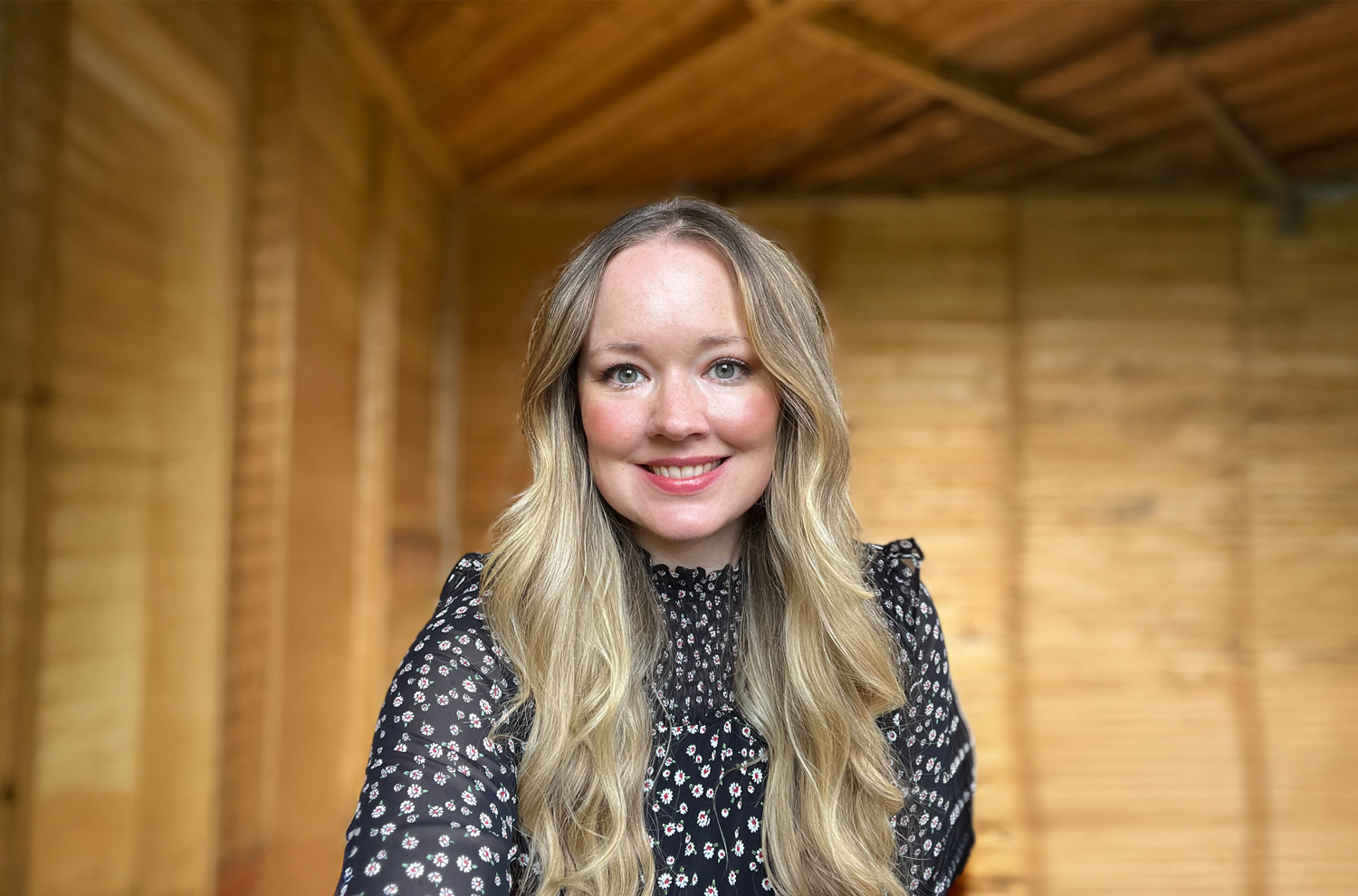
My guest today is Helen Buteux, a specialist children’s occupational therapist with over a decade of experience supporting children and their families. With both clinical and leadership experience in the NHS, Helen now draws on her deep understanding of early years development and her own experience of matrescence to help other mums feel less alone.
With two preschoolers at her feet, Helen helps new mums navigate the early days of motherhood with confidence and clarity, focusing on maternal wellbeing to foster a close and happy bond between parent and child.
Leading with warmth and compassion, she offers a safe, judgment-free space where mums can learn to practice self-care and reconnect with themselves during one of the most chaotic and transformative times in their lives.
I’m always very happy to chat with another mum about the trials and tribulations of having two under two!
Conversation Highlights:
✨ What matrescence really means and why understanding it can transform your motherhood experience
✨ The importance of self-care and how it supports emotional connection between mother and child
✨ How occupational therapy principles can help parents build calmer, more balanced routines
✨ Why building a supportive community around new mothers matters so deeply
✨ How Helen turned her professional expertise and personal experience into a purpose-driven business supporting maternal wellbeing
✨ The power of listening to your body and giving yourself permission to slow down
Listen If You’re:
✨ A new mum navigating the early, often overwhelming days of motherhood
✨ Curious about matrescence and how it impacts identity and wellbeing
✨ Seeking tools to balance self-care with the demands of parenting
✨ Feeling isolated and craving reassurance that you’re not alone
✨ Interested in how professional expertise can evolve into a values-led business helping other mothers
Favourite Quote for Mums in Business:
“Matrescence is a transformation – not a loss of who you were, but an expansion of who you are becoming.” – Helen Buteux
About the Guest:
Helen Buteux is a specialist children’s occupational therapist and founder of Becoming a Mummy – a wellbeing space supporting new mothers through the emotional, physical and mental transitions of early motherhood. Drawing on over a decade of NHS experience and her own matrescence journey, Helen helps mothers reconnect with themselves, build confidence, and foster strong, nurturing bonds with their children.
You’ll find Helen on instagram at @becoming_a_mummy.
About the Host:
I’m Victoria Phipps – a Mum of two, analogue family photographer, charity co-founder, marketing person and now podcaster! My career has wandered all over the place and is becoming a bit of a complex tapestry as I head into this middle phase of life, but I can honestly say I’ve loved every minute of it so far.
I was raised by a nurturing Mother and an entrepreneurial Father and have inherited traits from both, so the tension between ambition and motherhood is one I grapple with on a daily basis! I’m fascinated to hear the stories of other women on a similar path, who are striving to build thriving businesses whilst being present for their children. It’s a tough juggle, but I hope the conversations shared on this podcast help Mums in business feel less alone and inspired to keep going in pursuit of their dreams!
If You Enjoyed This Episode:
- Please subscribe, rate and review the podcast – it helps other mums find us!
- Share in your Instagram stories, tag @mummeansbusinesspodcast and let us know your biggest takeaway.
- Share this episode with a fellow Mum in business who you feel would resonate with Helen’s story.
Episode Transcript
Hello and welcome to the Mum Means Business podcast, where we shine a light on inspiring women who have one thing in common. When they’re not managing tantrums, homework, P.E. kits and play dates, they are busting their gut to create something from nothing, to turn their passion into a thriving business and build a better life for themselves and their families. We dig into what motivates devoted mothers to pursue entrepreneurship and how they integrate their work and family life.
I’m Victoria Phipps, your host, and if you’re an ambitious mum in need of some solidarity whilst navigating the messy middle of making your big dream a reality, then stick around. This is for you.
NOTE: This is the transcript from the original recording, rather than the edited episode so timings may vary.
Victoria (00:01)
My guest today is a specialist children’s occupational therapist with over a decade of experience supporting children and their families. With both clinical and leadership experience in the NHS, she now draws on her deep understanding of early years development and her own experience of matressence to help other mums feel less alone. With two preschoolers at her feet, Helen Boteau now helps new mums navigate those early days of motherhood with confidence and clarity.
focusing on maternal wellbeing, which in turn fosters a close and happy bond between parent and child. Leading with warmth and compassion, she offers a safe, judgment-free space where moms can learn how to practice self-care and reconnect with themselves during one of the most chaotic times in their lives. I’m always very happy to chat with another mom about the trials and tribulations of having two under two. So Helen, welcome to the Mom Meets Business podcast.
Helen Buteux (00:56)
Hi, thanks for having me. Excited to be here.
Victoria (01:00)
You’re very welcome. You are in the thick of it, young lady.
Helen Buteux (01:03)
Yes, I absolutely am. Yeah,
lot going on.
Victoria (01:08)
feel like I’m kind of just coming out of the trenches sort of a year or so ahead of you. And so it’s all very, very fresh still in my memory. But tell me why you decided to take this leap into starting a business of your own following this career in as an OT in the NHS, what made you do it?
Helen Buteux (01:13)
Mm-hmm.
Yeah, so I’ve been an occupational therapist and not a lot of people know what that is. A lot of people are like, oh, I’ve heard of it, but I don’t really know what it is. We’re not occupational health. A lot of people say occupational health. I basically occupy occupations at anything that occupies our time. And they are things that we do every day. So there’s ones that we have to do and there’s the ones that we like to do and the ones that we can kind of feel like are a bit of a luxury as well. And for me becoming a mum,
was a massive shift in my whole occupational life and what I do. So ultimately, I’ve done the same job within the NHS for 12 years now, and I absolutely love it. I always knew I wanted to work with children, and I have loved, I’ve got lots of nieces and nephews, and I’ve loved spending time with them, and that was always something that I saw myself doing. And so yeah, I worked in the NHS, I’ve done that, I still do that, I’ve done that for 12 years. But being a mum,
really changed everything for me. And I have specialized in early development before. So in a previous job, I worked predominantly with naught to fives. So that gave me a lot of really good knowledge around early brain development and how children, the foundations children needs to kind of have lifelong happiness, how lifelong wellbeing and mental resilience, all those sorts of things. ⁓ So that was really insightful. And then I got promotion in 2021.
that took me into more of a clinical but also managerial type role. So I got a bit of a mix of both and that’s the role I’m in at the moment and I enjoy it. And what I found in the current role is when I’m working with older children again, I can see the impact the early years has on our older children. So I can see why it’s so important that we do certain things with our little ones early on to help them later in life. Like the research shows that, ⁓
Early development is so, so the first thousand days of life are the most important than any other time in life to get right. And that will help our children thrive, have resilience, confidence, all those sorts of things and later in life. But to be able to be there for our children, we need to be healthy in ourselves. And this is something when I had my children, I was like, I know early development, I know what I’m doing, but I didn’t realise how emotional being a parent would be. Like the sleep deprivation is tough, both of my kids.
Victoria (03:52)
Mm-hmm.
Helen Buteux (03:53)
are really bad sleepers. think my daughter, she’s 11 months now, but from four months till probably about 10 months, she was waking up every two hours, like more than twice a night for months on end. And that was really tough. But I’ve learned a lot about sleep and I ⁓ know why she was waking up. I know what’s normal and things like that. So I’ve educated myself on certain things I didn’t have as much knowledge in and
looked at the evidence, looked at the science and realised actually, sleep is a massive occupation, it’s a massive part of what we do. And I have the skills as an occupational therapist to support other mums through this journey as well. And I became more snappy and things like that. I’ve always been quite a calm, chilled person, but motherhood has changed that bit. So I’m just a much more emotional person. And what I found as well was,
Victoria (04:42)
It does. Yeah. Yeah.
Helen Buteux (04:48)
There’s not much, so you have your baby, you have your midwives, your health visitors are there if you need them, but services are so stretched. And as I work in the NHS, I know that services are very, very stretched. And there’s not a lot of support out there for what I consider like the well woman. And that’s what I consider myself to be a well woman. So I don’t have any mental health issues or difficulties. I don’t have any depression, postnatal depression, anything like that.
But I also, did struggle massively with that adjustment to being a mum and it’s known as matressence. It’s a massive emotional, physiological journey you go through. And I felt like after my first, I was going through it and didn’t realise what it was, but it was after my second when I realised I’d learnt this word matressence and I realised, okay, that explains a lot of how I’m feeling and how I’m struggling, like my identity, not liking certain parts of my body.
My relationships change with friends, husband, parents, siblings, it just changes. And I thought I really sort of neglected myself. And as an occupational therapist, I know that we do these occupations throughout our day, the things that we have to do, but also we should include, we need occupational balance basically. So we need to do things for ourselves as well. And that’s the part I was neglecting. So I’m trained in physical health and mental health.
I was neglecting my mental health. And what I’ve realised as well is if you don’t have strong mental health, you can’t do the physical things as well. So for example, an occupation I really enjoy is running. And I have to convince myself in my mental health to go running. And then I physically feel better. But I do wake up some mornings of my running days, because I have a routine of when I do it, and I don’t want to do it. But I always ask myself, why? Why do I choose to go running? And I sort of go through those questions in my head.
and that really helps motivate me. And I wanna help those other, and some people it’s not running, it’s other things they want to do. But I really wanna help other moms realize it’s not being selfish to do things for you. You need to look after yourself to have the skills and resources to look after your little one as well. So that’s kind of, my second maternity has been a lot about learning about my purpose, what I want, and I want to help other moms navigate this journey because it has been a massive journey. So that’s kind of where the business has evolved.
Yeah, I think I say I’ve got the skills as an occupational therapist. The more I read up on stuff, the more I was like, I know a lot about habits. I know a lot about how to build resilience. I know about kind of looking after yourself and self care, how that’s really important. And just all these things are kind of like, I can do this. And so yeah, I’ve gone back to kind of all my university theory stuff and been sort of looking back at old OT and occupational therapy literature and stuff. And I just think.
This is, yeah, this is what I know, this is what I do. So I’ve been doing it on myself. So I am my own like transformation story of where I was beginning of the year. I mean, one of the examples is I’ve lost 30 pounds at the beginning of the year, ⁓ just through mental strength and mental wellbeing and just looking after myself and my runs have got so much quicker. Like I did park run. ⁓ Yeah, and I just, it’s amazing like how much your mental health impacts how you feel. And again, I just wanna share that.
yeah with other mums and just help other mums through that so yeah.
Victoria (08:10)
It sounds like you have a lot of transferable skills and you’re so right that period where, especially when you become a mum for the first time, you have the kind of, oh, Helen, I really have to go and get the door. I’m so sorry. It’s a present from my dad. Yeah, just wait a minute.
Helen Buteux (08:25)
I heard that, yeah?
It’s okay.
Victoria (08:59)
So sorry, it was such a good setup. Sorry, elegant the way I get into my chair. Yeah, I’m going away tomorrow for my dad’s birthday and that’s his present and it had been delayed by two days and I’m like, oh my God, and it’s signed for, so I had to be in. So yeah, thank you. Okay, so my editor says, if there’s an interruption to like wait for a few seconds and do a big clap. So I’m going to do that and also try and remember where I was before. So give me like five seconds. I’ll do a big clap and go again.
Helen Buteux (09:08)
Oh nice. Oh no. Oh yeah. No, that’s fine.
Okay.
Victoria (09:28)
I’ll have a drink at the same time because I’m just running out of health. Okay.
I’m gonna start that again. It sounds like you have a lot of transferable skills that completely lean into this new business. And it’s interesting, isn’t it? Because we often are kind of organically led to start businesses in areas where we feel like there’s something lacking. And you’re so right in that, especially when you become a new mum, you’ve got all the essential support. know, if there’s kind of…
you know, a physical crisis in labor, or if something fails, you know, your stitches fail, whatever it might be, or you’re struggling with feeding and baby’s in trouble, all of those things, but actually the mental wellbeing element of it, the NHS really doesn’t have the resources to kind of keep a close eye on every single mum who is experiencing that postpartum journey. And…
there is a big gap out there because it’s not something that you can necessarily prepare for, the shock of becoming a mum for the first time. No one can really explain it to you until you’re in it. And did you find your experience of becoming, during your experience of becoming a mum for the first time, that you really were able to apply all that knowledge that you had? Or did you feel like you were living in a bit of a sleepless haze and
Helen Buteux (11:07)
hehe
Victoria (11:08)
It was kind of just, it’s very repetitive, isn’t it? You’re going through the motions and you’re also recovering from your labor. That actually, when you look back on it, you realize that you probably needed more support than you thought you did.
Helen Buteux (11:23)
Yeah, I think first time around, like I say, I was kind of doing what I knew what to do with my baby. And I always wanted to be a mum from being a little girl. used to like put pillows at my top, like trying to be pregnant and I used to love playing mums and dads and things like that. Like it was always something I was drawn to and wanted to do. ⁓ So I think when it happened, and I didn’t know if it would happen for me, cause I’ve got Polycystic Ovarian Syndrome. So that was something where one of the,
side effects of that is infertility. So I sort of thought, it might not happen to me one day. And I think people are so open about talking about their IVF struggles or fertility struggles that it’s such an open conversation. So many people struggle with it that I just had this feeling of like, maybe it won’t happen for me. And when it did happen for me, I was just so grateful. And I felt I should be grateful that I am able to have children and I’m so happy about that. And it’s something I always wanted.
Victoria (11:56)
same.
Helen Buteux (12:21)
And I think because of those thoughts I’d had previously, I just felt this sort of feeling of I should do it this way and I should know what I’m doing through work. And I did, but then, like I say, because of just wanting to be there for this little like innocent, cute baby, I wasn’t looking after myself. And I think that’s where the difficulty is. And I think you also get so many…
conflicting opinions, you get like family telling you stuff, you get health professionals telling you stuff, and health professionals as well, different people tell you different things, which can sometimes be useful, because you’re like, well, what that person told me didn’t work, ⁓ maybe this will work. But actually as well, it can sometimes be really conflicting, and that can be a struggle as well, then you’re kind of like, am I doing this right? I don’t know, and I really struggled with breastfeeding as well, and I found that really difficult, and…
And like your boobs are changing size and all those, and you just sort of feel a bit like, when I think back about it, you can sort of feel like your body has gone through this massive transformation, your clothes don’t fit, and it’s really difficult. And then, yeah, it was just the second time round where it just emotionally like just, yeah, took over me. So I actually, it was, I think it was a couple of weeks after my daughter was born, where I like shouted at my husband for the first time ever. I never do that. And that, yeah.
Victoria (13:42)
wow, gosh that’s good. I
mean, you’ve done well to get that far.
Helen Buteux (13:44)
Yeah, yeah, wow, that’s what I mean.
I’m usually quite a calm, chilled person and he actually said like, this is good, this is really healthy. And I was like, no, this isn’t, I don’t like that version of myself. Like, no, don’t like that. So I realised then I needed to sort myself out or just, you know, find help or do something that I was just struggling and didn’t really want to admit it or open up about it.
Victoria (13:51)
Yeah.
Helen Buteux (14:12)
And it was then that I just worked on myself, worked on my mental wellness, my own mental health, my own mental wellbeing. And yeah, and then I actually started working with a coach myself and that really helped me and helped me sort of come up with my business idea and maybe really realise, sort of give me more purpose in life and really understand my mission in life and what I, and this is sort of what’s led me to here and wanting to support other mums through this journey.
because it is something I’m so passionate about and just having that support for the well woman, because it’s sort of, guess, in the health service, the well woman is sort of what we call sort of the universal woman. So it’s like motherhood is something that lots of women go through. And I think because of that, it’s very normalized. And I even had that before I became a mom that like, those are people become parents and I work with these people. So it’s sort of just what you do sort of thing as well. actually.
Now I’ve gone through it, I see the absolute transformation that it is. And I think you have all these emotions. And whenever I felt anything other than happiness or gratitude for having children, I kind of would try and shut those feelings down, because I’m like, I shouldn’t feel that way. But even now, like I was saying, my daughter is starting nursery, and she’s a very, very sensitive baby. is always with me. She likes to be picked up. She’s either at my feet or in my arms. Like literally, she hardly ever is away from me.
And with nursery, she had a settling in morning on her own last week. And when we went to pick her up, she just cried of relief and cried the whole way home. And that was so hard. And now I have this conflicting thing of like, is nursery the right thing for her? I don’t know. And it’s all these like this mental imbalance I’ve got in my head. And I’m sort of, I’m gonna miss her so much, but I also want to work for me. ⁓ And I also want to bring in my own money. And that’s how I think. And I think it’s all this.
all these additional thoughts that I have now that I wouldn’t have had before having my children, all these decisions I’ve got to make that don’t just affect my life, affect my family’s life. And it can be really difficult to, yeah, manage those emotions, but I think sort leaning into them, accepting how you feel, saying, is how I feel, talking about it can really, really help.
normalize it for everyone else as well. Like I say, fertility is much more spoken about now. And what I see about matressence is it is becoming a much more spoken about topic. it was a word that in the 1970s was someone, Raphael, I don’t remember his name, came up with it. And then it kind of faded out, but in think 2016, it started to come back, become acknowledged again. And I do feel like I see it being mentioned a lot more. And I think it’s.
something that can just help the well woman explain how she’s feeling a little bit different and yeah.
Victoria (17:10)
I think it’s about grace, isn’t it? Because you think about the word adolescent, know, teenagers can be very challenging in their behavior. But when you, when you actually, and it’s of course, you know, it’s a chemical development that they’re going through in their body, you know, their hormones are changing and it’s all completely understandable by putting the word adolescence there and attaching that to this stage in their life. It offers an explanation and it also offers grace, you know,
Helen Buteux (17:20)
Mm-hmm.
Victoria (17:40)
Yes, they’re being a complete nightmare today, but it’s because they’re a teenager and there are a lot of physical transitions that they’re going through in their body and their brain is developing. And it’s not an excuse for horrendous behavior, but it is an explanation. And I think that word, matressence offers in the same vein an explanation because it’s, you know,
seismic change that we go through when we become a mum. you know, postnatal depression, anxiety, all of these things are commonplace and often chemically triggered because there’s just so much going on and that’s before you even get into the labour of it. And before you even get into the systems that we have at the moment, which aren’t necessarily offering new mums the village.
that historically and from an evolutionary point of view, we would have had to support us as we kind of adjust and as we come to terms with identity shifts on this new version of us. And I think that the words are really important. I only discovered it at the beginning. Like I think it was one of the earlier episodes of this podcast. And so now I’m using it all the time because I think we do, we do need words for things. It’s sort of a validation.
Helen Buteux (19:00)
Mmm.
Mm-hmm.
Victoria (19:07)
and an explanation and it also allows new moms to give themselves grace. Like I’m going through a thing, it’s called this. And you know, same as menopause, same as all of these seasons in a woman’s life, they could easily be kind of dismissed. You know, she’s ⁓ overwhelmed, she’s, know, but actually it’s a physical chemical process that we’re going through. And I love that you’re harnessing that word.
Helen Buteux (19:14)
Mm-hmm.
Yeah.
Victoria (19:34)
and trying to put that out there because I think it does give a bit of relief to a new mom as well who is perhaps just feeling really a latease in her own body and in her own mind and just thinking, what is this? And the sleeplessness and everything just adds into it. It can be very easy to lose yourself in that early stage and touching on all of your experience and all of the knowledge that you accrued in that career up until becoming a mom. Sometimes I wonder,
Helen Buteux (19:46)
you
Victoria (20:04)
when I was kind of in the early stages of motherhood, I thought it’s quite good that I don’t know anything because there is this enormous pressure to get things right in inverted commas and that definition of right, I mean, it’s subjective in a lot of ways and like you say, you’ll have different kind of health visitors coming along and often they’ve been mothers and so their advice is not just medical.
Helen Buteux (20:13)
Yeah.
Mm-hmm.
Victoria (20:28)
It’s also based on their experience with their children is also subjective because every mother and every baby is different. And we can, you know, be victim of a kind of one size fits all set of advice, you know, things like co-sleeping, things like feeding. And we put so much pressure on ourselves as women anyway, we want to be, you know, the good girl, we want to do the right thing. And this is perhaps our most important job, looking after this tiny baby.
And do you feel like having all that knowledge helped you or do you think it meant that you put even more pressure on yourself?
Helen Buteux (21:05)
I don’t, good question. So I think what it helped with was I understood why, the why basically behind why I was doing what I was doing. Like tummy time for example. I’ve spoken to quite a lot of mums about their struggles with being a mum and things like that. And some mums have said to me that tummy time is something they felt pressured to do or they felt like they should do. And I think I know why tummy time is so important for a baby. So it’s basically, it develops so, so many different skills.
So tummy time is something where you don’t have to put the baby on the floor on their tummy. That’s not just what tummy time is. Like you can put them on your chest, you can put them across your arm, you can put like a little towel underneath them so that they’re a little bit more propped up. There’s so many different ways to do it and it has so many different benefits from like a sensory perspective. So developing all those sensory systems, which is so, so important to the early days of life when that brain is developing and
everything’s wiring and firing together at lightning speed. Everything’s happening so, so quickly. And it also really helps with their visual patterns, so being able to look and track different things. It helps with sort of our internal sensory systems as well. It helps with connection and bonding as well. So you can do lots of different ways of doing it help with that. And it really helps with the gross motor milestone development and even the fine motor development as well of their hands. And it gives a child stability. And tummy time actually helps.
a child when they start school and that’s a massive jump from a little baby to school but ultimately it helps us something called like postural control and that’s our ability to sit upright and maintain a good alignment when we’re sitting and yeah so tummy time helps with that and it helps with the cause like stability it’s not just one thing there’s lots of different stability joint stability we need in our body
Victoria (22:46)
I’m setting up right now.
Helen Buteux (22:58)
tummy time really helps develop stability in our shoulders, in our core, in our posture, in our tummy, all of those areas. And when children go to school, they need to be able to sit for periods of time. And tummy time helps with that because it’s developing those muscles really early on. It’s like a little workout for a base, the equivalent of like, yeah, their physical activity. And actually there was an Ofsted report that came out about the early years. I think it was, I get this from, but it starts with something like,
31 % of early years providers think physical development occurs naturally, but actually little babies need support to develop their physical milestones. So like my daughter, for example, hated tummy time. Like I said, she’s a sensitive baby. She screamed. I could never put her flat on her tummy because she would just scream and cry. I knew tips and tricks to help her tolerate. I don’t know the word tolerate, but like manage it for longer.
So do it for longer, because I know how important it is. And I know like my boy, my toddler, he was very early in all his milestones. She was more delayed in her milestones, but she’s within normal ranges. And I do think it’s, if I had just not done 20 time with her, I think that she wouldn’t be as far ahead as she is now for definite. Like she is walking with just one hand at the moment. So she’ll be walking soon and she’s 11 months.
So I’m really happy with where she’s got to. And there was a period where I was a little bit worried because she was delayed in everything. And then I think it was nine months, she just started doing everything at once. But I feel like it’s because I’ve built those foundational building blocks to help her. So yeah, so it’s all these underlying skills that really, really help. And because I know that and I know why it’s important and it’s not just something I need to do. And I didn’t do to me time with her every day because to sometimes set it up, I was like,
Victoria (24:32)
Yeah.
Helen Buteux (24:52)
It’s a lot of effort and I’m tired and she’s just wake, feed, sleep. The routine of a newborn is trying to fit it in around the feed and stuff can be tricky because she had quite a lot of reflux as well. And it’s the timing and it’s, I know it’s really difficult but I did it as often as I felt like I should do it for her and her individual needs and because I knew why it was so important. And I think that’s the difference. I think because I know the why and the how.
Victoria (25:04)
Oh my gosh.
Helen Buteux (25:20)
that can really help and I think that’s what I wanna help other parents understand. It’s like, I think sometimes what I feel is from what moms have told me, other health professionals might say, ⁓ you need to make sure you do tummy time, but they haven’t got the capacity to explain to the parents why and help the parents understand it. And parents will go out and seek their own information as to why they need to do tummy time, but you’ll Google it and you’ll get loads of different things that come up.
And I want to kind of just give you just snapshot of really clear evidence-based scientific knowledge about why it really helps and how it will actually help your little one later on in life. Because it is all these found, like I say, like when I specialised in early years, it really gave me that knowledge of these years matter more than any other time in life. These years really help your little one. And it’s not to say that if you didn’t do it, your little one will have like problems. It’s, yeah, it’s not like that at all.
Victoria (26:12)
They’d be doomed, yeah.
Helen Buteux (26:15)
It’s just trying to help you understand why that is something that people say is so important. So I think that really helps me. And also like the play side of it, understanding why play is so important. the sensory, sensory has become such a buzzword in the parenting world. I’m trained in some, I have postgraduate training in sensory processing, sensory integration. And I know like about the eight sensory systems and what activities help with what sensory systems.
And what I want to help parents understand is you do not need like lots of like tactile toys to play with. You don’t need the bright lights and stuff. Like my sensitive baby, that would be way too much for her. You just need like a teaspoon in the hand. That’s going to be like a tactile activity in an upside down pan and just tap it on there and that makes a drum. And that’s a really nice sensory activity you can do or you can put a whisk in it. Like there’s so many things you can do with things you’ve got in your home environment.
that are sensory activities and those are things that I think, a knowledge that I’ve got that I want to help other parents with. But I also know, because I know all this stuff, like the tummy time thing, the days I didn’t do tummy time, I felt guilty. I was like, oh, I should do tummy time with her, but I just haven’t got the energy. And yeah, so there’s a guilt and sometimes I just want five minutes. I’ll put the TV on for my toddler, I’ll let him watch Thomas the Tank Engine, cause he loves it. or if I’m…
Victoria (27:37)
TV is also
a sensory experience, I think, at times, that’s fine, you know. And this is where it comes back to like look after mum, because if mum doesn’t have the energy, whether that’s the physical energy because she’s so drained, or whether that’s the mental capacity to do these things, I totally agree with you. think tummy time for me was just a phrase that got bandied about, and sometimes I’d just throw her on her tummy. She would just, both of them, I’d just roll them over and be like, you’re having tummy time right now.
Helen Buteux (27:40)
Yeah. Yeah, and it’s…
Yes, exactly.
Mmm.
Victoria (28:06)
just enjoy that and I put some things around her that she could look at and yeah, and you you go to the baby classes and they’ll prop them up and they’ll do things with them as well. And they can both walk and so I hope that I haven’t done them too much damage. It’ll be interesting to see how long she can sit up in school because that’ll be a telling factor probably now that she’s started. But yeah, I think I didn’t really understand the why, you know, the stuff about.
Helen Buteux (28:06)
Mm-hmm.
Victoria (28:32)
the core strength, the stuff about stability and balance and all of those motor skills and all of that development, I just registered that it was something I should be doing. And in that sense, I added it to my to-do list, which already involves quite a lot of things when you’re a mum in those early years. And I think to be able to explain the why behind it and explain the science, as you said, and that’s something presumably you can do on social media.
Helen Buteux (28:46)
Mm-hmm.
Victoria (28:59)
in like short bursts that feel like manageable for a new mum to digest.
Helen Buteux (29:01)
I try but it’s
really hard sometimes. I’m like, can I get this across in like three sentences rather than a paragraph? Like it could be really hard.
Victoria (29:10)
Yeah,
well, social media is a whole other thing, but I’m sure that it would be appreciated to have it delivered in that kind of way, because I think there’s so much information that can feel quite overwhelming, and it can feel like there’s just a lot to do, even though you’re in your house, maybe all day, you still feel like there’s a lot to do, because you’re still trying to keep on top of the house, and you’ve got endless washing to do, and then you get towards the end of the day, and oh, God, I haven’t rolled her onto her tummy today.
So that’s, and the guilt, the guilt, I mean, it’s an awful thing and it’s, there’s a lot of complexity around where that comes from. But yeah, I think just to be able to deliver the why is so, helpful. And tell me what the process looked like when you decided that you were going to start this business and help other mothers who are, mean, you are, you are still in it.
Helen Buteux (29:39)
Yeah
Yes.
Victoria (30:06)
in those early years. you’re very much, and I think that’s an advantage,
you’re very much going through it with them. It’s not like you’ve got teenagers and you’re looking back and trying to remember. And I think there’s definitely a lot of relatability that will naturally come through your content on that because you’re kind of taking what you need to know and sharing it with other moms as well, which feels very generous. And obviously then you’re adding in all of your expert knowledge. So what made you decide that this could be
a business.
Helen Buteux (30:37)
Yeah, so it was, so January was, near the typical January, a turning point for me where I was like, right, I need to work on myself. I, like I said, I was looking in the, I couldn’t really look in the mirror. I had so many stretch marks after my second baby. I’d put on a lot of weight. I think when I was pregnant, I was kind of like, well, I don’t know what weight I am, so I can eat all the cake and it doesn’t matter. And then I forgot, have the baby and then it doesn’t disappear and you’re like, ⁓ what’s happened? So I didn’t like that. I was wearing jumpers and leggings every day. And I was like, I just don’t feel like me. I,
Victoria (30:55)
Yeah, of course, yeah. Yeah, it’s a good excuse, yeah.
Helen Buteux (31:07)
Yeah, I didn’t like who I was. So I had, cause I had my baby in October. So then it was January. And like I say, it was that moment that I lashed out at my husband and I was like, I can’t deal with this. So January, I just decided every day in January, I’m going to do 100 squats a day. I don’t have to do them all at once. I could do like 10, 20, that like, you know, whatever it was, but I’m going to do that. And I did it for January and I felt really good. And then February, I, I can’t remember what I did in February, but I did something similar. Maybe I did 200 squats a day. don’t know. Something like that. But it started to feel good. And I,
said, told myself in March, I’m gonna start running again. Cause I’d always enjoyed, I’ve been an athlete previously and I’d always enjoyed exercise. It’s something that really helps me feel like me. So I knew I wanted to get back into running. So I was told, I think I started actually end of February cause I felt like I could. And I know after my first, husband always says I shouldn’t have done this, but I went straight into a park run. Like I hadn’t run for about, I don’t know, a year. And I was like, I need to do a park run cause otherwise I won’t go. And then I kind of like got a bit of an injury and I just.
Victoria (31:59)
You
Helen Buteux (32:04)
So I was like, second time around, I need to just do it slowly and steady. So did that. And then I started to control my portion sizes a bit more. My husband and I, we got into that habit of just like, we’ll go, we’ll just go to Marks and Spencers and we’ll just get a snack. And then we ended up like, you know, you spend like 20 quid and you’ve just got the handful of snacks. And you’re like, these are really nice. So we got into that really bad habit. So anyway, we kind of stopped that. We didn’t just stop it. We like slowly, slowly stopped it. And then, cause I was exercising.
Victoria (32:07)
Yeah, yeah.
hahahahah
Helen Buteux (32:33)
my husband started exercising a bit more as well. And we got into a really good rhythm. there’s, I think three mornings a week I can exercise and same for him. So like he works from home a little bit. So we have it where, and because of that as well, if I didn’t fancy running one morning, it’s not like I can be like, I’ll just go tomorrow instead because I’ve only got three times a week where I can actually do it. that sort of our relationship as well supporting each other has really helped as well. So when I was,
doing, and I started walking in January as well, a lot more with the kids and the buggy. I feel like I went off on a tangent there actually, yeah, so I’ll go back to January. I started doing lots of nap walks, because my kids only ever sleep in the car, buggy or on me. So we’re doing nap walks with both of them when it was their nap time. And I listened to podcasts and I found this podcast from this coach who I’m working with. And she was sort of just talking about business models and how you can…
and build a business basically. And I was like, this is really inspiring. I really like this. So yeah, anyway, we kind of got chatting and I started working with her and she really helped me uncover like what my purpose is in life and what my mission is. And again, as an occupational therapist, I think that second maternity, my first maternity was all about me learning to be a mom, learning that side of it. And just that massive life adjustment, that transformation you go through.
that side of things. The second time around, I was obviously still bringing up a toddler and a baby, but I just felt like after speaking to her, I was like, I need to do more for me and I need to figure out what I want to do for myself. Because I think as well, when I got to my job after 10 years of doing the same job, you kind of think, well, I do, I love my job. I love being an occupational therapist, working with the children and the families and helping them sort of.
get better at things or finding what they wanna do and helping them find ways to do it. But I also felt like, is there more out there for me? Could I see myself doing something slightly different? And then actually it kind of just came to, well, actually I’ve gone through this massive journey myself and I can’t be the only one going through this. So when I started looking into it.
And again, finding out that that’s when I found I can’t remember, I wish I could remember where I first heard the word matressant, but I can’t. But it was only a few months ago that I learnt about it. And there’s occupational therapy and evidence based guides coming out about it. And now there’s a lot more within literature in terms of my profession about it. So I do feel like it’s, yeah, just an area that a lot more research has been putting into and a lot more going on with it. So I find that quite exciting as well that we’re kind of just at the
foundation of it. There’s so many places we could go with it. And I’m just really, really passionate about it. And I think because it’s, I’ve been through it and I’m going through it I’m on my journey with it, it’s so raw and fresh for me. So like when I speak into moms about it, like it’s like they speak, it’s like they can read my mind sometimes. Like a mom said to me about, you know, the sleepless nights and really struggling with that and wanting to work on getting the baby into the cot so they can.
Victoria (35:15)
Yeah.
Helen Buteux (35:40)
do things around the house and that’s when they wanna do the cleaning and stuff and I was like, makes complete sense. And another mum saying that she doesn’t feel like herself anymore and she sort of wears, she has a mum uniform, she doesn’t wanna wear cool clothes and just all these things that we all go through, but it can be really difficult to open up about them sometimes, because that whole thing of feeling like I should just feel grateful that I can even be a mum and have this life. so yeah, it’s… ⁓
it’s just something I’m really excited about, really passionate about. And like I say, when I went back to my occupational therapy literature and textbooks from uni and I bought loads of new books, but I sort of realised all this stuff is like, yeah, just stuff that I can help other mums with. I’ve got the training in it, so why not just go for it? So yeah, it’s scary, but really exciting. I’m really excited to, yeah, be on this path and this journey.
Victoria (36:37)
I think it’s really infectious hearing people talk about what they’re doing, whether it’s in business or whatever, whatever project it might be. And you can just tell that they are aligned. Like they’re so excited. And I can hear it as you speak about it. You you found a thing that you can really sort of project forward and see there are so many ways that you can help women.
Helen Buteux (36:51)
Mm-hmm.
Victoria (37:07)
there’s such a lot of mileage in where you could take that. And I love it. just, it really fills my cup to hear people who have just like found and it’s very organic, you know, it’s, it’s not something that you could have planned because none of us know how we’re going to feel as a mum, but there’s definitely, and I was the same as you, I always saw myself as a mum. I also had PCOS and was told that it would be very difficult. ⁓
Helen Buteux (37:17)
Mm-hmm.
Victoria (37:34)
but then it wasn’t difficult at all, which was a bit of a shock. So that was, mean, but that’s good. And then you’re thinking, okay, well, I can be a mum, this is amazing. And then all the shoulds come in whenever you feel in any way resentful in those early stages or even now, like there are still times when I have moments, you know, because we’re, we are a slave to our own emotions and our own moods, you know, and we’re women, that’s a…
Helen Buteux (37:36)
No, same. yeah, no, yeah.
Victoria (38:03)
that’s a whole thing, that’s a burden that we carry through life is that we can feel 10 different things in one hour. Some days even now, I feel like I’m just recovering from my whole maternity era and just starting to find myself, but there is a loss that comes with motherhood and it’s all those freedoms and it’s all that autonomy and it’s being able to listen to your body as well. That was something that I didn’t really appreciate.
Helen Buteux (38:23)
Yeah.
Victoria (38:33)
is that I might feel really tired, but it’s not an option for me to sleep because it’s the wrong time of day. Like, you can’t listen to your body because there is this other responsibility and your baby wants to play, but you are thinking literally if I close my eyes right now, I could be out till tomorrow. I’m so exhausted.
Helen Buteux (38:38)
Mm-hmm.
But yeah,
and also with the sleep side of things, what I would sort of say is in the early days with a newborn, they don’t have that Caucasian rhythm. So day and night, that’s it, yeah. There’s no day and night for them, but we’ve learnt there is a day and night. So like you’re saying about sleep, it’s like when people say to sleep when the baby sleeps, logically it just makes so much sense because actually,
Victoria (39:02)
circadian rhythm of night date yeah yeah yeah
Helen Buteux (39:16)
My bedtime is a lot earlier now than it was before I had kids. Most nights, not every night. But you kind of, if you want to get rest and be adequately, you know, get adequate sleep and rest and you’ve kind of got to lean into a whole different way of thinking in terms of day and night. What even does that look like now? Because it can look different for those first few weeks and then moving forward, it will evolve and change. But you can go to bed at 6 p.m. Like what’s the…
there’s no problem with that sort of thing. If your baby’s going to sleep at six and that’s when they’re getting their longer stretch of sleep, why not go to bed at six? And you might have answers to that. You might be like, well, I need to do this. I want to that. want to be with my partner and that’s absolutely fine. But, you know, just ask yourself why, you know, if I go to bed at 8 p.m., it’s so like, because I’m tired and I want to get extra sleep and that’s a priority for me that night over watching TV or doing something else. And I think it’s just asking.
It’s really just thinking outside the box, asking yourself those questions. It’s, yeah.
Victoria (40:16)
Yeah,
yeah, and it’s the same about when you eat, it’s all of it because, you know, I didn’t become a mum until I was 35. 35, and I think, you you’ve got 35 years there of doing things in a particular way. So I eat at this time, I sleep at this time, I would exercise at this time, and actually letting go, it’s letting go of all of that.
Helen Buteux (40:34)
Mm-hmm.
Victoria (40:44)
and allowing yourself to make brand new rules about what your day looks like. And I think that’s tricky in the first instance because you kind of don’t give yourself permission. And people say sleep when the baby sleeps, but you’re like, but then when does the wash go on? And when does the… And so you, mean, I definitely didn’t give myself permission and I just tried to sleep at night and it was difficult because they didn’t always want to sleep at night. And…
Helen Buteux (41:00)
Yeah.
Victoria (41:11)
Yeah, I think there’s definitely some good advice in there about just trying as much as possible to listen to your body because your body will tell you what you need. And then just figuring out when, you know, if you are so tired that you could literally go to sleep, when is the next opportunity for you to go to sleep? And you know, if it’s not right now, could, you know, if your baby’s due for a nap in two hours, can you give yourself permission to just get your head down?
for as long as they nap and be flexible. I think I really struggled with that because I was still clinging onto these old habits and it changes everything.
Helen Buteux (41:44)
you
Yeah, so, yeah. And
I think it’s biologically normal for babies to wake up, and especially in the early days. I think when my baby’s still waking up in the night, twice the night, most nights, I just, I’ve, like I say, I know why she’s waking up and I understand it. And so I sort of lean into it and accept it. And then I think during the day, I just manage my energy a certain way. And I, like I say, might go to, if I’m,
Like last night I was particularly tired. So I went to bed earlier and that can be difficult. Cause I think everyone’s asleep. It’s like, that’s my time. That’s my me time. Yeah. So it’s, but is it better to, yeah, is it better to have that or is it better to give yourself rest and sleep even though you’re not, you know, consciously awake, but you’re resting your body or is it, yeah. And that’s again, a rhetorical question and that’s completely individualized to everybody.
Victoria (42:27)
Yeah, well, that’s it. Yeah, that’s the trade off as well because you crave solitude as well. You just crave, yeah, go on.
Helen Buteux (42:47)
I think it’s opening up the space to ask yourself those questions and really think about it. even because it’s like you say, every single baby’s different and every single mother is different. So the answer for every person, like the answer for you and myself will be different. And I think, I know when I was, because I always wanted to be a mom, I had an expectation of how it would be, how maternity leave would be like coffee dates and oh, I’m not working and all this, but oh, it’s really tough.
My husband and I always say going from zero to one for us was harder than one to two purely because of the lifestyle change. And again, it’s just like, like you say, you’ve lived a certain way for so long and societal norms and potentially societal pressures have made you feel like you’ve got to live a certain way. But actually it’s your life. You can live it however you want to live it and find a way that works for you. And sometimes you might need a little bit of help because sometimes
When you seek that help from family and friends and things, sometimes there can be an emotional reaction and emotional triggers for things. So sometimes seeking that support externally, where they have no emotional ties to you and they’re just offering the most up-to-date evidence-based advice, that can be really helpful as well.
Victoria (44:03)
Yeah, definitely. think there is something about, especially speaking to your partner, to your person, they’re feeling it too, and they’re in it too, and they’re having their own period of adjustment. It’s not necessarily going to be similar to yours in that, you you’re the one who physically has gone through all these changes, but they’re still having to make a shift of sorts. ⁓ And then you could speak to parents or older members of your family who’ve been through it.
Helen Buteux (44:13)
Yeah.
Victoria (44:33)
and they do have the benefit of hindsight, but they also have this big distance from their experience, which was actually in a different societal setup than what we have now. And so that can come with its own challenges because it’s not a direct like for like comparison. And as you said, you as a baby will behave differently to your baby, you know, just because you’re related, doesn’t mean you’re gonna follow the same patterns.
Helen Buteux (44:44)
Mm-hmm.
Yeah.
Victoria (45:02)
And I think the opportunity to speak to somebody completely impartial and who is only interested in helping you find your rhythm and helping you find your very individual path to thriving as much as it’s possible to do so in those early years and figuring out how to reconnect with yourself because part of that loss is
is wrapped up in identity. And it is really foundational because you’re actually saying goodbye to a lot of things that aren’t necessarily coming back. You know, you’re never going to feel the lightness that you felt when you only had yourself to consider. You know, you’re never going to, there’s still something now and it comes in small moments. It’s like just going to a supermarket by yourself.
Helen Buteux (45:42)
Mm-hmm.
Yeah.
Victoria (45:59)
And you
just kind of feel like, my God, it’s like a spa day. Half an hour, half an hour to myself to pick up some milk. And that car journey by yourself is such a treat because we are always in demand in those early stages. And it’s finding those like pockets where you can just fill your cup for you. It’s the run that you might go on three times a week. And…
Helen Buteux (46:06)
Mm-hmm. Mm.
Yeah.
Victoria (46:24)
you know, how can you carve that out? Because also everyone’s got a different familial setup and everyone’s got a different sort of system in place in terms of work. when, whether they’re working or not, some people just don’t get the benefit of a decent chunk of maternity leave. And they’re then having to reintroduce work when it’s, they’re almost, biologically not ready to do that. And that takes some thinking about as well. So I think it’s all about that bespoke support.
And it’s again, it’s mom to mom chats really, but you’re just bringing some expert knowledge, some data, some science into a conversation which is helping somebody feel that they’re not alone.
Helen Buteux (46:56)
Mm-hmm.
Yeah, and I think it’s even like, for example, breastfeeding is a topic that people talk about a lot because with breastfeeding, like on the formula, someone said to me, it says breast is best, and then they felt guilty for giving their child formula. Yeah, she said it says it on the actual formula product that she got. Yeah, exactly. And she said, just felt guilty. And she couldn’t breastfeed, she tried and, know, for whatever reason it was.
Victoria (47:21)
on the formula.
That’s so unhelpful.
Helen Buteux (47:35)
she just couldn’t produce enough. And so she went down the formula and she already felt guilty about that. So she said, reading it, seeing that just made her feel so much worse. And I think, again, my role working with moms is not to judge anyone for choosing a path they go down, it’s to actually just listen to what they want and how they want to parent and, you know, sort of go with that and help them discover who they are. And it’s sort of empowering as well, empowering moms to realize who they really are.
Victoria (47:43)
Yeah.
Helen Buteux (48:05)
exciting in a way of like, you can mourn the old you and sort of grieve your old life and that’s usually what happens with transformations, you miss the old parts but the new side of you can be really exciting and like I say, these new mum friends and new relationships and there’s an excitement to it as well and I think it’s about, you know, you’ve got these beautiful babies and beautiful children and matressences, what I’ve learnt as well is it’s not just these early days, it’s forever like.
forever evolving, like you were saying with your child starting school, that’s a big shift and that’s actually, my toddler doesn’t start school for another two years, but this year I really noticed it affected me hearing other children going to school or seeing it on social media because I was like, that will happen to me actually the year after next and that’s terrifying. It’s like, I will feel lots of emotions about that and even like, know, like you the adolescence years and then the emptiness syndrome and
Victoria (48:36)
Yeah.
Yeah.
Helen Buteux (49:04)
it’s forever evolving sort of your motherhood journey. So it’s not like you have matressants when they’re babies and that’s it. It’s actually like a lifelong motherhood journey you go through and then you become a grandparent potentially and that changes again. And yeah, so it’s a really interesting topic.
Victoria (49:22)
It really is and it’s so complex. And sometimes when I’m having these conversations about those early years, I feel like I can lean, and I really don’t mean to, into the kind of whinging side of it because it is such a big change and there is a loss there, but you’re absolutely right. What you gain.
Helen Buteux (49:25)
Mm-hmm.
Victoria (49:52)
is so glorious at times and watching these little people develop and being able to show them this whole big wide world that is absolutely beautiful, in so many ways. And there’s a lot of hope that comes with being a mum. You have to be hopeful and no matter what’s going on in the news and there’s lots, you have to still
have hope for building a better future because we have these little people to think about and we project forward and we do think, you you’re thinking, okay, well in two years, my eldest is starting school and you know, we’ll project forward and we can see ourselves as grandparents and what does the world look like? And I think in that sense, we are very invested in making our environment.
Helen Buteux (50:41)
Yeah.
Victoria (50:48)
and our world a better place, whether that be in our local community, more broadly, and in helping each other along the way. And I think that’s exactly what you’re doing. know, motherhood, there’s so much wrapped up in it that can feel quite debilitating. You know, it can feel like a really heavy weight on some days that you’re carrying. And I think it’s important to expose that and to normalize it.
and to say it’s okay if you feel guilty about this and it’s totally understandable that you feel like you should feel this way, but you don’t, you feel that way and you catch yourself and then you beat yourself up and then you let yourself off the hook because something else happens. And in every single day, there are wins and there are losses. And some days you go to bed and you think, God, I’m a brilliant mother. I nailed it today. And other days you think, God, why did I say that?
Helen Buteux (51:38)
Mm-hmm.
Mm-hmm.
Victoria (51:43)
and
you kind of process it and we’re analyzing our own behavior all the time because we want to get it right, whatever that means, because it’s so important. But I think to actually be in a position where you take all your expertise and everything that you’ve learned and you offer it out there to other mums who are perhaps, or almost certainly feeling overwhelmed in those early years. And…
Helen Buteux (51:49)
Mm-hmm.
Victoria (52:12)
trying to navigate the roller coaster. mean, even just having a toddler is a roller coaster of a day every day, you know, the highs and the lows, but to understand it, you you must give your toddler quite a lot of grace because you’re like, I understand why you’re having these big feelings. no, it’s lovely.
Helen Buteux (52:19)
Yeah.
Yeah, literally like, bless him. Yeah, he’s very emotional
at the moment. But yeah, it’s like, I hate seeing him cry. But you know, it’s like when he’s crying, it’s like when Granny and Grandad, he’s with Granny and Grandad today, I know when they leave, he’ll get really upset because he just loves being with them. And I just got to, yeah, let him cry. And it’s, oh, it’s the worst thing. But it’s also just like, it’s okay to feel that way. And it’s just leaning into how he’s feeling because
Victoria (52:44)
Yeah, yeah,
Helen Buteux (52:55)
I want to be the one that can guide him through understanding what his emotions are, naming the feeling so he can learn to regulate. Because when our baby’s a little out from newborn stage, it’s called co-regulation. So we help them regulate their emotions. So they have their own mental health, they have their own personalities, they are who they are. We can’t necessarily mould them into who we want them to be, we’ve got to lean into who they are.
but we’ve got to make sure that we’re looking after ourselves to be able to do that and to understand and give them the grace and this sort of space to do that. So we co-regulate with them and we give them, if we are stressed, our children will be stressed. If we are calm, our children will be calm. There’s a lot of that that happens. So we do that, we co-regulate and my toddler’s of as he’s approaching three, he’ll start to learn to regulate a little bit more as well because of where his brain is developmentally at age three, there is a turning point within the brain.
parts of the brain that kind of help him regulate his emotions start to turn on a bit more. And it’s through those first two years, supporting that co-regulation will really help him develop those skills. So it’s hard and I hate seeing him upset. And obviously I don’t just let him be upset, but it’s not kind of just like brushing off and be like, no, you’re fine. And it’s just like, it’s okay, giving him a hug, helping him sort of understand it. And then, you know, just using techniques and strategies to
move on, try and distract him or whatever it is, allowing him to, yeah, feel that emotion, I that’s really healthy.
Victoria (54:28)
No, definitely. And so much of it, helps us to kind of understand our own emotions as well, because we have to be so conscious. Whereas before we can kind of behave how we like. If it’s only bothering us, it doesn’t matter. know, if we just, if we get cross in our own house and or if we go and have a cry or whatever we do, it’s, it’s, you know, it’s just on us. But now there are these little people and they’re watching. And it definitely has helped me to become more aware.
Helen Buteux (54:34)
Yeah.
Yeah, exactly.
Hmm.
Victoria (54:57)
of when I’m reaching my limit. And it’s about catching it, I suppose, isn’t it? And there are so many stresses. We had one this morning when I was just trying to get the girls both out of the house, because now we’re in this school routine. And it’s not like nursery, there’s a hard end. We have to be there at this particular time. And there isn’t the time. And I think that’s a big adjustment as well as they get older. They are subjected to this routine every day and they have to meet these targets of where they have to be and when.
Helen Buteux (54:59)
Hmm.
Mm-hmm.
yeah.
Victoria (55:27)
And I find that difficult because they don’t like it. And it makes me wonder if it’s good for them. But I mean, there’s nothing I can do about that particularly, but it’s then what do you do in the areas of the day that you can control to give yourself the best fighting chance of helping them to do that in a way that doesn’t feel stressed and hurried and frantic. And yeah, that’s definitely a learning curve in itself.
Helen Buteux (55:34)
Alright.
Mm-hmm.
Victoria (55:54)
and I’m not sure how I figured that one out, but there’s different challenges at every season. But I think seeing your own behaviour reflected back via your children is kind of, I mean, it’s harrowing sometimes, but it’s amusing at others and it’s just a real eye-opener.
Helen Buteux (56:11)
I know what you mean. When they
say things, you’re like, I think as well though, with that example of getting ready for school, it’s also like, it’s okay to say it’s difficult because your children are expressing they don’t like something. And I think as adults, a lot of the time, if we don’t like the job we’re in, we can move jobs. It’s not as easy as saying you can just move, but you can think, I’m not enjoying it. I’m just going to start looking for other jobs. For our children, we choose where they go to school or where they go to nursery. And if they don’t like it there,
but it fits with us, you know, there’s an element if they don’t have a choice, and I think that can be difficult and they are just expressing the certain likes and dislikes that they’ve got. And again, it’s healthy, you know, expressing of their emotions. They’re not trying to hide anything or not share how they’re actually feeling. They’re actually opening up to you. it’s sort of, sometimes we perceive sort of, I speak sometimes to moms as well about I’ve seen a lot of children who are like bite hit and all those sorts of things.
And especially in the early years, a lot of it is they’re just communicating something either, whether it be frustration or anger or sort of jealousy, things like that. A lot of it is usually they’re trying to tell you something, but they don’t have the words to yet. So this emotional part of their brain just takes over because the problem solving part of the brain is not yet, that doesn’t develop until early adulthood. So that’s again, with our adolescents, that’s where they struggle a bit as well. Cause that part of the brain until we’re adults isn’t actually fully formed.
a lot of these behaviours, I’ve sort of perceived behaviours in a way that we perceive as bad, we’ve been told that they’re sort of bad things to do, it’s, okay, what are they trying to tell us? And it’s really leaning into what they’re feeling. And sometimes as well, if you are guided a little bit in that, it can help you really understand and problem solve and help you kind of figure out how to help them a little bit. And it won’t make mornings necessarily.
it won’t make them just get ready for school and you know, like, oh, have a great one. It’ll just, yeah, it’s just tips and tricks or different tools that you can use to help just with those mornings. Cause in our house mornings are difficult as well. It’s not easy like brushing teeth and all that kind of stuff. Like we always say, yeah, it’s not easy. But I think it’s sometimes just understanding the why behind why they are that way. And you don’t always need to have an answers for it, but it’s just leaning into it and understanding it and just remembering.
they’re allowed to have a personality and a preference and a dislike and like we do, so yeah.
Victoria (58:36)
Yeah, and I guess it’s okay to say, mean, one of the things that I thought about today after that scenario this morning, that saga, is I’m going to have to explain that I don’t like it either. You know, that this is the fact that school starts at this time. And I wish it was more flexible, but it’s not. And I don’t like it and you don’t like it. So what can we do? We can’t change that because…
Helen Buteux (58:57)
Yeah.
Victoria (59:04)
you know, it’s no good giving her hope for change. It doesn’t matter if we move schools, it’s still going to start at a particular time. It’s that hard deadline of the start that is causing this sense of panic, urgency, getting out the door. And yeah, just to acknowledge that I don’t like it either. How can we do it differently? Should we get up a bit earlier and just bring her into it? Because it’s okay to sort of acknowledge that I don’t like something either. You know, I don’t have to be the school’s
Helen Buteux (59:09)
Mm-hmm.
Yeah, definitely.
Victoria (59:33)
sort of policemen and say, and just tell her no, and this is how it is and blah, blah. And that just leaves her feeling powerless in it. Whereas if I can try and sort of reframe it, but this is what we do as mothers, you know, we see something in our own behavior and we have to try, if we don’t, if it doesn’t feel right, and so much of it is instinct, isn’t it? It doesn’t feel like I handled that particularly in the best way. How can I reframe it? How can I do it differently? And I think if you’re feeling frazzled,
Helen Buteux (59:58)
Yeah.
Victoria (1:00:03)
and mentally overwhelmed. Sometimes you can’t. You know, I notice as my children are a bit older, I have more head space for that stuff. But I think in those early years, I’d have been so fried some days that I wouldn’t have had the mental energy to kind of dissect it and think about it. And that’s where having somebody else to talk to would have been really helpful because it’s when it’s your own problem as well, you’re so in it.
Helen Buteux (1:00:11)
Mm-hmm.
Yeah.
Victoria (1:00:29)
Whereas someone impartial, you can say, okay, well explain to me what happened. And you know, I’ve got friends who’ve really struggled over long periods of time because their children are displaying these, you know, habits they might bite or they might, but it’s just their way of venting and their way of communicating, like you say. But it is sort of condemned. And you know, the parent gets dragged into nursery and told off and you’re just thinking, okay, but I don’t know what to do. I don’t know what to do.
Helen Buteux (1:00:29)
Yeah.
Mm-hmm.
Yeah.
Victoria (1:00:59)
And really to have somebody who has a bit more experience, a bit more knowledge on the why and has some ideas that perhaps you haven’t thought of about what you could do to help your child really, because they’re not bad. They’re just not. They’re just trying to make sense of the world.
Helen Buteux (1:00:59)
Mm-hmm.
No, no, and
yeah, and that’s exactly it. And I think with educational settings or childcare settings, it’s about collaboration rather than blame. And I think, you know, as a parent, if you’re getting called in for a reason, it’s not about that blame. It’s not going in sort of with a negative kind of, God, they’ve called me in for this negative thing. It’s actually kind of like, okay.
this is good, like we’re gonna have a chat and we can problem solve together and if your child’s doing something perceived as negative, it’s about kind of like the back and forth of what’s going on at home, what’s going on in the setting and maybe just bringing it together. Because I think as well a lot of the time, I’ve worked with lot of children who we call it like mask at school. So they keep it all together and then they go home and they are just like wild. ⁓ And a lot of it is because they’re just trying to hold it all together so much and.
then when they get home, it’s a safe place so they can just release. And it can be something like that as well, like getting the kids ready for school or for nursery, but they don’t wanna do it. It’s because they just enjoy being at home and just having the freedom to do what they want. And when they’re in childcare settings, there’s a lot more rules and structure and routines. And for some children, that’s great. For some children, it’s not. Again, everyone’s different. I think sometimes, again, if school wants a meeting with you, I would say that’s a really positive thing because they’re giving you time.
So long as there’s no blame on either side and it’s a collaboration, that’s great. Because I think a lot of the time people want more of that with school. So if it’s happening, know, it’s, I should say it’s, yeah, go in with like positive feelings rather than kind of like, yeah, if you can, it’s difficult.
Victoria (1:02:54)
Yeah, yeah, no, absolutely.
Yeah. And I think it’s, again, it comes back to we’re all human and it depends on resourcing and schools and childcare, know, nurseries will also have situations where they’re stressed and under resourced and overwhelmed and they might not be able to approach that with all the time and energy that it requires. And obviously every, every establishment is different and they’ll all go through their own phases depending on what’s going on with them. But
Helen Buteux (1:03:01)
Mm-hmm.
Yeah.
Victoria (1:03:25)
Definitely the ideal is that it feels like a collaboration and you can work together. But if there are parents who feel disappointed in that experience, then it’s really helpful to have a service like yours where they can go and feel like they get that time. And there’s no blame on the school or the nursery necessarily there. It’s just a case of, similarly to the NHS, it’s resourcing.
you know, they’re looking, I always get what used to go into nursery and look at all these babies and just think how the hell are they doing this? Because, you know, you have a hard day at home with your one or two and then they I’m like, how are they managing it? It’s amazing, you know. Yeah, completely. And they, you know, they’re all down napping at the same time. I’m like, they are magicians. I don’t know how they’re doing it. It’s amazing. Totally amazing. And you’re walking your own one baby around the block 12 times while they’re trying to go to sleep. So
Helen Buteux (1:03:59)
Yeah.
yeah, they’ve got like, yeah, that sensory overload. yeah.
I know, I don’t know how they do that.
Yeah.
Victoria (1:04:22)
There’s a lot that they have to cope with and there’s obviously they’re not catering to just one child, but I do think just increasingly we’re lacking in that personalised support. And I think what you’re doing to help mums and just give them that time, is that time to just talk and to just get it all out. And as an impartial person, you can pick out the key things that are the main driving sources of their challenge or their anxiety or whatever it might be.
and just sort of dig into those one at a time and bring all their expertise. And I think, yeah, I definitely could have done with a bit of that four years ago.
Helen Buteux (1:05:02)
Yeah,
it’s tough, it’s a massive adjustment. And also you’re trusting someone else with your precious baby, really. So you just want the best. So I think it’s good to try and develop, you know, have good relations. I saw something actually, someone was talking about a school using screens for the downtime for the kids and just wondering, it was on like a Facebook group, wondering what people’s thoughts on that were. And…
I was thinking like it’s really interesting and I think again, you know, you could just ask the school what they’re, if they’ve got a screen policy, what their screen policy is. And, you know, again, not going in accusing them of like, why are giving them screen time? And they’ll just start playing, ⁓ like so and so said that they’ve been watching screens, just wondering what the policy is and just being inquisitive about it and being curious about it and just sort of saying, I’m just interested to know why they’re not reading a book or being encouraged just to play with some low level stuff or.
you know, because play is such an important part of childhood. It’s so good for the brain. It’s really good for mental wellness, mental well-being, mental health development, lots of things. And I think screens take away from that. And also like car journeys. keep hearing cars because we all live so far away from family and friends these days. So it’s such a big thing. yeah, I think it’s sort of rather than, yeah, not going in accusing them of why, like, yeah, why they’re using screens. It’s just…
the curiosity behind why they’re doing it.
Victoria (1:06:31)
Yeah, and that’s probably the best way to get the answers that you’re seeking as well. I if you go into these situations, organs blazing, you’re probably not setting yourself up to that foster a very positive relationship going forward. But yeah, there’s so many amazing snippets of advice in there. Helen, thank you so much. It’s all right, I have one last question before I let you go. So looking back now.
Helen Buteux (1:06:51)
Thank you, from me.
Mm-hmm.
Victoria (1:06:59)
You know, you’re a mum and you’re raising two gorgeous children of your own now. What would you go back and say to your eight-year-old self?
Helen Buteux (1:07:08)
Oh, eight years old, oh my goodness. Very specific. What were they doing at eight years old? I don’t know, was that in year four or something? So I was a very shy child, very quiet, very introverted. I’m still an introvert. I talk about this on my Instagram. And I would tell myself that sort of being quiet, being shy, is not gonna hold you back. I…
have done things that I’m really, really proud of and they’ve given me a lot of confidence. And I think growing up as well, sort of, I didn’t feel like I was competent because I was told I was so quiet and shy. And I sort of, that belief led me to feel like that was a bad thing. But I’ve achieved a lot of things. I’m really like grateful for where my career’s got me. I am really grateful for my family and those achievements that I’ve had. I’ve competed internationally in sports and…
Yeah, I just think I’d tell myself just, you you’ll do great things and you’ll be really proud of the things you’re achieving. And I feel like where I’m at now in life is I really, like my greatest achievement is my children. And I want other people to, yeah, just raise their children with confidence, clarity, and just knowing rather than second guessing themselves all the time, just knowing the decisions they’re making are the right ones for them, the right ones for their family. Filter out the background noise and…
Yeah, like it’s great part of life and it’s such a short, I say to my husband, it’s such a short period of our life that the early years is, because my daughter’s coming up to one and there’s a lot of changes happening going on. ⁓ And it’s just, yeah, it’s just really exciting as well as scary, but really exciting mainly. But yeah.
Victoria (1:09:02)
I think it’s a really powerful mission that you’re on because actually I think if mum feels confident and she’s not wasting time kind of second guessing herself and beating herself up for tiny things that, you know, putting all that pressure on herself to do the right thing.
at every single step because she feels empowered with the knowledge that she needs to actually make the decision for herself and for her child. I think mum can thrive in that circumstance and so often mums struggle and they feel overwhelmed and it’s so easy to just sort of almost drown in it. And in that sense, you can get yourself into a situation where it’s really hard to see the joy of those early years and that makes me…
feel so sad because there is so much joy. There’s a lot of challenge, there’s so much connection and positivity to be had. And I think if moms feel good in themselves and that they feel well, that they feel like a well woman, then they’re much more likely to be able to appreciate all of that and be present in the moment with their kids.
Yeah, just make the most of it because it is so fleeting. And it’s awful to think that there’s a mum who just thinks, God, I was so overwhelmed. I feel like I missed it.
Helen Buteux (1:10:27)
Yeah, and I think it’s okay to ask for help as well. I do struggle with that. That’s a challenge of my own, but we do need the help and that just helps us reset a bit as well and come back to our values and just means that if we have a look, like when I have a break from my kids, I’m so excited to see them. I mean, I’m excited to see them all parts of the day, but there’s a bit of what it gives me a chance to miss them so that.
Victoria (1:10:31)
Absolutely.
Helen Buteux (1:10:52)
when I see them, I just get so excited. I go and put my little boy up for nursery and my husband and I go together. We’re like, we both want to go. We’ve sorted it out, with tea time, we make the tea in a way that means we can still both go to nursery. Because for us, that’s really important to us. One of us can stay home and cook while the other one goes to nursery, but we’ve got an air fryer. It’s great. We just put it in there and we get home, it’s done.
Victoria (1:10:59)
Yeah.
Helen Buteux (1:11:19)
We’ve got like an electric lawnmower instead of a manual one. So, you know, we’ve done things in life that just make parenting that little bit easier. Yeah. And that’s okay. So, yeah.
Victoria (1:11:25)
take the pressure off. Yeah.
it’s been so lovely talking to you. I could talk to you about all this stuff all day. It’s been great.
Helen Buteux (1:11:33)
Yeah, same, I love it. It’s a great topic. it’s like I say, I’m really
passionate about it, so yeah. Thank you for having me.
Victoria (1:11:43)
No problem, it’s been a pleasure and good luck. I wish you all the best with this business. It sounds really exciting.
Helen Buteux (1:11:46)
Thank you.
Thanks.