
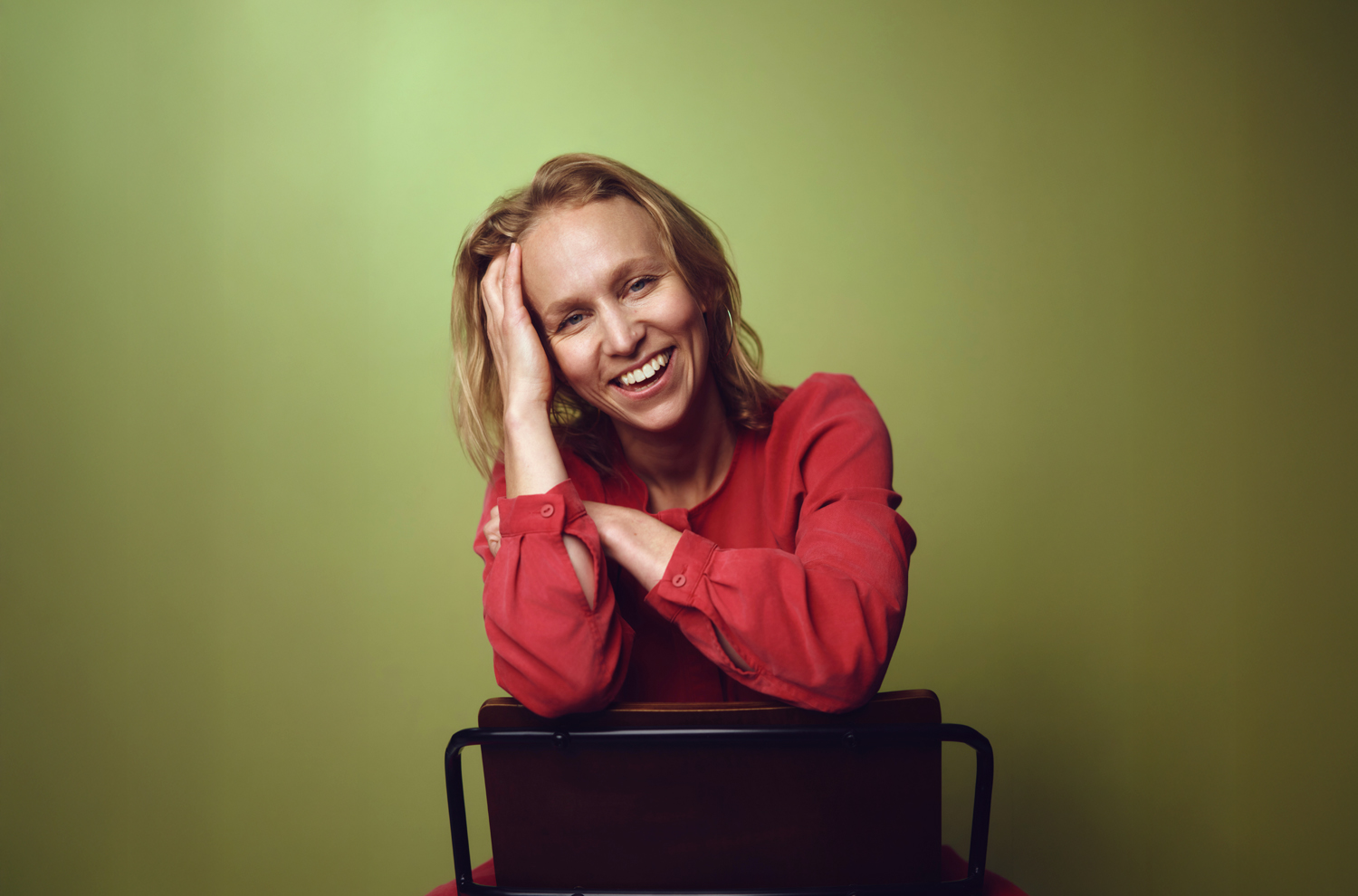
This week I’m joined by Kate Stirling – a high-performance strategist, mindset coach, actor, host of the Club Thrive podcast and Mum to a little girl. With over two decades of coaching experience, Kate is on a mission to encourage women to look beyond societal conditioning and rediscover who they truly are.
In our conversation, Kate opens up about the twists and turns of her career, her ADHD diagnosis in 2024 and how she’s now working to better serve neurodivergent women – particularly mothers who are juggling the complex demands of parenting and business.
We also dive into the role of creativity, the power of surrender and why embracing the messiness of life is often the very thing that helps us grow.
Conversation Highlights:
- 02:42 Early struggles and entrepreneurial spirit
- 17:16 Shifting perspective from traditional roles to entrepreneurship
- 24:48 Rediscovering self-identity post-motherhood
- 29:03 The pressures of financial independence
- 31:03 Embracing surrender in motherhood
- 38:43 Understanding ADHD and its impact
- 50:27 The role of creativity in a changing world
- 54:40 Embracing the messiness of life
Listen if you’re:
- A mum in business trying to balance ambition with motherhood
- Curious about ADHD and its impact on identity and work
- Feeling the weight of social expectations and ready to break free
- Looking for encouragement to embrace creativity and self-expression
- Seeking inspiration to start again, shift direction or rediscover who you are
Favourite Quote For Mums in Business:
“Anything is possible when we trust ourselves completely.” – Kate Stirling
About The Guest:
Kate Stirling is a high-performance strategist, mindset coach, actor, and podcast host. She helps women navigate self-discovery, growth, and neurodiversity with a blend of tools from health and fitness to NLP and creative practice. She’s also a mum to a young daughter, balancing the realities of business ownership with family life.
Connect with Kate:
Find Kate on Instagram at @katestirling_ and tune into her Club Thrive podcast… now called What It Means To Be Human.
About the Host:
I’m Victoria Phipps – a Mum of two, analogue family photographer, charity co-founder, marketing person and now podcaster! My career has wandered all over the place and is becoming a bit of a complex tapestry as I head into this middle phase of life, but I can honestly say I’ve loved every minute of it so far.
I was raised by a nurturing Mother and an entrepreneurial Father and have inherited traits from both, so the tension between ambition and motherhood is one I grapple with on a daily basis! I’m fascinated to hear the stories of other women on a similar path, who are striving to build thriving businesses whilst being present for their children. It’s a tough juggle, but I hope the conversations shared on this podcast help Mums in business feel less alone and inspired to keep going in pursuit of their dreams!
If You Enjoyed This Episode:
- Please subscribe, rate and review the podcast – it helps other mums find us!
- Share in your Instagram stories, tag @mummeansbusinesspodcast and let us know your biggest takeaway.
- Share this episode with a fellow Mum in business who you feel would resonate with Kate’s story.
Episode Transcript
Kate Stirling (00:07)
Really anything is possible when we trust ourselves fully. you know, sometimes letting go of the expectation letting go of the end then there is space
for that organic discovery
I really invite anyone that’s listening to like take the time to credit yourself for where you have done things that have benefited you, that have been different to what society says we should do.
that will build your self-trust will help you to figure out what it is that you want to do.
It’s about saying, you know, whoever you are, however you want to do it, let’s figure that out. that’s part of the joy. The reward is the answers to those questions do come. But we kind of do have to say, I deserve to explore that.
Victoria (00:48)
Hello and welcome to the Mum Means Business podcast, where we shine a light on inspiring women who have one thing in common. When they’re not managing tantrums, homework, P.E. kits and play dates, they are busting their gut to create something from nothing, to turn their passion into a thriving business and build a better life for themselves and their families. We dig into what motivates devoted mothers to pursue entrepreneurship and how they integrate their work and family life.
I’m Victoria Phipps, your host, and if you’re an ambitious mum in need of some solidarity whilst navigating the messy middle of making your big dream a reality, then stick around. This is for you.
Victoria (01:26)
My guest today is a high performance strategist and mindset coach, actor and host of the Club Thrive podcast. With 24 years experience in coaching, her mission is to encourage women to think beyond the social conditioning we have all been subjected to and rediscover who they truly are. With many tools in her tool belt, from health and fitness to mindset work, NLP practice and creative exploration.
She creates safe spaces for her clients to feel supported in their journey of self-discovery and growth. Kate Sterling has openly shared the twists and turns in her career, which have been shaped through her own challenges and experiences. The path through life is rarely straight, and by sharing her story, Kate gives us all permission to shift direction and even identity with each season of life. Diagnosed with ADHD in 2024, Kate is now exploring how she can better serve neurodivergent women
and particularly mothers who are inevitably navigating additional challenges with that same goal of thriving rather than merely surviving. Mum to a little girl, Kate is also wrapping her head around the juggle of motherhood and business owner. So we have a great deal to dig into today. And to be honest, I have no idea which direction this conversation is going to go in, but I am here for it all. Kate, welcome to the Mummy’s Business Podcast.
Kate Stirling (02:36)
you
You
Oh, thank you so much. That really, nailed it. We were talking before we started recording about great introductions and actually hearing one that has been written rather than kind of just taken off a website or, you know, from my words. Well, it really is quite nice. So thank you. I was like, oh, I feel a bit emotional. Thank you.
Victoria (03:07)
you’re very welcome. I mean, it’s all true and it all is part of your story, but I suppose, yeah, hearing it in somebody else’s words, I always think it’s just a really nice way to start these conversations because it just reminds us of all the things that we’ve done. So,
Your story of entrepreneurship does not start with motherhood. It starts way back when. And I think that would be a really good place to begin this conversation. What made you do it?
Kate Stirling (03:35)
good starting question. It’s funny because my brain always goes immediately to a time in my life that I was out who I was whilst also not feeling like I belonged anywhere. When I was 16 and I had an eating disorder, I had anorexia. But I think the whole…
journey of all of this probably starts before that and that it’s that moment where you just don’t feel like you belong, you just don’t feel like you are fitting into an
whether that was even at school, whether it was just through the things I loved, whether that was sports or performance and acting and play, like I was always as a child, I was very much like I’d be happy in the playground, like just imagining my own world and, you know, playing mums and dads and like all these kind of things. So I think that creativity and just that ability to respond to situations, which is what entrepreneur, entrepreneurship is in many ways, just kind of living in the moment and then responding to the moment.
and holding many plates and then deciding what we want to create and all these kind of things. I think that spark really was just who I was as a child. And then over time, you know, the eating disorder I had, the reason it’s so poignant and it surprises me because I haven’t talked very openly about that for a long, time, but it’s become part of those pieces of the puzzle now that I’m like, it’s actually interesting as to how it’s led me to here. Because after that time, I did go to uni and I took a year out before going to uni, but actually,
university even then it was like I would be engaged or completely and utterly like off and you know I nearly flunked my degree I nearly failed it but luckily making a film I made a documentary about the anorexia it kind of saved my degree and I think even those moments in study or in school where I was always very much like I needed that edge to get stuff done I needed that risk I needed that sense of danger I needed like a deadline that I was probably like didn’t have quite enough time to hit you know those moments as well are like
looking back, I kind of recognise as entrepreneurship because there’s this combination of chemistry that needs to happen to get stuff done. And I went off and, you know, had this gap year, did my media degree and then ended up working in TV. And it was at that time that I kind of, I think I just wanted, I always wanted more. I think I was just always hungry. And I think that’s what this entrepreneurial spirit as well is like, there is such a hunger about it, which is such a benefit and also a nightmare because you’re kind of doing all these things.
Victoria (05:56)
Hahaha ⁓
Kate Stirling (05:57)
that you think makes sense, you’re like, well, you go to uni and then you get a job. But inside, I think I just was like not satisfied. I didn’t realise that now. I think that’s what I have with hindsight. But you know, I’d always worked for myself. I’d always, I’d done babysitting. I’d always loved earning my own money. I’d always been very much like aware of that and encouraged to be independent and encouraged to have that sense of adventure in doing things by myself, that independence. And I think this edge of kind of earning my own money
having
my own freedom of what I wanted to do was just part of who I was. And it’s funny because I qualified as a personal trainer alongside working in TV. I never just had one job. I would work in TV and then I’d go work in a bar and then I’d be personal training. ⁓ Or, you know, as a teenager I coached tennis to kids. There was just always this sense that I really loved.
this idea that you could go do something and get money for it, which I’ve never vocalised until this moment in time. I mean, it makes a lot of sense now. I’m like, I didn’t realise I like getting paid for it. But you know, there was a sense of, I have something that I now have that gives me a resource to do something else. And so I think, I know that was a very long-winded answer, but I think it has just always been there. And it’s only from looking back that you realise how early that starts.
Victoria (07:14)
so did you come from an entrepreneurial family or is this something that you feel is within you?
Kate Stirling (07:21)
I think it’s innate. So my dad is a doctor or was a doctor and my mum was a physio. it was a very traditional, old school kind of traditional landscape. Dad was working, mum was at home a lot, which I, you know, I’m so grateful to my parents. Like I’m so grateful for that upbringing. And I think probably part of my challenge was that I haven’t had modeled in front of me necessarily.
Victoria (07:23)
Okay.
Kate Stirling (07:42)
Bye.
parents working in a business or, you know, I’ve heard a lot of podcasts or read a lot of stories about people that grew up in those worlds where parents worked for themselves. And I didn’t have parents that were, you know, running their own business or entrepreneurial, but I think probably within their character and how they approached life, there was entrepreneurship and creativity, but we just didn’t call it that. It was just there.
it was part of that world and how I was encouraged to explore all these different avenues, you know, that was a privilege that I only really kind of got to realise I’d had about 10 years ago and I was like, oh my I’m so fortunate to have that encouragement.
Victoria (08:21)
Yeah, I think it’s only in adulthood and we start to speak to contemporaries and hear about their experience growing up that you realise how people had very prescribed routes were planned out by their parents they felt they ought to follow for whatever reason. dad was self-employed and we did grow up in that environment.
was a lot of freedom. it was, you know, work hard and figure out what you want to do and make effort and try. But that was kind of it. There was no specific direction. And you’re right, it is a blessing to have had that because I think we all have this innate nature that we want to please our parents on some level. So you can work very hard going down a route that actually isn’t perhaps quite for you.
And so having that freedom brilliant. And you don’t realize how valuable it is until you’re older.
Kate Stirling (09:15)
my gosh, it’s so true. you know, just that encouragement to be resourceful, that encouragement. And I think it was a generation that we grew up in, you we would play out in the streets. Like you just don’t really see that now. There was so much freedom. It’s sad, isn’t it? It’s really, it is really sad. But like that outdoors nature was so cultivated in us. And actually, as you’re talking, you know, my dad did then leave the NHS and set up his own charity and did a lot of work for other companies. So that entrepreneurship was probably there. just didn’t, it’s only now that you mentioned that I’m like, actually, I think there was a lot more of that going on.
Victoria (09:18)
Yeah.
Yeah, I know. Yeah, so sad.
Kate Stirling (09:44)
but it wasn’t labelled as such but I’ve always been encouraged to do what is best for me and sometimes it’s just figuring out what earth that is, you know, sometimes that is the work.
Victoria (09:55)
Yeah,
yeah, definitely. And I think that’s the thing about the label of entrepreneurship. You can prescriptive about that, that it involves a business. And it really, for me, it’s just, it’s a spirit. And when you talk about that hunger, I think it’s just that hunger make an impact. And to do something that fulfills you, to lean into something.
that you enjoy and that you’re good at and that you can offer to somebody else and it has value. And then you get to the monetary exchange, which is obviously a nice perk too. But you talked a bit about finding that thing. I’ve certainly probably since becoming a mum as well, you know, what is the next thing? Because sometimes you find a thing and it really fits in that moment.
but then that moment changes and your environment, your circumstance changes, your story moves on to the next chapter and the thing doesn’t fit anymore and you have to find a new thing. And I feel like this is a really key factor in your story. it’s lovely to feel like it’s okay to evolve because traditionally, you you decide what you want to do, you go and get your job for life sorted.
and it’s just not like that anymore. So tell me a bit more about how you feel your personal circumstances and those unique chapters in your life have impacted what you’ve chosen to do in work.
Kate Stirling (11:17)
you’re so spot on with the fact that it’s a consistent evolution. know, when I think about it, it’s like there’s never just a single thing. There’s always so many nuances or dualities that are existing at the same time. And I think for me, part of it was really respecting the kind of narrative that as many of us born in the 80s, that, you know, the structure of going to school, the structure of going to uni, the structure of getting a job for women, the structure of getting married, the structure of having a baby.
the structure of being the mum, you know, all of these things, 100 % played into my life where I would then be in situations where I could recognise and associate with a certain decision or a certain choice being in alignment with that structure and that narrative of a woman’s life.
So you’re very good at creating a reality that you’re happy with because you don’t know what the other side is, the other side of you fully trusting that side of kind of saying, is this actually what I want? Or is this what society, my background, my friends have told me I want based on what looks good or what looks to be accepted or what feels comfortable because we’ve grown up being told this
Victoria (12:01)
Yeah.
Kate Stirling (12:24)
is what is right. And so I had a very strong narrative in my mind that that is what would happen. So when each of these milestones would happen, I’d be like, great, I’m doing the life. I’m like, yeah, I’m accepted. I’m like, right. I’m like, this is correct. And I met the man that I ended up marrying. And it was as a response to working in TV. I met him through TV. And it ticked the boxes. And I loved him dearly. It wasn’t for lack of love. But
Victoria (12:33)
Sick. Yeah.
Kate Stirling (12:50)
You know, I think the events that then kind of snowballed after that are in response to the fact that maybe in some areas, not necessarily in the relationship, but in other areas of my life, I also wasn’t fully trusting myself to be as big as I needed to be, to be as energetic or to be as aligned or the self-trust piece or the confidence piece or the fitting in piece. I was very, very adept at that sense of I need to feel like I’m a part of something. Like, you you just recognise all these signs.
growing up. And so without realising it, it feeds into our choices. You know, even getting TV, after uni, such a win, such an amazingly exciting world, but the work was so boring to me. I was not doing the exciting work I wanted to do. And I think that was also feeding into this sense, probably, of unfulfillment and lacking that sense of, I’m fulfilling my potential here. But we don’t know it at the time. It’s only looking back that you’re like, oh, that’s why I needed all these other things to expend my energy, or this is why I ended up drinking a lot of the week.
or this is why I end up comfort eating, or like all these other patterns of behaviours that we have, you know, are in response to us not truly living how we can best live, but it is happening often without us clocking it, and it’s only now
Victoria (13:47)
You
Kate Stirling (14:01)
And I’m so grateful to the path because I wouldn’t be here having this conversation with you. I wouldn’t be the person I am having not gone through every single challenge that has been thrown my way, But.
here and I feel like this is exactly where I’m meant to be. And it’s not been easy, and it’s been awful at times, but it’s also been a gift to be able to actually use it as an opportunity to kind of say, well, what is life about? But I do think that the narrative of what I had seen and learned about women
their life and their trajectory played into a story that I loved and deeply was a part of, but that maybe at times wasn’t the right path. And likewise with jobs, like just wasn’t right for me, just wasn’t, you know, frustrated really fast, bored really fast,
And actually, you know, we’re so creative as humans,
Victoria (14:48)
Hahaha.
Kate Stirling (14:50)
but.
These parts of us that are very part of humanity are just stamped out along the line of you must do this path. And I don’t know if your experience has been similar, but it’s interesting to see how it impacts us.
Victoria (15:04)
I mean, there’s a bit of talk, isn’t there, about our generation. I’m going to assume we’re in the same sort of generation. Because the world has changed so dramatically, so quickly, and, you know, we schooled in a system that came from the Industrial Revolution. And our parents had much more traditional roles. I mean, my mum didn’t work.
Kate Stirling (15:11)
haha
Victoria (15:27)
regularly, you know, she was always there, she cooked the dinners, she was looking after everybody. My dad was going off bringing home the bacon. And society has so shifted story and the narrative that we were, I’m not gonna say indoctrinated, and it’s not.
in a sort of aggressive way, it’s just the way it was, that there is this prescriptive expectation of how your life’s gonna go, is one that our generation is really struggling to reconcile in a way that perhaps hopefully our daughters will find that a little bit easier. And then there’s additional pressure on us to kind of help them, whilst we’re actually just trying to help ourselves and figure it out for ourselves.
And all of those milestones, like you said, You you go to school, you work hard,
I did all the good girl stuff. I went to uni, I did my gap year, traveled around a bit, circa 2003, traveled around a bit, went to uni, got the degree, went into the professional role, didn’t like it, but then quickly found another, it’s all jobs, and I went into the family business.
Kate Stirling (16:23)
Yeah.
Victoria (16:37)
And I started my photography business on the side because am a creative person. It’s taken me a while to even admit that, Cause I think when you do art at school, which I did, and then you do architecture at uni, pattern of education is all about criticism. And it teaches you basically how to have good taste. And taste in itself is so constrained.
It’s, this is tasteful, this is not tasteful. This is good behavior, this is not good behavior. And that is kind of, you know, just filtering you, funneling you down into a box. And I think actually my creativity was tempered and I felt like I had to fit it in at the side. So I started my photography business and obviously did have, and it probably comes from my dad, I do have that.
Kate Stirling (17:05)
Hmm.
Victoria (17:24)
kind of spirit of creating something from nothing is how I describe it. Like just making things. And it’s not that I’m a great artist, I’m not, but I had to do something for myself. I couldn’t just have this job and live for the weekend. And I do wonder if we all have that creativity in us, but that prescriptive life
go to school, get your job, find your husband, get married, have a family, look after them, retire, die, is not really connected to everyone’s happiness and
I think everyone has come to terms with that.
there will have been a moment either in their personal life or in their working life. You for some women that are so can it’s going for the safe corporate job and being laid off and being very good at their job and being laid off and thinking, well, this isn’t, that’s not safe. I thought if I did all of these things and ticked all these boxes, I’d be sorted. I’ve been realizing then that you’ve actually got little agency.
when you break it down and you’re spending all your time, your energy, all your gifts and all your talent working for somebody else to benefit them. And they can just turn around and say, okay, well, our business direction no longer aligns with having this department. So good luck, here’s a tenner, off you go. And I
becoming increasingly common. And I think that is one of the reasons why more women, and particularly mothers, are going into entrepreneurship, more through wish for flexibility, for more agency, and to enable them to be the mum that they want to be.
Kate Stirling (19:00)
Yeah, I honestly like what you were saying about creativity is so fascinating because as humans we’re creative but we don’t associate as creative unless even if you work in the creative industries, you know, we all have such unique
of associations with these words. And I only really realized I was creative when I started working with my own coach about four or five years ago.
being able to say, I am creative. I am creatively solving problems. I am creatively coming up with new ideas. I am creatively creating my life. Like I’m thinking something, I’m acting on it, and here it is. So it’s more about kind of saying, well, what does creativity mean? And how does that show up?
our lives and the whole association of, I always say this, but at school, art versus science, art and sport was seen as this, well, if you can’t do the science,
Victoria (19:47)
and music,
yeah, all of that.
Kate Stirling (19:48)
Yeah, and music, like all
these things. So we immediately already devalue ourselves if we’re unique in those areas. We don’t see ourselves as having that value because at school, science has been given like this value and, art and sport and music is like, well, you know, we’ll just shove you in the corner and we’ll give you whatever resources we have left. So we grow up not even valuing these skills that we have because the school system has told us they don’t have value. And so that also then depends on your upbringing.
your environments and the people you’re surrounded by to either give these things value or not. know, if you come from a family actors who were truly successful and, you know, Hollywood and whatever, you’re going to value that work differently to someone that grows up in a household that had to work really hard to make ends meet or whatever, you know, these kind of stories that we have and these narratives that we have underpinning everything.
And I think this is what, honestly, if this was cultivated at school, the kind of genius that we have as humans creatively, can you imagine the world? Can you imagine what outcomes we
Victoria (20:47)
Yeah.
Kate Stirling (20:48)
would have if people were more open to that. I think as children we are born creative. Like look at children with their play and with their imagination. And then over time the system squash it and we get into the boxes and we kind of, as you say, we do the thing because it’s safe and it’s sensible. But nothing is safe and nothing is sensible. And I see this with clients who’ve worked for incredible brands and incredible jobs and then they lose the job or they get made redundant. And it’s like their self-worth is suddenly stripped. And we do a lot of work around
separating it. It’s like you’ve actually created that outcome for the brand but you were the one that made that happen. Like that brand is just, that is your, that is the expression of your work. That result is not the brand, that is you you know, so it’s this sense of freedom of performance and expression too, which is where I think especially for women, we can trap unconsciously in that box of getting so
unbelievably anxious around the expression because we’ve been told no, that it’s unsafe to express and to be brave and to take those risks because it’s not been modelled or encouraged necessarily by a society that celebrates men in those roles or that celebrates leadership in a certain way, And actually there is this wonderful, wonderful box to be opened from within us when we allow that out to be like, actually, who am I?
And like, what do I love? who was I as a kid? And if I tap into that, well, that’s a spark of energy. Because it is about that energetic response, the mood, like you say, the wellbeing, the confidence, the sense that actually it’s so freeing. it’s safe because doesn’t matter if someone says it’s wrong, because you’re like, but I’m not harming anyone. It’s actually me just being me and trying to be a good person. And then it takes off all of that stress
Victoria (22:08)
Yeah.
Kate Stirling (22:33)
parenting thing, the adjustment into that. I mean, I’ve worked for myself for over 10 or 12 years now in many capacities. So I’ve freelanced in as an actor, in TV, like in so many different ways. And I think over the last couple of years, just really understanding I need to streamline to make it a sustainable thing. So there’s a shift, right? There’s an upgrade. There’s like a sense of, right,
the shit is gonna hit the fan. If we don’t get very, very specific and curious about what we need as both individuals and as mums
And it is about unpacking the confusion, I think, around traditional gender roles for both parents, but in this context for mums and for women who work for themselves or who want to work for themselves to kind of invite in the idea
that actually let’s just figure out how you can do that in a way that helps you feel your best rather than it having to match a certain image. And I think this is honestly what leads to so many mums burning out because you’re doing so much before you even get to think about work that’s unpaid, you’re also giving out love and time, but that love and time isn’t necessarily coming back. So I talk a lot about energetic ecosystems and like seeing not just money as a resource, but time, energy, love, fulfillment, like all these things that we’re giving out.
If we’re not getting any of that back, like the tanks just go and then that’s what impacts performance and also mood and what we believe we can do. There’s so much to navigate. It’s so much like over stimulation and curve balls and all this kind of stuff.
that it’s actually, I think, a really important topic to talk about openly, about this messy middle, about this sense that actually you have to do the mess to clear it up, to get to the real honest truth of what you want from your life, kind of working through the discomfort of that, because if we don’t work through the discomfort of that, we stay in the box, and our health and our wellbeing and our results, you know, they don’t benefit from that either.
Victoria (24:19)
And I think for capable women and particularly women who like you had a business before, that’s a shock to the system. And a lot of people, a lot of female entrepreneurs, founders,
they’ve made their business work because they put in the hours and work is bleeding into their evenings and their weekends, but they love it. They just love it. And suddenly their evenings, their weekends, even their daytimes, they’re not really their own and they have this new responsibility. And I think that’s massive in terms of an identity shift in a world where, as you said earlier, our jobs become so entwined with our identity.
And I think that first instance of becoming a mom is so, and sometimes I don’t think you realize it until afterwards when you look back, because it is such a haze, but it’s absolutely life shattering.
in lots of ways, you have to completely adapt to a whole new world. And this thing about rediscovery, which is obviously one of the things that you specialize in. And that might be rediscovery of who you were as a child
Or it might just be, what did you love before you had children? Because we can lose sight of that.
Kate Stirling (25:32)
Yeah, it’s one of the first questions I ask mums and they’re like, ⁓ God, I don’t know, I can’t remember. And it’s like, because it’s the whole thing with self-worth or value again, like many parents suddenly themselves to the bottom of the pile. And so they just forget and they don’t even have the brain capacity to be like, I need to remember to think about what I enjoy.
Victoria (25:37)
Don’t know. Don’t know.
Yeah,
no, completely. I remember my partner saying this exact thing and I said I was overwhelmed and he was like, well, what do you want to do? You you can, I’ll give you some time. What do you want to do that will help you, you know, just feel better? I was like, I don’t know. I just remember saying, I don’t know. And I didn’t know whether I wanted to be left alone or whether I wanted to go and see a friend.
And that’s before we even get into like the activity. just, your mental capacity is all just given to this role and all the load that everybody talks about that you’re carrying all the time. You know, know exactly when everyone last pooped. You know exactly what they’ve eaten that day, what they need to eat, you know, all these little things. And you know exactly where you’re up to with the washing. You know, I suddenly had a pink wash, never had a pink wash before.
a lot to carry. And you do, completely lose your sense of self. I’m gonna say, I feel like I’m just coming out of the other side of that. And now if I was offered an hour to myself, I would know what I wanted to do a bit more clearly. So it is something about that particular season small children. But yeah, I completely sympathize. I think that also quite scary.
because you just, don’t know what I want. And you feel pathetic.
Kate Stirling (27:03)
Yeah.
Victoria (27:07)
You feel so pathetic. Someone’s offering to help me and I don’t even know.
Kate Stirling (27:11)
I
know and I
this was where actually the bumps in life proved to be so helpful because one of the ways I’ve always coped with life is through exercise and so because that was part of my identity already as a trainer
I knew that the one thing I was not going to compromise was the ability to do a daily something, a workout, a stretch, something for myself, because I knew that mood and self-belief and just even connection to self through movement and through how we think is just like one of the best gifts you can give yourself to even clear that space. Even if you hate exercise, right? Even if you’re someone that has a really bad association with exercise, it’s the space. It’s not even…
about the workout, it’s about the space that it creates to listen to some music that you love, to move in a different way, to move the energy around, to shift the frustration, to get out.
Victoria (28:03)
Well, change your scene,
go for a walk. Yeah, exactly. Yeah.
Kate Stirling (28:05)
Yeah,
totally to change the scenery or whatever it is. And I think like that has helped me through so many periods of time, you know, after my divorce, when I was so depressed, exercise was like the one thing I could control. So it’s about control. And it’s also staying attached and connected to something to keep you mentally as stable as possible, because I totally agree with you. Like hands down, I’m the same.
feel like after three and a half years, I am emerging from a weird tunnel and I burnt out pretty hard in January because I think I was pushing hard in a season that was asking for me to surrender. And I think when you’re a really driven woman,
the craving for that independence and that craving for the freedom drives many other things. And there’s other fears that underplay that, you mentioned this we started recording that, One of my biggest fears was not having financial independence. After my divorce, I had to move back in with my parents and I vowed that I would never again be in a position where I wasn’t able to just move into a place of my own.
for me it was like this sense of potential codependency that had developed in the relationship I had been in that I never wanted to be in again, but in parenthood that has been
a nightmare because I have put so much pressure on myself to be financially independent by the time she goes to school so I can have the summer holidays off or whatever it is. And actually that stumps the creativity because we then don’t have space to trust that it’s okay to take time, that it’s okay to breathe, that it’s okay to enjoy those moments or to be frustrated or have the glass of water. You know, I was working with a client the other day and I was like, well, what would you do if you had all the time in the world? She was like, I’d have a glass of water. I was like, God, you know.
Victoria (29:20)
Yeah.
Hahaha!
Kate Stirling (29:43)
But it comes to this very basic level of survival. We are surviving often in these don’t realise it because we’re so high achieving and so showing up. And that’s where the burnout comes in because we keep showing up. We’re like, yeah, we’re great. I’m great. I’m fine. I’m fine. But underneath, we’re like, I’m really not fine. But I don’t know what I want. So what am I going to do?
financially if I’m really honest the last couple of years for me have been really messy. It has cost me so much more time than I ever anticipated becoming a parent. I felt so stupid when I first acknowledged that I was like I never thought it would take this much time being a parent.
But it’s the energy and the brain capacity and like you say the losing of the time that we probably would have worked that I would have worked or had freedom to use for work Evenings weekends. Yeah, I can do that. Yes. I could say yes to anything and now it’s like well hang on I just need to check if I have childcare Oh, no, my partner’s work is also not very flexible because he’s an actor. so it’s all these moving parts and then that’s a nightmare for organization which creates more chaos and so, you know, it’s about that real self-compassion to be like it’s
Victoria (30:20)
Yeah.
Kate Stirling (30:43)
okay if you’ve had your child and actually you’re not earning the 10K months. know, do it in a way that you want to earn that money potentially, because if you don’t do it in that way, you’re gonna end up burning out, feeling unhappy and getting depressed and like that is just not worth the 10K every month. It’s just not worth it.
Victoria (30:48)
Yeah.
Yeah, and I think social media plays into a lot of that as well. And that’s one of the reasons wanted to start this podcast.
And when was tumbling it in my own head, how I wanted it to work,
This is about the messy middle, because I think social media can be really dangerous in that you can go on and just see this constant messaging, but apparently it’s really easy to have 10K months.
If you’re not having 10K months, what’s wrong with you? You know, it’s easy, just buy my course and I’ll show you how to do it. And it’s kind of nonsense for the vast majority of people. And I think mothers can be made to feel quite disheartened. again, that they’ve done something wrong if that’s not their reality.
Kate Stirling (31:26)
Mm-hmm.
Mm.
Victoria (31:43)
and the thing financial pressure that you put on yourself. I’m gonna be financially free. I’m gonna be a millionaire by the time my daughter starts school. That’s my goal. Yeah, that’s my goal. And I’m not gonna start till I hit that target. And actually I think when we’re in a state of panic,
Kate Stirling (31:48)
By 10 years ago!
Victoria (32:01)
we can default into extreme productivity, or at least I tend And actually we can be very high functioning, but it is acknowledging that there’s a cost to that.
That kind of again comes back to this conditioning and this hyper productivity. And I don’t remember being hyper productive.
young girl and I was all about play and I think we all were and it’s kind of unpicking and this must be a lot of the work you do is trying to unpick that and do you find that there are patterns or do you feel like it’s different for everybody?
Kate Stirling (32:33)
It’s a good question, I think it’s a bit of both.
are definitely patterns, like the productivity, the showing up, the hero, look at this, like the need for validation, the kind of self-fulfilling prophecy of quite doing the thing that would actually help us feel our best and so therefore just doing the thing that still fits the system, But then it always depends on an individual’s story and their background. And then that’s where the surrender is important to allow up all of these very personal things. It can be very personal emotion often comes up from it because it’s been held down and clamped in
tense and you know when the body releases and when the brain also has the space to feel it’s allowed to express itself these things can come up and and often it is around the link with identity, but it’s also around the link with pride and life that we have created has afforded us a certain lifestyle or a certain status or a certain sense of value that is perceived as successful there’s this juggle of
I’m not happy, but the life I’ve created looks great and I’m fitting into all these other patterns and I don’t want to let go of that because I’m absolutely terrified that life on the other side is going to be worse. So it’s also about embracing this idea that actually when you really trust the work and you just keep exploring it and you keep taking those steps, they don’t have to be massive, but over time that compound effect of just continuously leaning into that intuition of what makes me feel good, what do I want to do versus what I think I should do as a repeated pattern to undo the pattern of what I
I must do that because I think I should. It’s like reverse engineering, what we’ve been taught. So it’s like the unraveling to then rebuild. So kind of unravel and then rework the mindset, rework the actions, rework the behaviors to create this alternative reality that is freer, that has space for surrender, mean, this is the one thing that I will say I kind of acknowledge now that we can see money as the value of success.
the external stuff is the only indicator of success. But as you were saying at beginning, health. I am proud of myself for not forcing myself to just earn money and prioritizing my health where I can, not always. And I did that and I still ended up borderline like having a breakdown.
because though of all these other factors that we have in our lives. And this is where the individual story is important and the individual emotional processing. You my dad has dementia, it’s awful. That’s been a two or three year process alongside becoming a parent. There’s like,
Victoria (34:50)
Yeah.
Kate Stirling (34:50)
I don’t regret the last couple of years. I’ve worked with incredible people. It’s just that how I was working wasn’t quite fitting for me. So you take all these nuggets of information of things not quite working and you take what has worked and you use that, you know, amazing testimony.
testimonials, amazing confidence, amazing step-by-step sense of my own self-expression coming out and then you also acknowledge, okay, well maybe setting up an in-person practice in Soho in my daughter’s second year of life, probably not the best idea but I did it and I’m glad I did it and yeah, probably contributed slightly to this but well, you know, we’re gonna use that so that even those horrible, tough, gnarly, messy times are like
Victoria (35:16)
Yeah.
Kate Stirling (35:31)
as valuable as the rewards you get for moving through them with that surrender. And I will regret not forcing myself out of bed when my daughter was a couple of weeks old to go to those kind of play classes and stuff like that. Like really invite anyone that’s listening to like take the time to really see credit yourself for where you have done things that have benefited you, that have been different to what society says we should do.
that will build your self-trust and that will build your sense of self and identity and will help you to figure out what it is that you want to do. You might not want to be someone that does workout in the morning. Okay, so how can you do something in your day that gives you that 30 minutes for yourself? What do you want to do? Even this thing with fitness, right? I don’t regret rebuilding my strength, but for someone else that might not have been the right time to do it. That’s also okay. It’s not like I’m better.
Victoria (36:10)
Yeah.
Kate Stirling (36:19)
It’s about saying, you know, whoever you are, however you want to do it, let’s figure that out. that’s part of the joy. The reward is the answers to those questions do come. But we kind of do have to say, I deserve to explore
Victoria (36:31)
definitely. And I think just the act of prioritizing it and putting boundaries around it, that this is a sacred thing. And it’s not even much, you know, that you’re gonna move your body each day if that’s the right thing for you. And it will be different at every stage of life because your needs will change. But just the act of saying, this is ring-fenced.
is telling your mind that you are valuable. And I think the act of denying it to yourself telling yourself that you’re not. And our thoughts are so powerful, aren’t they?
Kate Stirling (36:56)
Yeah.
Yeah, our thoughts are just unbelievably powerful. And if I can really hammer home at any point is that what we think and what we say does become our reality. I, before I even trained in NLP, know, mindset was a thing that got me out of my eating disorder. Mindset changes were the thing that helped me survive my divorce. mindset changes are the things that now will help me to create the success that I know I will create. But I’ve had to do that work in alignment with the emotional stuff that comes up to resist that. Because our bodies and our brains will resist that because it requires change.
and we’re conditioned to stay safe, so it’s not gonna want to change because it’s like, well, I’m comfy here, even if I’m hating it, I wanna stay here because it’s familiar. And it’s that process of just that compassion to explore it to then make those changes. like you say,
how we ring-fenced time. I am a big believer that my night in front of Netflix is sacred time. Like sometimes there will be time when I work through that for sure, but this whole idea of we need to slog our guts out to be able to reward ourselves with time that we want to spend on ourselves is absolutely counterproductive. And it’s not that it’s, don’t do that. So I do it too. So we’re all human.
So this important thing,
Victoria (38:10)
Thank you so much for saying that.
Kate Stirling (38:13)
all
human
and the thing is
when we’re constantly like, have this time and I’ve got to, we’re driving so much anxious energy. we have a story with women where it’s like, well, time is like really not on our side. That is a whole story that has dictated women’s lives forever. Is that we do not have time. You must worry about time all the time because you’re going to get old, you’re going to age and this is going to happen.
Victoria (38:30)
You’re deteriorating right
Kate Stirling (38:32)
Yeah, like, you’re geriatric because you’re having a child at, you know, 37. I’m a geriatric, yeah, I’m
Victoria (38:32)
now! 35, yeah.
Kate Stirling (38:36)
geriatric pregnancy. oh my god. And actually, really, when we just acknowledge that we have time, you
you can take the moment to look out the window and actually your trust then is building in yourself because it’s like I don’t need to stress out because I will work with the clients I’m meant to work with, I will get the jobs I want to do with my life, I will have that patience to be there for my child because you’ve taken that one minute to literally stare out the window, look at a tree and go wow isn’t the world amazing? You know?
Victoria (39:04)
Yeah, yeah, yeah. And it just roots
you back because we’re animals at the end of the day.
What I do wanna ask you about is your ADHD diagnosis because I do feel like there are a lot of women in particular who are in that middle section of life who are now finding…
that they have this diagnosis and actually it explains lot of the reasons behind challenges that they faced earlier in life and had they known they would have been perhaps better equipped to navigate at the time. So tell me how that came about for you and also how that’s impacted your business and perhaps the direction that you want to move forward with.
in your business.
Kate Stirling (39:49)
Yeah, I mean, to be honest, I just really struggled with parenthood on a way that I was like, this is not making sense to me that I’m finding this this hard alongside working for myself because I’d worked with kids. When I worked in TV, I worked in kids TV. I worked with children for like, 20 years. And so, you know, of course there’s differences to being a parent than there is to working with children, but it was that. And then also trying to…
build a business, trying to create a sense of like focus. And it was just, I can’t really describe it. I was just like, I am not coping.
I joked about having ADHD, But then the more I read into it and the more I did the tests, the kind of online tests, and the more I was like, oh, I’m just ticking all the extremely yes in these boxes. And then you look back over your life, because the thing with ADHD is that part of how they diagnose is that they look at how you were as a child. So I look back and I was like, oh, it was a bit of a daydreamer. I was very chatty. I very much liked to mess around a bit. kind of, if I wasn’t you know, that was the dissertation almost failure.
the fact that I pulled it out of the bag with a that got an RTS nomination. Like there’s all these kind of sides to it that I was like, there’s just so much here. And I’m starting to think about this so much now that I feel like I need and want to explore this properly, for my own sense of self and validation. Because one of the other things that I’d really, really struggled with was after my divorce, I went into an absolute spiral with a sense of rejection.
And one of the things that is a common trait with ADHD and neurodiversity is something called rejection rejection is not just rejection. It’s like visceral pain. for me, it comes up as like being stabbed in the heart like 50 million times every single time. And the thing is, is that I hadn’t.
experienced that until my divorce on that level. I was used to rejection. I was used to all the time, know, would audition, all these things. I was used to no’s, but it was this deeper level of what I perceived to be rejection because of the impact that my divorce had for me on my social circle, because it fragmented it for me. And this social circle was something I’d had my whole life and were people I’d known growing up. And it wasn’t anything they had done. It was just that for me, my identity within this social circle where I now had to navigate, you know, someone being a part of that social
that wasn’t with me. So obviously you end up doing things separately. So if people went off and did things separately, for me that was like a stab in the heart and it was a sense that I wasn’t loved. And it goes really like, it always reminds me of that rhyme, you know, well the first one is always kind of sticks and stones may break my bones but words will never hurt me. And the other one is the kind of going into the garden to eat worms type of thing. And it really drove this depression I think that I experienced and I became borderline suicidal. Like I went to the GP
because I actually was having moments where I was like, I don’t want to live anymore. And I think for me, that’s how far it can go. And I was reading just this last week that actually there are links to the mental health challenges that come with neurodiversity because of how we’re just responding to life. it’s not necessarily you’re going to have that because of being neurodiverse. It’s just that it’s how we’re responding to the world around us. And so I was like, I think I just need to figure this out because it’s not working with work.
struggling as a parent and I’m just, it’s just, I kind of feel like I want to know because with eating disorders and things it’s also prevalent with low self-esteem, like all these character traits I’ve basically spent my whole life mastering. So it’s great because I’m like, wow, now I have this huge toolbox I’ve developed over 24 years that I can now use to help other people do the same, which I didn’t realise was all linked to neurodiversity, but that was excruciatingly hard and parenting and trying to work for myself felt excruciatingly hard. And I think because we didn’t have, you know, my partner’s work was changing.
Victoria (43:13)
Mm.
Kate Stirling (43:31)
every week, was evenings and weekends, like it was just chaos. I, you one of the things is with it is like structure and having, which is why I think I like that morning workout. gives me a sense of like, well, this is how I start my day. So I explored it and the whole process, you know, took a year pretty much, but I, it was one of those things of, you know, the time is going to pass anyway. I thought I would just start the process and I don’t have to do anything in between. I can just wait. And then through all these, you know, you have go through all these kind of
interviews and you from partners or parents or whatever or how you were as a child and then you go through this quite lengthy and then just having the diagnosis, they just called and they’re like, yeah, okay, so you have ADHD and it’s combined and ⁓ okay, cool, do you have any questions? And it’s like,
Victoria (44:21)
Yes. Yeah.
Kate Stirling (44:22)
No, what do I do now? Okay, fine, thank you, okay, bye.
And I remember getting this call and just being like, okay, great, now I know, that’s cool. I’ve always thought I’d have that. Or I thought, you know, I had it. And then, for some reason, it’s taken me, again, nearly a year to actually absorb that. Which is why I think it’s only, literally over the last couple of weeks or couple of months that I’m like…
Victoria (44:37)
Mmm.
Kate Stirling (44:44)
I think this is an area that I can really have an impact in. And in answer to your second part, the question, you know, last year I was working with my coach and I was like, I just don’t understand why I’m not feeling satisfied in my work. this is where it’s really important, I think, from a business perspective to understand what you need as an individual alongside the practical elements of what business model are you going to do and how are you going to set that up and what income streams are going to come from where to understand what you need in a personal human fulfillment side.
that
edge of I need to feel like I’m engaged. I know this is very like general human stuff, but with neurodiversity, it’s kind of heightened. I need to feel engaged, otherwise I’m just not going to engage. I need to feel like energy to exchange. And part of the challenge that I had with my knee surgery was I couldn’t go for a run anymore. So I had to find out different ways of expending energy, which is why it’s so funny because I feel like having my daughter has actually weirdly in all of this mess, getting me to the point
Victoria (45:29)
Yeah.
Kate Stirling (45:40)
in my career that I would never have got to without all of these horrible things or challenges happening that I’ve had to navigate to get me into this focus of like, ⁓ you know, I want to work with people. Like working online is great, but I don’t think it can be everything that I do. Working in town is great, but I don’t think it can be just, I don’t just do that, which is where I think some old school business advice is like you do one thing and you sell one package. I don’t think it works for everyone. It doesn’t work for me.
Victoria (45:47)
Thank
Kate Stirling (46:10)
I’m a multifaceted creative, like as humans we are multifaceted and so it’s also thinking in this broader picture of success. Success for me is not losing my temper with my child which was starting to happen. and that scared me because I was feeling anger in a way I had not felt since a teenager and so even those moments I could then link in the pattern side of things to ⁓ that was maybe because actually I was also neurodiverse and so and it doesn’t excuse any of the behaviour traits we have to take accountability and
really strong on this, like we have to be self-accountable, it does not excuse all these things that we struggle with. It just means that we acknowledge them and then we try and figure out how to best harness it. You know, last year kind of realising, ⁓ I still really want to work as an actor. You know, I left drama school and then life just went haywire. You know, even when I was pregnant, I was due to go on tour with a play, found out I was pregnant, had just sold my fitness company to be able to then focus on my acting, got this job, found out was pregnant, bit of a surprise.
and
then the play got canceled like four days before we do to rehearse because of COVID. But I could pivot because I had all these other skills and I think this is what is so beautiful about when we work for ourselves or even if you don’t work for yourself right now but you’re thinking about it, whether you’re neurodiverse or not, it’s like when you really trust yourself just to kind of navigate life.
anything is possible because you just respond to it and you creatively say, what is an outcome that I can create here to tick as many boxes as possible, we might not be perfect, to then get an outcome that is gonna really fulfill me. And I think the diagnosis has been so important for me because I think there are people that have kind of said, it’s cool, it’s trendy, it’s a, whatever, everyone’s got it. But the challenges nearly, I think at times have…
you know, have pushed me to the brink of survival. yeah, we can joke about it. I joke about it all the time, but it is actually, work with neurodiverse clients who are really struggling and they give themselves such a hard time. And the problem is, that they’re trying to fit themselves, you know, it’s a square peg round hole analogy. They’re trying to fit themselves into the box that they just are not going to thrive in. So it’s also about facing those fears of rejection, often linked to success, right? So when we become very successful, we get worried sometimes about what people might think of us.
that’s heightened because of the sensitivities that we feel or if you’re hypersensitive or you know perhaps you have autism as well. But all of these things are magical things that we can once harness and understand how to best use them can then help soothe some of these other symptoms. The anxiety, the stress, the lack of focus, the clutter, the mess. The things that were unbelievably hot like I felt like my life was like I would be like I can’t wear it. It was just I felt like I was malfunctioning and I had never experienced
anything like it. All the tools that I had used before just were not working. And I think what I’ve read as well from women who are then going through perimenopause or menopause because of the hormone changes, it’s also another chapter of life where people are really, really, really having a hard time. And I think it’s really important we say it’s not just a trendy thing. It’s not just a cool thing that entrepreneurs have. Yes, it’s cool in many ways, but like it’s actually, it’s a really challenging thing. And I apologize. I kind of went off there on a very long thing, but I think it’s really great.
Victoria (49:20)
No.
Kate Stirling (49:22)
open up the conversation because I will be honest like when I had my assessment they flagged me for autism as well and I haven’t explored that but it showed me where I still hold bias because we’ve also been conditioned to see these diagnoses as very specific things the boy being you know unruly in a classroom and so it’s also about understanding where we might even be holding back exploring a diagnosis like that for ourselves because we have shame and shame is one of those
biggest stumpers of expression and performance because we get so worried about being laughed at or being rejected and when those fears are heightened anyway, you’re not going to explore it. And so we stay in the box and we stay not happy or not fulfilled or just not quite right. And so thank you for asking about it because I think for me it’s still like this messy middle. I’m still figuring out how to integrate it into my work. But what I do know is that many of the women, especially in the mums I’ve worked with, with neurodermatitis,
University are so unbelievably creative and so unbelievably talented and it’s about giving like what we’re saying about arts and science giving that side of life as much value as what we do to the more corporate or the more traditional paths.
Victoria (50:35)
Yeah, absolutely. And I think particularly with the rise of AI, you know, if AI can do so much of the clever stuff 10 million times quicker than any human brain could do it, then what is it that makes us human? And that is creativity. And I’m hoping that we see a massive shift in that sense, where the balance is tipped towards creativity.
our children, it’s going to be a very different experience. But I think with the neurodiversity aspect,
everything is so gray and so nuanced and everyone’s experience is so unique. And to joke about it, it’s kind of self-deprecating, that’s just my ADHD. And mothers do it, it’s just my baby brain. Baby brain’s an actual thing. Like it’s a chemical issue.
that we’re grappling with. Even now, I called my dog by my daughter’s name just yesterday. I was like, what is happening? What is happening? And I remember my mother doing it and thinking, I was looking at it thinking, why are you calling me that? What’s wrong with you? it’s a chemical thing that is happening because of the overwhelm, because of the mental challenge And I think it’s about finding clarity in your business, what is right for you at that stage.
Kate Stirling (51:25)
do that all the time.
Victoria (51:46)
obviously business has taken lots of twists and turns and in various seasons of life, it’s made sense for you to lean into one thing or another. And a lot of that has been about what you’ve needed, which I think is great because so often, you know, they tell us, don’t they? You you need to find gap, find something that you need. And there’s probably other people that need that too. now exploring this brand new
Kate Stirling (52:04)
Mm-mm.
Hmm. ⁓
Victoria (52:11)
And that RSD after your divorce sounds so painful.
And if you are,
Kate Stirling (52:15)
It was awful.
Victoria (52:16)
yeah, it sounds so painful know, we don’t want anyone to be in pain. And horrendous for the person who’s enduring it and working their way through it, but also stopping you from moving forward.
and you’re not thriving, you know, and the ambition surely for all of us has to be to thrive.
And it’s a shame that they diagnosed you and then sent you on your way, but it reminds me of having a baby.
like, here you go. You did it. Have fun. here’s a pamphlet. It’s like, ⁓ God, I’ve got a human and a pamphlet.
And it’s the similar sort of thing. You know, you’ve got this diagnosis and what you’re supposed to go and just spend a lot of time on Google.
what is supposed to happen next? And obviously there’s a support aspect needs to be put in place.
Kate Stirling (52:56)
Yeah.
Victoria (53:02)
And maybe you can share your journey with other people and you can help them with that support because so much I assume needs to be navigated practically. What does that mean in terms of, it is harnessing. How can I harness this knowledge that I have about the way that my brain works in order to help me fulfill my potential?
And that sense of purpose and finding those things that light you up that you can make a business out of in this respect. And how do you get to know yourself better so that you can see the triggers, you can understand it for what it is, and that you can move through it more quickly. And you’re still gonna have to probably move through it, but you know what’s happening and you don’t just feel like you’re falling apart at the hinges.
Kate Stirling (53:51)
Yeah, it’s definitely, it gives you that scaffolding. And I think, you know, exactly like the postnatal care. Like even as a pre and postnatal trainer, I was like horrified by the lack of support for women in their recovery. Like, what do you mean you don’t get all these things like how to rehab your abdominals? Like, what? I’m a trainer. Like, well, how is someone who doesn’t have that knowledge, what are they meant to do unless they have loads of money to spend on someone that’s going to help them do it? Or even the knowledge of it?
Victoria (53:55)
Yeah.
Kate Stirling (54:21)
you know, even the awareness. And I think I was given a lovely summary and some ideas of where to go next. But then I think the overwhelm or the sense of, I don’t know what I need. And so the clarity comes from taking that action. I think you’re so right in that, you know, to really harness that potential with anyone, right? So it doesn’t even matter. It doesn’t matter about neurodiversity or just humans in performance in that kind of aspect is to see the person and to give space for that person.
to be who they are and often we don’t know who that is until we start figuring it out rather than being like right well I’m just going to come and help refine your executive function you know
Victoria (54:58)
Hahaha!
Kate Stirling (54:59)
then it becomes about the square peg in the round hole again and it’s really about like bring your mess bring your mess
Victoria (55:00)
Mm, yeah.
Kate Stirling (55:05)
and let’s go play with the mess and let’s allow it to be let’s allow you to be just fully human so that you can figure out what you love and let’s figure out if you can make some money from it and also the thing
thing
under pinning a lot of this is the mindset around money for women mindset around those are maybe hypersensitive to ⁓ either prior experiences or the perception of money or the perception of success and the fear of that and the fear of failure and the fear of rejection and how that then inhibits those choices in business or as a parent. And so it’s also about holding space and encouragement to be like, right, what risky step are you gonna take today to go out there
and make a change, because otherwise, like you say, we’re very, very good. This is one of my highly great skills that’s got me through much of this last couple of years, is that productivity of creating some content and sharing it, because I feel like I’m doing something. there’s an element of performance, there’s an element And so we can also then understand what we need and then create more of it and be like, really, we can make money from anything. It’s just a matter of allowing ourselves to do that and taking off all of these blocks and these barriers that are stopping us from making it a reality.
to kind of be like, right, I dare you. You I’ve got a program called Dare to be Seen and it’s all around this sense of duality of we feel those emotional responses and then we take that time to pause and rather than responding in those moments,
to be able to then separate it to practically what step can you now take is that going to get you what you want or is that a bit safe or do we need to take a bigger risk or is that okay it didn’t work out so okay let’s go and try so it takes the pressure off everything having to be like every step having to be right
Victoria (56:43)
Yeah, exactly. And I think it’s that phrase, which I hear quite a lot at the moment, you don’t lose, you either win or you learn, which I think is so evident in your journey because you haven’t given up at any stage. You are going to find the thing that is right for you as a mother.
You know, those things that you were doing before, and I’ve gone through a similar thing, just don’t quite fit right now because this is a very different season of life.
And I like it’s quite an exciting time for you and your business because you are just coming out of the trenches, that haze of, you know, baby toddler and your daughter is going to be four and then she’ll be into school and you kind of get a little bit of head space back, seem to be…
on the cusp of some real clarity, which I think is often something that we’re just striving for. Like, what is it? Where is this clarity? I supposed to be doing right now? You know?
Kate Stirling (57:33)
Yeah.
Yeah, and you know, it’s so funny this morning, I was saying to my partner, was like, it’s coming, it’s coming, I can feel it, it’s coming. And he was like, when is it coming though? And I’ve been saying this for like two years, it’s like, but it is, because every day we just take those steps, every day, and like each step is taking us somewhere. And there’s like another Japanese proverb that’s, it’s better to get off the train.
Victoria (57:46)
Hahaha
Yeah, yeah,
Kate Stirling (58:02)
before you get to the wrong place. Like if you feel like you’ve got on the wrong train, like get off as many earlier that you can, rather than just following it because you think it’s right. And you know, this concept that actually.
Victoria (58:04)
Yeah, yeah, completely.
Kate Stirling (58:14)
Really anything is possible when we trust ourselves fully. I’ve got trust tattooed on my wrist It’s a big yeah, like a good grounding I think like having those words like one or two words just to ground back down into reality when it’s chaos and Just kind of saying, you know, sometimes letting go of the expectation letting go of the end Let go knowing what it is that we’re even working towards whilst having goals and having you know Things that we do want that’s important. Otherwise, we don’t have direction, but then there is space
Victoria (58:19)
Have you? ⁓
Kate Stirling (58:42)
for that organic discovery and and that’s where I genuinely think that’s where those nuggets of magic you’re like my god there’s what is that that is like exciting
Victoria (58:50)
Yeah, yeah,
And I love that you have trust tattooed on your body because it just makes often we are completely detached from our bodies and we’re going a million miles an hour and we’re living very much in our heads. And actually to just look down and be like, okay, well what does, because your body tells us if we just will listen and I’m awful at this. Don’t do it half as much as I should do. But
Kate Stirling (58:56)
Yeah.
Victoria (59:16)
I have one last question for you and I feel like
Kate Stirling (59:17)
Yeah, go
Victoria (59:18)
feel like it ties in.
quite nicely to our conversation because it is so much about self-discovery. So in this season of life, you’re a mother now, you’ve had all those experiences and meandering career and all those passions that you have very determinedly pursued at different times. What would you say now looking back to your eight-year-old self?
Kate Stirling (59:40)
These are the questions I ask people.
I think I would really say.
have fun and like you’re okay and trust yourself. Like I know it’s such a cliche because I have it on my wrist, but I think it’s like, it’s okay to feel different.
It’s okay to not know where you belong because it’s coming. And when it comes, ⁓ my God, it’s gonna be the most magical experience you’ve ever had in your life. And it’s gonna make all of the challenge that you’ve had to go through to get there so worth it. And so I don’t wanna scare you. I don’t wanna worry you, there are some bumps ahead, but you’re gonna be okay. And yeah, just keep being yourself.
Victoria (1:00:17)
You
Kate Stirling (1:00:26)
Just allow that to be who you are.
Victoria (1:00:29)
Love it. Thank you so much for taking the time to talk to me. I feel like honestly, Kate, we could just keep going into the evening, like literally all day. And I feel like maybe there’ll be more conversations in future because there’s lots of things that we’ve kind of touched on that we could dig a lot deeper into, but I’ve loved it. It’s been brilliant. Thank you so much. Tell me where can everybody find you if they want to connect with you?
Kate Stirling (1:00:36)
All day. I know. I know, me too.
Victoria (1:00:56)
and learn more about how they could work with you, where should they go?
Kate Stirling (1:00:59)
I love connecting, so come and say hello on social media. I’m at Kate Sterling with an I-R, L-I-N-G, underscore. And that’s probably the best place right now, to be honest. I have a podcast as well, Club Thrive the podcast. So come and check that out, come and follow that. And I think just for any mums, I just want to share this last little thing is that I was so grateful growing up that my mum was a mum at home. And I think in this generational shift of trying to figure this out, I’ve discovered that that is something I truly want to keep honoring.
that we are allowed to still want to be that image of a mum that is there for our children. We can afford nannies if we want, we can do that too. That’s not a problem, there’s no judgment there. But also if you have that pull to be there with your child, like notice it and acknowledge it and just allow it to be there whilst you figure out these other things. Because I think that’s been something I’ve found unbelievably strangely confusing. And I think if I had any wish of compassion for myself, it would have just been to surrender into that a little bit more, that identity of being a mum.
Victoria (1:01:58)
Yeah, I feel very proud to be a mum. And I think it’s because I had such a good one. And I think perhaps you feel the same way. And so lucky. And it’s the foundation of your life. know, that relationship is so essential. And my mum was at home too. And just that thing of looking back and thinking, gosh, she was just always there, anything we needed. She was just present.
Kate Stirling (1:02:03)
Mmm, yeah, so lucky.
Victoria (1:02:23)
And there are so many stories of mums.
in the messy middle of this or at the very start just trying to figure that out but it is drive at home and at home doesn’t look the same as it did for our mothers there are so much more pressures that come with it now because often we’re working at home we also have big financial pressure to
pay all the bills. And I think it does look different, but it’s attainable. And I think all the stories that I’m sharing, including yours, just hopefully go to inspire any mum who is out there, just like you said, who is with this or perhaps has an idea for what could be a business, but just needs that feeling of solidarity and that feeling of, okay, well, she’s done it and she’s done it.
So maybe I could do it too. And I think that’s a big motivation for me in making this podcast. And you’ve shared so much wisdom in this episode and I’ve loved it. And I’m sure lots of people will really resonate with a lot of what you’ve said. So thank you very much. I appreciate it.
Kate Stirling (1:03:14)
Mm-hmm.
Thank you for having me. I appreciate it too.
Victoria (1:03:41)
I can’t quite believe how much ground we covered in that conversation. I usually keep a list of questions close to hand and I can honestly say I didn’t even glance at it. Kate’s energy is infectious and I really appreciate how open she is about her own experiences and the times when she’s felt like she really didn’t have it all figured out. Real growth often comes from the most challenging times in our life.
And it’s so good to see a fellow mum feeling excited that she’s on the brink of something new in her business that feels aligned with the season that she’s in right now. I’m starting to understand growth is something that we should be seeking rather than shying away from. In my early 20s, I remember feeling paralysed to act for fear of making a mistake. There was no space for growth.
And it’s only when we’re willing to fail and learn that we really start to see significant progress in any area of our life. And I’m going to be keeping a really close eye on what Kate does next.
Victoria (1:04:38)
Thank you so much for being here. I know your time is precious and I appreciate you tuning in today. If you enjoyed this episode, please subscribe, rate and review the podcast because we want as many mums as possible to find us and join in the conversation. If you have thoughts, questions, love letters or even hate mail, please send them my way. I read every single message. For more resources and episode show notes, please visit our website at mummiesbusinesspodcast.com and find us on Instagram.
at Mum Means Business podcast for behind the scenes content and updates. Until next time, I’m wishing you only good things in life and business, and I will speak to you soon.