
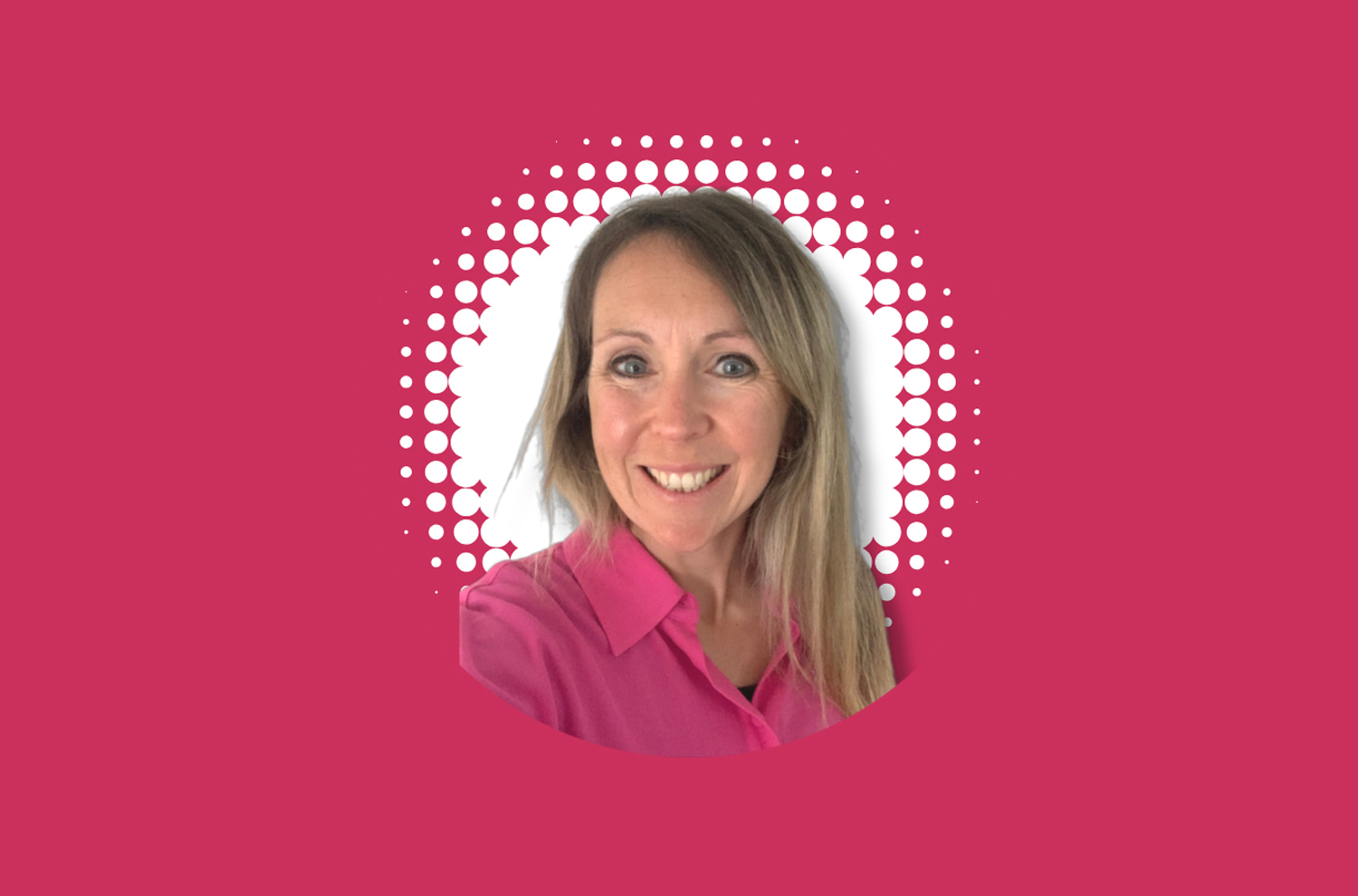
This week on Mum Means Business, I’m joined by Louise McGuill – a former teacher who turned her expertise for curriculum design into a thriving business teaching entrepreneurs how to harness the power of email marketing.
After 18 years in education, Louise took the leap into entrepreneurship during motherhood, driven by a passion to help service-based business owners create simple, effective email strategies that actually deliver results. Through her signature program and 1:1 support, she empowers time-poor founders to grow their businesses without being at the mercy of ever-changing algorithms.
We talk about the pivotal moments that shaped her journey, how she overcame imposter syndrome, the importance of investing in yourself and why email marketing is still one of the most powerful ways to build genuine connections.
Conversation Highlights:
- How maternity leave can be a catalyst for change
- The power of identifying transferable skills
- Building confidence and overcoming imposter syndrome
- Balancing business growth with motherhood
- The importance of investing in yourself
- Why email marketing is still the most effective tool for entrepreneurs
- Redefining success in life and business
If you’ve ever wondered how to make email marketing work for you or you’re looking for encouragement to take the next step in your business, this episode is packed with insight and inspiration.
Listen if you’re:
- A service-based business owner who wants to grow with email
- Feeling stuck in your 9-5 job and dreaming of a new path
- Navigating self-doubt in your business journey
- Tired of chasing algorithms and craving something more sustainable
Favourite Quote For Mums in Business:
“Without investment of time or money, there’s not going to be a change. That is part of the learning process.” – Louise McGuill
Connect With Louise:
To learn more about Louise’s email marketing programs, find her on LinkedIn or connect with her by email: louise@louisemcopy.com.
About The Host:
I’m Victoria Phipps – a Mum of two, analogue family photographer, charity co-founder, marketing person and now podcaster! My career has wandered all over the place and is becoming a bit of a complex tapestry as I head into this middle phase of life, but I can honestly say I’ve loved every minute of it so far.
I was raised by a nurturing Mother and an entrepreneurial Father and have inherited traits from both, so the tension between ambition and motherhood is one I grapple with on a daily basis! I’m fascinated to hear the stories of other women on a similar path, who are striving to build thriving businesses whilst being present for their children. It’s a tough juggle, but I hope the conversations shared on this podcast help Mums in business feel less alone and inspired to keep going in pursuit of their dreams!
If You Enjoyed This Episode:
- Please subscribe, rate and review the podcast – it helps other mums find us!
- Share in your Instagram stories, tag @mummeansbusinesspodcast and let us know your biggest takeaway.
- Share this episode with a fellow Mum in business who you feel would resonate with Louise’s story.
Episode Transcript
Louise Mcguill (00:07)
you do need to invest in yourself and it isn’t being selfish. That’s the biggest thing. I don’t know about you, but you feel like you’re being selfish.
taking this amount of time to learn or taking this amount of money to put into that when it could be used for this or whatever. But without investment of time or money, there’s not going to be a change. That is part of the learning process. You need that input from other people and learn from other people, whether that’s time because you’re spending it on YouTube or wherever you are, or whether that’s money because you’re investing in the people that you want to learn from.
you do need to invest in yourself.
Victoria (00:41)
Hello and welcome to the Mum Means Business podcast, where we shine a light on inspiring women who have one thing in common. When they’re not managing tantrums, homework, pee-kits and play dates, they are busting their gut to create something from nothing, to turn their passion into a thriving business and build a better life for themselves and their families. We dig into what motivates devoted mothers to pursue entrepreneurship and how they integrate their work and family life.
I’m Victoria, your host, and if you’re an ambitious mum in need of some solidarity whilst navigating the messy middle of making your big dream a reality, then stick around. This is for you.
Victoria (01:18)
My guest today is a former teacher and curriculum developer who earlier this year left her 18 year career in education behind to, as she puts it, use her superpowers to teach service-based entrepreneurs how to master email marketing. Through her signature program and one-to-one service, she gives time poor business owners the tools, expertise and confidence they need to build relationships, leads and sales through the power of email.
Louise McGwill is on a mission to simplify email marketing for all so that entrepreneurs at any stage can put strategies in place to grow their business without becoming a slave to the algorithm. Louise is also a mum of two girls, aged three and seven. And when I logged into LinkedIn this morning, I saw mum life in play on her profile, following crossed wires over whose turn it was to have the children today. Happily resolved, so she’s here with us now, but a panic I’m sure we’ve all felt at one stage or another.
Starting a business as a mother of two is no easy feat. And Louise, I want to hear all about the journey that has led you to where you are today. So let’s dig into it. Welcome to the Mum Means Business podcast.
Louise Mcguill (02:25)
Thank what a great little intro, thank you. I might pinch that for my own.
Victoria (02:30)
Well, it’s your story. It’s your story. So you recently left career in education to pursue entrepreneurship, which I imagine felt like an enormous shift. So tell me what made you do it.
Louise Mcguill (02:43)
Yeah, it’s been a bit of a journey really to that point. 18 years in education, well in any career really, but education feels like this big bubble that you’re stuck in and everything else is very, very different outside of it. So I actually had a bit of a two to three year plan. I knew I wanted to get out at some point. yeah, it was almost probably three years ago when I started putting a bit of a
action plan in place and then unbelievably this year literally just a few weeks ago was my last day in teaching. Literally closed the classroom door really recent yeah yeah.
Victoria (03:19)
so it’s so recent. Wow.
Okay, so tell me a little bit more about, obviously 18 years is an awfully long time, as you’ve just cited. What was it that triggered you to start thinking that you might wanna take more ownership over your working life?
Louise Mcguill (03:37)
Yeah, was really when I went on maternity leave. So basically I was in a really large junior school and worked my way up to the director of teaching and learning and the senior assistant head of the school, myself and two other leaders running the school. And then I went off on maternity leave and had my baby and did not realise how
how stressed and consumed with work I was until I had that moment of step away and the massive change that a baby brings as well. Yeah, I realised that my life had really been taken over by work and I was incredibly stressed when I left.
I didn’t really think that I wanted to leave at that point. I had a wonderful year of maternity leave and then I started to talk to the school about going And it was then at that point that I was refused flexible working as a leader. I was told that I would be able to go back for a massive pay cut and just go back as a teacher after working so hard to get to a leadership position. that just didn’t sit right, didn’t sit right with me.
I didn’t go back after my maternity leave to that particular school. I went to another school and did just do teaching, which actually worked really well because the pressures of a newborn baby and then to have to teach on top of that weren’t really on my radar. It was more the principle of the fact that I was being told that I couldn’t go back in my leadership position that really struck a chord with me. And then from there, really, I went back two days. So I worked two days.
really lucky to be able to go back part-time but it’s still very consuming career to be in, your work doesn’t stop on those two days as a teacher, it keeps going, late nights, lots of planning, etc etc and I just knew that I needed to put something in place so that was actually seven years ago so that was with my my that all happened yeah so I stuck it out there and was teaching.
and then went off and it was COVID and everything like that in between and then I went off for my second baby and it was then that I just knew I needed to get more serious about look if I’m going to be leaving and I do want to leave it’s just not the creative space anymore that I went into 18 years ago. Things are very different in education I wasn’t particularly enjoying where it was going. Lots of and workload and pressures.
So yeah, that’s when I started to look around. That was my initial catalyst then for on my second maternity leave. It’s the maternity leaves. Honestly, they just give you so much space and time to think.
Victoria (06:04)
so right. You often don’t realise how stressed you are. And it sounds like you’d worked really, really hard in your teaching career got to this senior position with lots of responsibility, lots of credibility and experience. But obviously a lot of work to do and you’re just going through the motions and then it does take that break and that complete shift. mean, obviously you’re still very busy and you have a newborn baby to look after, but…
your day to day, really it’s mad, isn’t it? You you’re performing in your role, you go off on maternity, you have your baby and it’s just a dead end, it just stops. And it’s quite a shock to the system, especially when you have your first baby anyway, because there’s lots that comes up around identity and that transition can be really emotionally complicated. And I completely understand why that would have felt like quite an affront at a time when you’re
trying to kind of recalibrate in this new role as mum. To be told by your previous school that there’s no flexibility and that actually if you wanted to kind of try and find some balance so that you can be the mum that you want to be and be a bit more present, then that would mean you have to sacrifice that previous role, and that’s kind of a great achievement to have got to that point, and that was your whole world beforehand.
and you to put in obviously all the hours and really devoted a lot of energy to getting there. That’s hard to take, isn’t it? Did you?
Louise Mcguill (07:32)
Yeah, it was.
It was at the time. And to be fair, it kind of consumed a couple of months of my maternity leave, knowing what to do, know, union involvement, knowing what my rights were, et cetera, et cetera. And yeah, it did. It took over a little bit of, well, as much as I would allow it, I was becoming much better at boundaries by that point as to how much I would let it kind of consume me. But it did. It really did. And it’s still…
Victoria (07:43)
Yeah.
Louise Mcguill (08:00)
frustrates me to this day that I’m hearing stories of it still happening to people. You know, that was seven, eight years ago and I’ve spoken to a number of people where actually the same things are happening. You can go back, but you have to go back full time in a leadership position. And there’s no flexibility for you to be, like you say, the parent, the mother, whatever you want to be for your family and be at that professional level you’ve worked hard to be at.
Victoria (08:25)
Yeah, it’s also an anxiety that you don’t need when you’re trying to adjust to motherhood and look after your baby and concentrate your energy there. And I just think it’s a great loss for the teaching system as well, because they’ve invested in you just as much as you’ve invested in them. And they’ve effectively now completely lost you. And all that expertise that you had to offer the education service you’re putting it somewhere else, which is fine.
Louise Mcguill (08:29)
Cool.
home.
Yeah, exactly. Yeah, exactly.
⁓
Victoria (08:52)
Business owners
benefit where the education system is now losing out. Yeah. Okay. So your second maternity leave and your youngest daughter is now, she’s three. Okay. So my daughter is turning three in September. So around the same, my youngest around the same age. So your second maternity really kind of was a catalyst in that, because I think there is something about going from one to two where actually that’s, I mean, you think the shock of just having one, obviously that’s.
Louise Mcguill (09:03)
She’s just turned three. Yeah.
Vietnam.
Yeah.
Victoria (09:20)
massive, but going from one to two, it just seems like it’s this whole other, I don’t know, chaos, chaos that you have to embrace. So tell me about what happened after your second maternity. You obviously, you went back, you said part-time as a teacher, but your work is still bleeding into your evenings. And I’ve heard a lot of teachers say, actually, it’s almost harder when you’re part-time because you’re kind of out of it in terms of what’s going on in the school. And you
Louise Mcguill (09:25)
Yeah, it’s just huge. ⁓
Hmm.
Yeah.
Victoria (09:47)
So at what point did you think, okay, this really isn’t working for me now and it’s time to take the leap?
Louise Mcguill (09:55)
Yeah, so that was on the maternity leave really because I wanted to get out too, like you just said, it’s such a juggle and my second pregnancy wasn’t as easy as the first pregnancy. my little one wasn’t so little, she was a rather large baby went through a lot of kind of personal development, if you like, through that time as well and just got to a stage of really being able to
believe in myself, my ability and ended up giving birth to this £10.8 baby you know just the power of breath basically
Victoria (10:28)
Wow.
Wow, amazing.
Louise Mcguill (10:32)
is a whole story in itself and that kind of just gave me everything that I needed to go to know if I could do that I can do bloody
Victoria (10:32)
Well done. I’m impressed.
Louise Mcguill (10:39)
so I really wanted to enjoy that maternity leave I did
Victoria (10:39)
Yeah.
Louise Mcguill (10:45)
but also use it as that space and time to think, right, what else is out there? You know, let me explore. I’m going to do lots of research, talk to people. And then this thing called copywriting popped up probably on an algorithm, an ad on Facebook or something like that. And that was the first time I’d even heard of it as a thing. I didn’t know what it was. I investigated it. And then kind of the cloud started clearing, if you like. And I was like, oh, hang on a minute.
I do this every day about six or seven times in every lesson. I take a child on journey from point A to point B. I need to get their buy-in. I need to understand what makes them tick. I need to get them enthused about it so that they can achieve the thing they need to achieve by the end, which ultimately is copywriting. You’re taking people on a journey
It just happens to be through words rather than through a presentation if you like of a teaching sequence. then with all the curriculum stuff that I’d done, I’d done lots and lots of writing before and everything just started to so I did lots of studying on my second maternity leave. I did some online courses, did lots of practice, started talking to different business communities and…
was wowed quite honestly with what was out there. Literally that tip toe out of that education bubble really did open my eyes to a whole different world that was out there. I’d made a great deal of very, very good friends at that first school. It was a proper school where everybody became friends. It was a real family.
and then the second school, because it was part time as well, I felt very detached. I wasn’t making those links. I didn’t feel the need to make those links really as such, so I didn’t really have any ties to it, except the role that I was doing, obviously. So yeah, that kind of helped me push forward in, right, if I’m gonna do this, me dabble now when I’ve got some time. Let me figure things out and
let me learn and see if this is that really I do want to pursue and can give me the freedom that I want and not have work in a way that I didn’t enjoy anymore really.
Victoria (12:50)
Yeah, I think you go into teaching, I imagine, with so much enthusiasm that you’re really going to make a difference. And it’s a shame that you kind of, you know, 18 years in didn’t quite feel that way. So tell me what did those first steps, know, email marketing, I’m guessing comes a little bit later. What were the first steps in copywriting that you took?
Louise Mcguill (13:00)
⁓
Victoria (13:09)
in order to kind of start feeling around, you know, is there a business in this? What did you do?
Louise Mcguill (13:14)
Yeah,
yeah so I was writing blogs for people, website copy, articles and newsletters all sorts of different people in fact when I first started my niche if you like was within sustainable fashion, sustainable clothing, because I
read something again, it was fascinating doing all this research. I read about the real issue that the world had, with textile waste and that again opened up my eyes to something that I didn’t know about. And I worked for a few companies within that and did a couple of emails and newsletters and I just loved what, I loved the actual writing of them.
and then also the opportunities that they can bring other people. again, email marketing wasn’t something I’d really heard of or done before. Obviously I have the emails coming in, but I’d never unpicked them within my own inbox. So then I started again, did some more learning, did some more courses, et cetera, on email specifically, just loved again those doors that opened up with.
Wow, okay, this is using the power of words in a totally different way because you’ve been invited into somebody’s inbox and to get that invitation, that’s a very precious place to be. And if you’re in somebody’s inbox, that is a very personal conversation. And that was kind of giving me that kick, if you like that. I love that buzz of, if you’re a teacher, you just love that buzz of helping people, supporting people, knowing that you can give them something that they need or want.
and that helped me get that buzz that I wanted and enjoyed
Victoria (14:48)
That’s great. So you found the reward that had been lacking towards the end of your career in education, which is brilliant. And I think it’s that sense of purpose and value and fulfillment is so important in our working lives. I think it’s great that you just, I mean, obviously you, you educated yourself during that maternity leave, but then this thing about niching down into sustainable fashion that you just learned about sustainable fashion. And then did you just reach out to
Louise Mcguill (14:52)
Yeah.
Yeah.
Victoria (15:17)
businesses that were in that field and offer your services. Yeah, great. It’s great. But that’s what I was trying to get to. I’m like, well, what did you, you know, did you know people that needed it or did you, but actually it’s quite bold to, just go and say hi and knock on the door.
Louise Mcguill (15:19)
Yeah, it’s crazy. ⁓
It’s crazy talking about it now because I think, my God, I actually did that. So yeah, basically I went onto LinkedIn. I started LinkedIn account. Again, never been on there before. I thought it was like a job sport kind of thing for stuffy old businesses. Exactly. Exactly. So I started to learn about that. And then I did actually, I invested very heavily within a coaching program. that was one of the most scary moments of my life because I invested a lot of money that I didn’t have at the time.
Victoria (15:43)
But why would you? You were a teacher. You know.
Louise Mcguill (16:01)
in this and put 100 % belief and effort that that was going to help me build my knowledge even further, more of how to get leads, how to do sales, how to build this community around you to help as many people as possible really. And it did, it helped me a great deal and from that I learnt how to go onto LinkedIn and everything that I do on LinkedIn. So I think my LinkedIn journey started probably nearly two years ago now and I’ve been
posting daily since, that was my kind of commitment, everyday posting on there and building the followers and the connections and yeah, I basically connected with a whole load of people in textiles, sustainability, fashion, et cetera, and chatted to them. And because I had a genuine interest and intrigue, like it was, it’s all new and I’m genuinely interested in it. And just opening up and being…
Victoria (16:32)
Wow.
Louise Mcguill (16:56)
the personable person that I am and having chats and conversations and then having the guts really just to ask do you need any help with this or you know I’m starting this if you need anything let me know those kind of questions so yeah it’s quite nice thinking back actually because I forget what I’ve done yeah
Victoria (17:16)
Yeah,
it’s really amazing because especially when you look at it in the context of your career before, because being a teacher, you’re quite institutionalized in a way. You don’t have to be particularly brave and put yourself out there and you don’t have to market yourself.
And actually it’s quite a vulnerable act to then go so quickly into this kind of freelance role, which I guess is what you were doing at the time and just reaching out and asking for work. It’s great. It’s really ballsy. And actually I think that sort of level of vulnerability is what’s, what puts a lot of people off.
Louise Mcguill (17:48)
Yeah.
Victoria (17:54)
did you have any hesitation in it or were you just like, no, fuck it. I’m gonna ask.
Louise Mcguill (17:58)
Yeah, yeah,
I literally it was like the rollercoaster some days of a light right? Yeah, no, okay Let’s just do it and then other days of that. What am I doing? I feel like such a fraud like this is so new There are people out there have been doing it for years like, you know the whole doubt and imposter syndrome Completely, you know that I know a lot of people all relate to yeah, and it still happens it happens to everybody It’s you know, you you are you’re thinking well, why would they pick me up just starting out and but
I think if you don’t have belief in yourself then nobody else will and even if you don’t fully believe that at the beginning you really do know more than other people who are needing your help because you have been studying or practicing or whatever is whatever market or area you’re in you are the expert in comparison to the people who really need your help you know you are the one that can support Yeah it’s crazy.
It’s crazy, but yeah, it wasn’t ⁓ a, yeah, this definitely, I can do this. There were very big moments of doubt and just had to just believe and keep on going that, you know, It’ll be okay,
Victoria (19:04)
And I think it’s the persistence in the face of the imposter syndrome, enables you to take that action and move forward. I think so many people come up against the imposter syndrome and it stops them in their tracks and actually having ability to just jump over it and just do it anyway. And it’s easier said than done. So I think it’s really impressive actually to just go and knock on doors and to build that following on LinkedIn.
Louise Mcguill (19:12)
Hmm.
Hmm.
Yeah.
Victoria (19:30)
So tell me how it transitioned from copywriting specifically to email marketing and how you began to move the space of being more of an educator on email marketing.
Louise Mcguill (19:42)
Yeah.
Well, I think the first thing was within the niche that I’d kind of chosen or felt like I’d fallen into, the sustainability niche, it very quickly became apparent that actually budgets are very minimum within that niche. know, people do need the work, they do want the work, but they don’t really want to pay for the work. A lot of charity work which fulfilled one element, however, the bank balance needed the other. So I kind of had a moment of reflection and
and rethink around what is it I’m niching into here and that’s when I decided to niche into the type of copywriting being email marketing rather than the type of industry that I supported. So I help any type of service provider And I changed that a good probably a year and a half ago now.
And that was really the initial catalyst. So email marketing, like I said, I just had a bit of a spark for it. I just really enjoyed the fun you can have, the creativity you can put into emails, the fact that really there are no rules except explore, investigate, keep going, change it, tweak And I love that freedom within it because that’s what had become missing in the classroom for me when I started teaching.
I built things like Tardises in the classroom to teach history and I’d dress up as old women and you know all of those kind of cool crazy things but that had been stripped in the last few years just because the education system whereas now I could explore that creativity more and that gave me a lot really. I really do enjoy that creativity.
So that’s kind
Victoria (21:19)
you’re able to play.
Louise Mcguill (21:21)
yeah you can play with the words,
So yeah, that’s really where I then niched into email marketing, if you like, rather than niching into an then the teaching element, I had a coaching call, actually, and she kind of called out something that I…
had thought but hadn’t dared kind of say, So I was doing the copywriting, I wasn’t offering training, but I’m looking in the corner because they’re still there. I had these post-it notes and pieces of paper as to what I wanted in the future almost like a vision board before I knew what a vision board was. They were just up there as notes and they said, workshops, trainings, programme.
because I love teaching, I love the act of teaching and like I say, taking people from A B, gives me a real buzz and energy seeing those light bulb moments in people. But I just felt like I wasn’t experienced enough in copywriting, email marketing, to be able to teach those things. And I had this coaching call and she just called me out, she said, you’ve got 18 years of teaching experience.
what makes you feel you’re not the expert teacher? And I was like, no, I am the expert teacher. She’s like, okay, so do you know the ins and outs and the nth degree of everything to do Egyptian history? I said, no, but I teach it 10 times a year to different year groups. like, do you know the ins and outs of this? You know where it’s going. it just dawned on me as to, okay, of course I don’t need to be the number one expert in email marketing.
but I do need to be an expert teacher, which I am, and I can take people and get people’s buy-in, and I know learning journeys inside and out, and I can take people from A to B, and it was just that light bulb moment for me as to, let’s do it, I’m gonna write a programme, I’m just gonna do it, so yeah, I did it. Yeah.
Victoria (23:10)
Yeah,
and again, like in quite a short time, because I mean, I’ve had this, think it’s quite common amongst women and I’m yet to interview a man on here, because it’s called Mum Means Business, but I’d be interested to see the parallels because I think it’s this thing of feeling like you have to be perfect before you start. And I’ve gone through the same thing I’ve been a photographer for 15 years.
Louise Mcguill (23:28)
from.
Victoria (23:34)
And there are things that I could definitely teach a new photographer starting out, but I’m just not doing that I’m doing other things. I’m doing this, which is amazing, but something is stopping me from doing that. And it is this fear of, I don’t know absolutely everything. So I’d need to know absolutely everything before I would even think about doing that. And I think obviously that coaching call that you had, sometimes it takes somebody else to just
call you out and say, well, the person that you’re teaching knows nothing. So do you know more than nothing, you know, and the value that that can bring? And I think when you, look back to your career in teaching and you sort of start to come out to that and you discover the online world and digital marketing and everything from podcasts to email marketing, to social media.
Louise Mcguill (24:04)
Yeah. Yeah.
Victoria (24:23)
LinkedIn, all this stuff that’s happening on the interweb. But you would have no need to know any of that. but if you’re going to start a business and you’re going to leave a corporate career and you’re doing that because you want to create a better balance with your family life and be a more present mum, you need to know all of that stuff. And it might not have been something that…
Louise Mcguill (24:28)
Yes, exactly.
Victoria (24:46)
ever dawned on you. It might be literally, as you said, a world you weren’t even aware existed. So I suppose it’s you looking back to that teacher and thinking, well, she knew, she knew nothing.
Louise Mcguill (24:52)
Yeah.
Mmm.
Yeah, it’s unbelievable really when I look back and it’s funny, my litmus test is when I start talking to my partner about it and he’s like, how do you know this stuff? Well yeah, because I’ve kind of been living and breathing it in between naps and nappy changes and everything for the last three years and you know, it was a juggle, it was really hard, know, late nights, early mornings, in between naps like I said, weekends.
Victoria (25:10)
Yeah.
Louise Mcguill (25:26)
dipping in, getting close to kind of doing too much and burning out and reigning myself back. And I’m naturally very, I like things done and I like things done now. So I had to learn a lot in the process as in, know, I, yes, I can’t do it all now. I have to learn a lot more patience and pace myself has been a massive learning curve, like the whole thing.
Victoria (25:40)
Yeah, motherhood’s very humbling in that sense.
Louise Mcguill (25:52)
there’s just been a massive personal learning curve as well as ⁓ a business learning curve, you know. And I did invest, I invested in the help, like I said. those who were five, 10, 15, 20 steps ahead of me, I spoke to them, I joined communities, I paid to be part of programmes got the advice and asked questions because that’s the only way to learn really. And I think that’s again, the education background. I know that you can’t just do things.
on your own, you have to have a community around you.
Victoria (26:24)
Yeah, I think that’s probably stood you in really good stead because you understand the learning process. I think a lot of people when they start out think that you have to figure it all out for themselves. And there’s a pride in it as well. Like, I don’t need help. I’ll be fine. I’ve got it. I’ll figure it out. And actually what you’ve done, and it’s a testament, the fact that now you’ve just, you’ve quit your job and you’re launching officially, you’ve fast-tracked.
Louise Mcguill (26:28)
Mm.
Victoria (26:51)
you advise that other mums in that situation invest in themselves? Because it’s a really hard decision to make when you don’t have the money available to do it. It’s not cash sitting in your bank account. What would you say to another mum that’s kind of grappling with that?
Louise Mcguill (27:04)
Hmm.
That’s a really tough one actually because I still grapple with it now even though I’ve already invested and I think part of it is something about mums and not putting yourself first. That’s a whole other big thing. It took a lot of very careful thinking. I would never advise someone to go into debt that they couldn’t then afford to get out of or had a backup plan if you like to get out of. I was
Victoria (27:13)
Yeah.
Louise Mcguill (27:31)
partner’s got his own business and he’s working and bringing in money for the household. I was working two days a week. Yes, I had the children three days, but I did have a job that was bringing in money. So that was a fortunate position where I didn’t solely rely on the building of my business to bring in the money. Now I’m in that position. It’s a whole different position. I can tell you. There’s no, it’s getting scary.
Victoria (27:55)
Getting serious.
Louise Mcguill (27:58)
It’s equally exciting and shitting your tail for the same time. Yeah, exactly. The little ledge is the perfect position for action. But yeah, I would say definitely you do need to invest in yourself and it isn’t being selfish. That’s the biggest thing. I don’t know about you, but you feel like you’re being selfish.
Victoria (28:01)
Best place to be. The focus is your attention.
Louise Mcguill (28:19)
taking this amount of time to learn or taking this amount of money to put into that when it could be used for this or whatever. But without investment of time or money, there’s not going to be a change. That is part of the learning process. You need that input from other people and learn from other people, whether that’s time because you’re spending it on YouTube or wherever you are, or whether that’s money because you’re investing in the people that you want to learn from.
you do need to invest in yourself.
Victoria (28:45)
Yeah, and I think it’s an interesting one, time and money, because actually, I mean, I built my photography business very slowly and there were pitfalls everywhere and I didn’t ask for help from anybody. And it was easier, it was always a sideline for me again, I wasn’t relying on it for my income. But that time element, if you choose to invest in training, you’re actually gaining back
quite a lot of time that you would have spent on trial and error, making mistakes along the way. And I think when you are a mother, time is so precious. It’s your most valuable commodity. And mean, I do it all the time now, launching this podcast. I take my time out of sleep quite a lot. So I take my sleep and I just put it into audio editing. But that’s, know,
Louise Mcguill (29:12)
Hmm.
Yeah.
Yes.
Victoria (29:35)
getting something started, you can do that sort of thing for a period of time. But when then it bleeds into, okay, well, I won’t go and get the kids early, I’ll put them in the after school club, because then I can get this done. You’re actually sacrificing time with your children. So I think there is an element of absolutely feeling selfish for investing in yourself. And it there’s a lot of self worth in there, like you’re not worth it. And what if you invest in it, and then it doesn’t work.
And then what will everyone think of you? And what will you think of yourself? You’ll be wretched. And all these things, I think, run through our heads. But in some ways, if you don’t invest, and again, I wouldn’t encourage anybody to put themselves in financial difficulty over it. But if it’s a mindset issue, if you don’t invest in yourself, it’s probably more likely to not work out
because you’re not
Louise Mcguill (30:23)
Yeah and take much longer,
Victoria (30:26)
exactly, you’re sacrificing that time with your children whilst they are the age they are. You know, they’re the youngest they’re going to be today.
Louise Mcguill (30:26)
know,
Victoria (30:32)
they’re only getting older and they’re only drifting further away from us. So I think that’s a really interesting one, the mindset element that comes into that because I do think it ties in with imposter syndrome and fear of failure. It’s all quite complex, isn’t it?
Louise Mcguill (30:47)
It is, it
really is. And that whole thing of, you know, I mentioned the patience kind of factor as well. So it’s almost like how do I optimise the time that I’m willing to sacrifice? So when I had my second daughter, my first daughter started school, my youngest was born in May and so my eldest started school in the September. So I had my baby at home and then had the joy of the school runs. And then obviously when I went back to work, so I was working two days a week.
and one day a week in addition to that the grandparents would my youngest. Now there were two other days in that week but I didn’t want to sacrifice those. I want those with my little one before she goes to school. So some people that I spoke to in different communities you know were saying we’ve got two other days you could put the little one in nursery you know could really get going you can real hustle kind of culture was like that isn’t what what I want to do.
The point of this for me is freedom and flexibility and if that means it is going to take me a little bit longer. Yeah, I could put her in childcare for another two days, but I would be missing out on what actually I want to do and be home with her and do the swim club and do the dance class and all of the things that come with the joys of having a two, three year old. that’s important to me. When she goes to school…
which is next September for us, then I’ll have five days a week within school hours, because I don’t want to work over school hours once they’re both in school. it’s been really clear on what your boundaries are and what you want and what your kind of vision is really for what you’re building. And I know a longer term thing really for me. And at this now that I’ve quit my day job,
the security net, I now have three days I can dedicate to it a week and then when my youngest is at school I will have the five days so I know the kind of progress ladder if you like.
Victoria (32:26)
Mm-hmm.
Yeah, but you’re not gonna get that time back with her. And it’s really only a short period of time. It’s another year, isn’t it? think it’s hard sometimes, especially if things are really rolling with your business, to hold onto that. Like that is the reason why done all of this, why you’ve made that leap into entrepreneurship.
Louise Mcguill (32:39)
night.
Hmm.
Victoria (33:00)
is because you want that flexibility and you want to be that mum that is always there. So yeah, it sounds like you’ve got it so far. So how are you?
Louise Mcguill (33:06)
Yeah, well we’ll see, hey? It’s all a learning journey!
Victoria (33:11)
Well,
how are you feeling right now? Because we said, you know, the safety net is gone. And that was that was that planned? Have you had a bit of time to build up to that moment?
Louise Mcguill (33:16)
Yeah.
Yeah, yeah, don’t know I was waiting for something to just go no now now is the time really and Yeah, so but with schools being schools I had to make that decision before May to kind of hand that that notice point in So that’s when I did it. after a few discussions and my thing this year and last year was what’s the best that could happen?
which is a real mindset shift from what’s the worst that could happen. So I kept asking what’s the best that could happen? The best could happen that this all goes to plan and it all works out brilliantly. If the opposite is to happen, I’m a teacher, I can go back to teaching, I can do supply, I can top up and I’m willing to do that. This isn’t all or nothing kind of gonna see if this works out. If it doesn’t, I’m not gonna beat myself up because I’m in a much better position than I was.
Victoria (33:45)
Yeah.
Louise Mcguill (34:11)
previously with everything I’ve learnt so far. And so far it’s kept growing and changing and emerging and I imagine it’ll do that again as I go along. So now I’m in a really positive mind frame about it. When I left that classroom on that last day, well the week alluding up to that actually, I was very much like what the hell have I done? This is really stupid. You know, we need to pay the bills, we need money coming
It’s a very secure job. I know the situation. I know the money. I can do it standing on my head, And then ⁓ had the best thing planned. So me and my friends went away on an adult-only holiday. The day after, ⁓ my God, the day after we went to Spain for four nights. First time since having children, that I’ve been abroad without them. And it was the best thing.
Victoria (34:50)
Wow, that’s the dream.
Wow, yeah.
Louise Mcguill (35:02)
I had the head space, kind and just come back just really clear and yeah, just needed that full break away and now excited. I am genuinely excited for what’s to come. It’s hard work, you know, it’s going to be a lot of hard work, but that’s okay. So teach him.
Victoria (35:22)
Well, exactly. And
you know, you’re working for yourself, you’re betting on yourself. So do you feel, I mean, I think once that safety net’s gone, given you an extra energy to kind of throw into it.
Louise Mcguill (35:32)
Yeah,
I mean to be fair it keeps doing that roller coaster it gives me a bit of extra energy and then it gives me the what is going on my but really think for my drive and energy I’m not putting too much pressure on which is a massive change for me you know normally I do put a lot of pressure on myself you know
age of 40 something I’ve learned that nothing is gained by putting that pressure on So just keep doing what you’re doing genuinely enjoying what you’re doing.
Victoria (36:05)
Okay, let’s dig into email marketing because you’ve obviously invested a lot of time in LinkedIn and email marketing is kind of pitched as the anti-burnout approach because social media is so fleeting.
so many people, especially, you know, business owners, they’re creating content daily as you’ve been on LinkedIn and putting it on absolutely every platform. So, you know, the content for Instagram, content for Facebook, content for Pinterest, content for LinkedIn, content on YouTube, and it’s absolutely exhausting and you’re being told you have to be everywhere. So tell me what email marketing offers businesses, because like you said, it’s so funny, isn’t it? I was the same. I get…
marketed to by email, but it wasn’t until, you know, only the last sort of, say two or three years, they’d actually realized what that was. Just, just, I was very, I was just so desperately lucky in curiosity. Just had these emails. I never unpicked it, as you said. So tell me in layman’s terms for anybody that literally doesn’t know what email marketing is, what benefits does it offer to a small business owner or a service provider?
Louise Mcguill (36:59)
Yeah. Yeah.
Yeah, well, I think like I said earlier, it’s a direct link to the very people that you want to work with. So I always kind of explain it as going to a party or knocking on doors. So social media is like knocking on doors, hoping that someone will open the door and wave at you and maybe even invite you in. You know, you’re very lucky if someone opens the door on social media. With email marketing, you’re not knocking. They’ve opened the door, they’ve handed you an invite and they’ve invited you inside, handed you a drink and you’re having the party with them.
You know, once you’ve got somebody’s email address, they are saying, look, I’m interested in something that you’ve got and you can add value to my world. Tell me about it. I want to know more. So that’s a really massively open invite. So any business owner, that’s what you want. You want to know who is interested in what you’ve got to offer. And you want to build the know, like, and trust factor with those very people. Now on socials,
Yes, you might end up with more followers, more connections, but actually I think it’s between five and 15 % of your connections ever see your content. Five and 15 % is very, very building your subscriber if everything’s going well with your deliverability, 100 % of people will see your name go into their inbox. and 40%.
of your subscribers will open and engage with your emails, much, much higher percentage. And if we’re talking automations, which is my kind of specialty, so a nurture sequence or welcome email sequence, I’m getting up to 90 % open rates with those because people are waiting, they’re actively waiting for the thing that you’re about to send them and the value that you’re giving. So that’s huge in engagement rates really in comparison to social it is the way that
you can grow your business, leads and sales. you’re building it in the background. And that’s why it’s the opposite to socials where you feel like you need to be constantly hustling. hate that term, but you know, I mean, the constant going through and creating on socials.
with the automations, you create it, you set it, and it runs in the background for you, building those relationships. And the relationships are things that are going to sell. And now, more than ever, it’s taking longer. It’s a much longer buying journey because it’s taking longer for people to gain that trust and give you the kind of kudos. They’ll say, actually, these people do know what they’re talking about. They really can help me. That’s because there’s so much noise. There’s so much noise out there. So you need to remain …
consistent, which you can through email marketing, and you need to remain that valued and trusted expert that’s going to be there for them reliably in their inbox.
Victoria (39:59)
In what way do you think it’s easier in this era? They call it the trust recession, don’t they? And I think it kind of stems from in the pandemic, everyone went online, everyone was buying online courses, whether they worked or not was kind of neither here nor there. And it was an amazing time. If you had just got into online marketing and the online world in 2020, you probably made a lot of money. And I think actually what’s happening is the consumer is more savvy.
Louise Mcguill (40:05)
Well.
Victoria (40:27)
they’re not just willing to invest anywhere. know, they’re holding onto their purse strings more tightly. And that’s a good thing that they are more discerning, but it does make it more difficult to build that know, like and trust factor. What methods do you employ in email marketing to kind of fast track that you can’t necessarily do so easily on social media?
Louise Mcguill (40:35)
Mm.
So it’s doing inverted commas, as guaranteed as you can be the right people are seeing your content, which you can’t guarantee on social media. And it’s the fact that actually you are giving value. So the proof is in the pudding with anything. you go to a restaurant you have a great meal.
you’re gonna go back and have another great meal and look forward to it. If they then give you a glass of champagne on arrival the next time, you’re gonna be more likely to trust that that’s gonna be even better next time and go back again. with email marketing, you can build that into your sequences and the copy that you’re writing. So you give constant value, and value doesn’t have to be a thing, but it can be, you know, empathy, it can be the storytelling, like I see you, I understand you.
here’s something that is gonna help you, here’s a resource or here’s a link to something that I found useful. Once people are getting consistently actionable things from you that are actively improving their business or actively improving the way they can run their business, they are subconsciously beginning to trust you and look out for you in their inbox in this case.
because they know what you’re gonna bring is of high quality and of great value. And then once that’s in place, that’s kind of free value if you like, again inverted commas free value. then once that’s in place, you’re then looking to move them down that journey, that kind of funnel journey if you like towards more paid investment. So with every click of open of your email, you’re getting a tiny marginal gain of trust from the person that’s opening it. If they click a link within your email.
They’re showing an active engagement and another tip toe of trust is created. And then they open that thing you’ve given them and guess what? Another bit of trust is created because they’ve used that thing and it’s helped them. And if you’re really lucky and you’ve created a really brilliant lead magnet, for example, they’re going to go back to that thing again and again. That’s the epitome of trust. That is brilliant because they know they can rely on you. that’s why I love email because you can keep giving.
And as you can tell, know, again, it’s the teacher in me, it really is true. If you genuinely come to your marketing with a want and expertise to help somebody else and you get a real kick out of helping people with that thing and you know it’s genuinely going to help them, you will reach the people that you need to reach with your words, And it has to come from that genuine place.
Victoria (43:22)
So you mentioned lead magnets. And again, I didn’t know what one of those was so many years ago, and I’m guessing that you didn’t either. So why don’t you explain what a lead magnet is? Because we’ve gone through funnel process and thing of building trust through your automated emails. But how are you getting people onto your email list in the first place? Let’s go back to the beginning.
Louise Mcguill (43:25)
Mmm.
Yeah.
Yeah, so that is,
yeah, that is one of the hardest things now, especially because you talked about, again, that trust factor and there are a lot of people realizing that email marketing is a very reliable tool for building your business. So lead magnet is thing that is of great use to somebody else that you can provide. So for example, I ran a master class earlier that could be classed as a lead magnet.
for that to join my masterclass, they had to give me their email address and I gave them the link to the masterclass. So it’s an exchange. my masterclass did involve currency, but a lot of lead magnets are free. However, I do try to encourage people not to see them as free because the currency is the email address. So if I’ve got something that’s going to be useful to you, you would give me your email address and in return, I give you that checklist.
that workbook, that guide, that sequence, whatever it is that I know you will really need that I can help you with. So it’s an exchange, an email address for something of use.
Victoria (44:50)
And this is generally done on the dreaded social media.
Louise Mcguill (44:55)
So yeah, it’s a mix of places. So you do need social media to a degree. They’re that
brother and sister team. yeah, social media is one element where you’re going to be promoting your lead magnet and or your newsletter sign up.
networking in person, social media, within any kind of podcast like this, any time you’re talking about your business, you are promoting a join to your email list.
really because like I said, that’s direct link to that person’s inbox.
Victoria (45:25)
I suppose the other thing to touch on is consistency. So showing up when you’ve got nothing to sell. I suppose it’s a nurture sequence, isn’t it? In that original automation phase that builds trust. I suppose what I’m saying is if you show up and you’re trying to sell something every single time, that doesn’t land very well. And we know, because we’ve all had those emails.
Louise Mcguill (45:36)
Yeah, absolutely.
Yeah, exactly. So there’s a whole range of different types of emails. Basically, you’ve got your welcome sequences, your nurture sequences, which are taking them more on a journey an end goal, if you like. And then you’ve got what I call your regular emails, because I don’t like the term newsletter, everybody knows that term, because it’s the wrong way round. We’re not giving our news to people. We it from the other way. What do they need from us? And we present them with it. So.
If you take one thing away, we’re not presenting news to other people in our emails. We are thinking deeply about our audience as to what they need, what’s standing in their way, and what can I help them with. So if you think about those three things, you can create a whole load of content that you can send to them. And the word value, I know it’s bounded around a lot, but if you can add value in your emails, and yeah, you might still have a link to a masterclass, which is, I know, seven pounds or whatever, or…
I’m launching my program in September, here’s the link to find out more. That isn’t that big salesy, sales campaign bound of emails that is, here’s something that’s gonna help you, and if you do need it, I offer this as well, we are doing ourselves a disservice and we’re doing our audience a disservice if we don’t tell them how we can help them further, because ultimately that’s what they need, they want our help.
So there’s a whole lot of mindset work as well that I go through around emails. It’s quite a meaty topic because a lot of us are within the email.
Victoria (47:12)
Yeah, and I think,
do you think that’s a, I mean, it might be a female thing. I think also it might be a British thing that we feel like we’re bothering people. and I guess maybe this is something you cover in mindset, but the thing that might give people more confidence in selling or adding that link, you know, this is how you could work with me at the bottom of an email is that you do have that permission. People have opted in and in that sense, you’re talking to a warmer audience.
Louise Mcguill (47:17)
Mm.
Mm-hmm.
Victoria (47:38)
Whereas I think when you’re on social media, if you’re selling in every post, it just can feel horrendous. And I know so many small business owners that just rarely sell at all on social media because they just can’t bear themselves. But you don’t mention what you do.
Louise Mcguill (47:55)
It’s getting that balance isn’t it? It’s having that magic balance and I do annoy myself for the amount of times I say the word value but if you know your audience and you know the things that are going to be useful to them you won’t be annoying them. And if you do annoy them we make the unsubscribe link very obvious. I actively encourage having that. Not tiny, we don’t hide it. We encourage people to unsubscribe.
Victoria (47:57)
Yeah.
Louise Mcguill (48:19)
if it isn’t for them. So then you are very sure that the people on your list are people who are interested and you know they won’t open every email. Don’t worry about that, not everybody opens every email. But you are showing up in their inbox, they’re recognising your name and you will become that go-to person when they do need you and when the time is right for them. And they will open the emails that they deem to be most important to them at the right time. So yeah, that was a little aside really. Don’t get too consumed by…
your open rates if you like and stay consistent because if you’re consistent you are way more visible than other people are being.
Victoria (48:56)
Very good advice. in all of this, We were talking about that balance of business and family life, and you were saying, What’s the best that could happen? And I just think that’s brilliant. I think we should all be asking ourselves that, especially when you’re going into something like starting a new business.
Louise Mcguill (49:03)
Mm. Yeah.
Victoria (49:11)
But what is your definition of success? at the beginning of your journey when you look forward to what you see? Best case scenario.
Louise Mcguill (49:15)
Hmm.
Yeah,
good question. my version of success is freedom, ultimately. Number one, you know, I want to be able to do what we want to do as a family, provide the time, energy and effort and patience that I have for my family and friends. And that is number one. That’s something that I wasn’t necessarily able to do previously. And number two, to obviously have
consistent income coming in that enables you to do the things that you want to do. it’s funny because was invited to do a summit where we recorded, you know, what was success, what does success look like to you? And one of my anecdotes to that might actually amuse your audience a little bit because that freedom can often involve things that we don’t think it’s going to involve. So the freedom to be able to
take my 14 month old baby to a network meeting, pull over on the way back, phone call with a lead that I you know, a potential client, my little one I thought was happy next to me, give her the bribe of snacks in the van, pulled over, and then whilst I’m talking to the person on the phone,
Victoria (50:12)
you
Louise Mcguill (50:28)
my little one declaring that she needs a poo and she’d already got off the seat, pulled her potty in between the seats of the van and started to sit herself down. Whereas trying to do this, help her with her pranks and get, you know, while still having this professional phone call. But to me, you know, that is the epitome of success because I’ve chosen that. I have chosen the freedom to be able to go to that place, still get back in time to do the school run, laugh.
Victoria (50:47)
Yeah.
Louise Mcguill (50:56)
hindsight at the ridiculousness of the situation and be honest with the person that I was talking to and just be real you know that is yeah at the end I said I’m really sorry if I feel distracted but my little one yeah and I went through the story she was very lovely she understood but um yeah you know when you’re trying not to make it make it a situation and then I was like you know what I just have to tell you what’s going on right now um yeah
Victoria (51:04)
Yeah, so were you honest? That’s the question. Were you honest?
there.
Yeah.
Louise Mcguill (51:24)
It all makes us real, doesn’t it?
Victoria (51:26)
But that’s
it exactly. And we have to all give each other grace. This isn’t the first nappy slash potty disaster story on this podcast. And I do not think it will be the last. And that’s great. And I think that’s, that’s one of the brilliant things about COVID is it kind of did just level the playing field with all of that, that we all do have these family lives at home. and it’s a juggle.
Louise Mcguill (51:33)
No, like that.
Victoria (51:47)
And we might be juggling literally on the phone to you doing a pitch. So, but it doesn’t mean that we don’t know what we’re doing. We can do both and we’re multitasking right there. gosh. I’m, very excited for you. I feel like this is a really nice moment to interview you at the very start of this journey and tell me about what you’ve got coming up over the next few months
Louise Mcguill (51:50)
Yeah.
nice.
Yeah, it’s super exciting. So the program that I mentioned earlier, I’ve been through around of kind of reviewing it and adapting and upleveled it massively. So my first cohort of the refreshed program, if you like, begins the 15th of September. It’s for 12 weeks. And that is an email marketing program called Subscriber to Sales. So anybody that hasn’t…
yet started with email marketing or people who have started but kind of neglected the list or just not 100 % sure where they’re going with it. It’s ideally for you and it goes through three sections, discover, define and do and it’s more than just email marketing. It’s about the business building and that funnel building. So we look at audience, offers, understanding, messaging around your audience at the very beginning because
Email isn’t going to resonate with your audience if you don’t fully understand them. And then the define section, we look at building a lead magnet, one that works for you and your audience, your signature lead magnet that you can put out there, the one that you’re going to be promoting and building your list with. And then looking at copywriting techniques for email marketing, particularly building a nurture sequence. I go through my six step.
Nurture sequence and then further on to now what the content planning how do we regularly keep our content up to date and resonating with that audience so it’s kind of the full package from beginning to a streamlined and sustainable email marketing system in place and I give a lot in this one, So within that it’s all online program training portal
and I have bi-weekly Q &A sessions with me and really super exciting guest experts who come in.
three one-to-one 90 minute strategy sessions with me so everybody that joins the programme gets personal input from me because it’s that accountability as we all know we can we can go on and learn but we actually have to do and it’s in the doing when the change happens so that’s my big kind of mission around it yes I want you to learn but actually what I really want you to do is to do the doing.
and I’m there to help you do the doing.
Victoria (54:21)
It sounds like the whole shebang, literally. And I think just the exercise of doing it, like you say, with email marketing, you really have to tap into those pain points of your audience. And I think, like you say, when you invest in a course, the fact that you’ve invested in it makes you far more likely to take action.
Louise Mcguill (54:24)
Yeah, it is.
Victoria (54:39)
and to actually do the course and then implement the thing, which is so important. I think it sounds amazing. And I’m so impressed. You have literally taken the bull by the horns and you’re going for it. I love it. I think it’s brilliant. Yeah, keep going. I think it’s fantastic. So with all of these things that you’ve learned in your long career in teaching.
Louise Mcguill (54:42)
Yeah, absolutely. Thank you.
Yeah. ⁓ thank you.
Victoria (54:59)
and becoming a mother to little girls and also just taking this enormous leap to invest in yourself and start this entrepreneurial journey with such a bang as well. What would you now looking back tell your eight year old self?
Louise Mcguill (55:17)
Ooh, that’s a good question. I love that. That you can do anything you put your mind to. Like you are not constrained by boxes. You can do one thing, change it, do another thing. And I was just talking to my seven year old about this, she has three different things she wants to be. And she’s already said she wants to be a vet two days a week, a doctor for three days a week, and then an Olympic gymnast in the rest of the time. And I’m like, amazing, you can do that if you want to. Like, you know, ambitious.
Victoria (55:40)
Wow.
Louise Mcguill (55:45)
But, genuinely, you can. It is not a one career world. It doesn’t matter how old you are. doesn’t matter what stage you’re at. You can do it. You can do it.
Victoria (55:54)
I love that. And your daughter’s obviously inherited that ambition from her mum, which makes me a bit worried because my four year old, my four year old wants to get married, have babies, which is all great. And as her third career, if we’re having three, she wants to be a cream expert because she suffers from eczema and she wants to make better cream. So there you go.
Louise Mcguill (56:10)
Amazing! Love it!
Yes!
Victoria (56:17)
Maybe all
of those dreams will come true.
Louise Mcguill (56:20)
The next generation
of ambitious women, I love it.
Victoria (56:23)
you
So
tell me, where can everybody find you? If they do want to connect with you, where should they track you down?
Louise Mcguill (56:31)
Yeah, so if they do head to LinkedIn, I am on LinkedIn, Louise McGwill, word tamer it comes up with and also my email address is the best place to get direct to me, Louise at Louise ⁓ copy.com. That’d be great.
Victoria (56:46)
Amazing. Oh, I hope you do get some pick up from this because it sounds like the most incredible course and well done putting it all together. And I wish you every success. It all just sounds really exciting. And thank you. Thank you for taking the time to talk to me. I appreciate it.
Louise Mcguill (56:54)
Thank you.
⁓ Thank you so much.
I’ve loved it. Thank you.
Victoria (57:09)
I am so impressed by Louise grabbing the bull by the horns and going into this new venture guns blazing. She has taken all the skills she learned in her teaching career and adapted them to launch a new business in an area she didn’t even know existed a few years ago. She’s done her research, she’s invested in educating herself in her area of expertise. She’s put any imposter syndrome to one side and she has pressed go. Sometimes we just need to take the imperfect action and do the thing.
in the knowledge that we’ll learn and improve as we go. If you haven’t yet established an email marketing system in your business or you have, but you need help to get consistent and tighten up your messaging, then I highly recommend you check out Louise’s program. It could be exactly what you need to move your business forward.
Victoria (57:57)
Thank you so much for being here. I know your time is precious and I appreciate every single one of you for tuning in today. If you enjoyed this episode, please subscribe, rate and review the podcast because we want as many moms as possible to find us and join in the conversation.
If you have thoughts, questions, love letters, or even hate mail, please send them my way. I read every single message. For more resources and episode show notes, please visit our website at mummeansbusinesspodcast.com and find us on Instagram at mummeansbusinesspodcast for behind the scenes content and updates. Until next time, I’m wishing you only good things in life and business, and I will speak to you soon.